Not sure which squash to pick or plant? The main types of squash are summer and winter, and you can sort winter squash by species, from acorn and butternut to kabocha and spaghetti.
| Item | Value |
|---|---|
| Species grown as winter squash | At least five Cucurbita species |
| Main harvest window | September or October |
| Best soil temperature for germination | 21 to 35 °C (70 to 95 °F) |
| Storage temperature | Between 50 and 55°F |
| Raw winter squash energy | 34 calories per 100 gram |
The figures come from University of Illinois Extension and Wikipedia’s winter squash entry. They can change, so check the sources before you rely on them.
Summer and winter squash: the basic split
Squash are sorted first into summer or winter types, and the split is about when the fruit is picked. According to the Old Farmer’s Almanac, summer squash is harvested before the rind hardens and the fruit matures, while winter squash is harvested after the fruit matures.
Summer squash means mostly zucchini and yellow squash, which the Almanac says differ in shape and size more than in taste. The plants are bush types that do not spread, whereas winter squash grows on vines.
Winter squash is the group this guide focuses on. Illinois Extension describes it as eaten at the mature stage, once the seeds have fully matured and the skin has hardened into a tough rind. Fruits of most varieties can then be stored for use throughout the winter.
Habit matters when you plan a bed. Illinois Extension notes that vining types need large gardens, while the bush and semi-vining types can be grown in smaller gardens (source).
The guide on summer squash vs winter squash sets the two groups side by side in more detail.
The main Cucurbita species behind winter squash
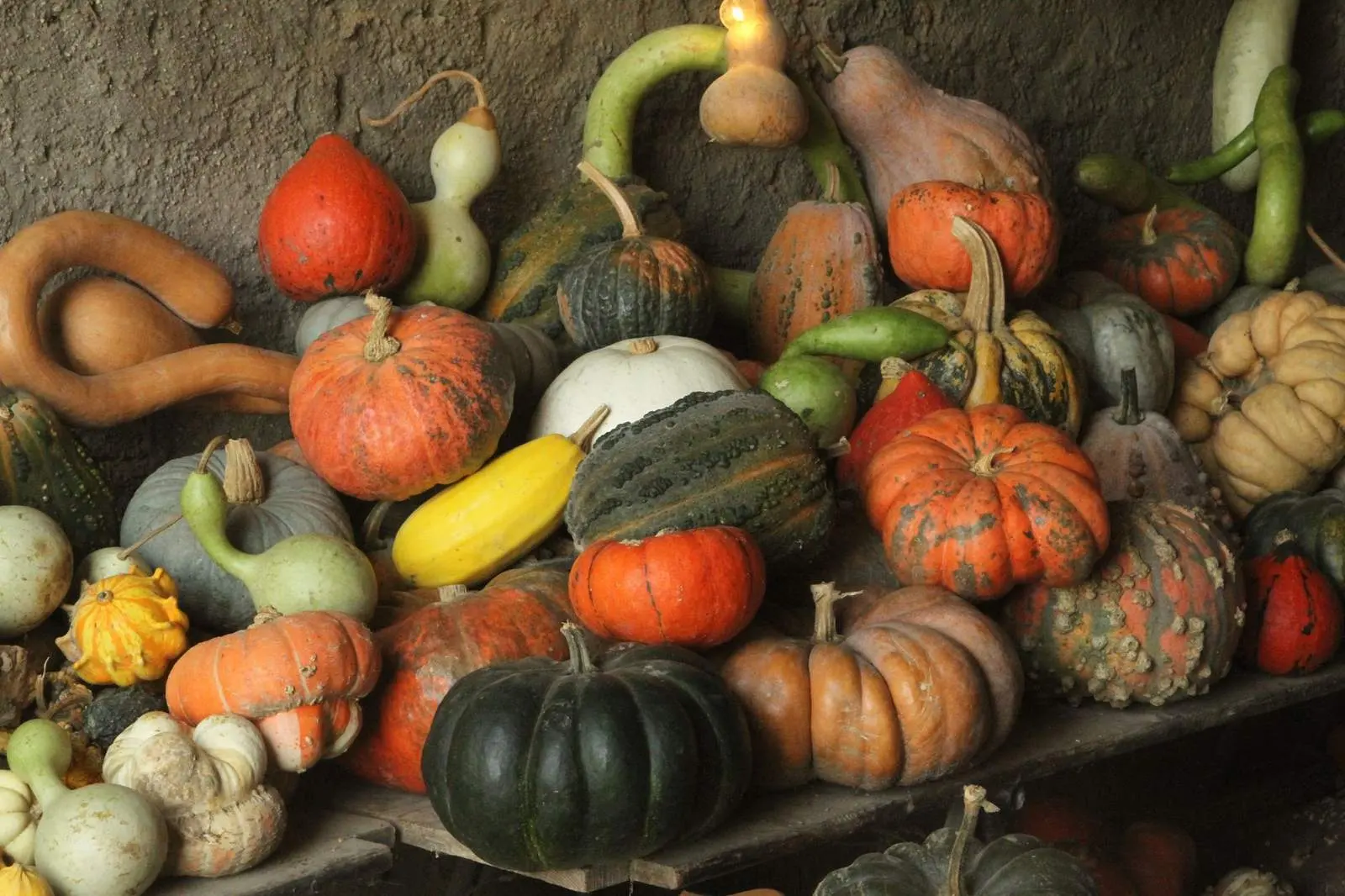
Every squash, pumpkin and gourd in this guide belongs to the genus Cucurbita. The Almanac splits winter squash into four species and gives examples of each:
- Cucurbita pepo: acorn, delicata, Connecticut field pumpkin and spaghetti squash.
- Cucurbita maxima: banana, buttercup, kabocha and hubbard squash.
- Cucurbita moschata: butternut, Long Island cheese pumpkin and futsu squash.
- Cucurbita argyrosperma: cushaw squash.
Counts differ by source. Wikipedia lists at least five domesticated species with winter-squash cultivars, adding C. ficifolia to the four above.
Knowing the species helps you predict a squash’s habits. Types from the same species tend to share traits such as rind, flesh and flavour, and they are the ones that cross with each other in the garden.
The geography is wide. Wikipedia says winter squashes are grown extensively in tropical America, Japan, Northern Italy and certain areas of the United States (source).
Winter squash types, one by one
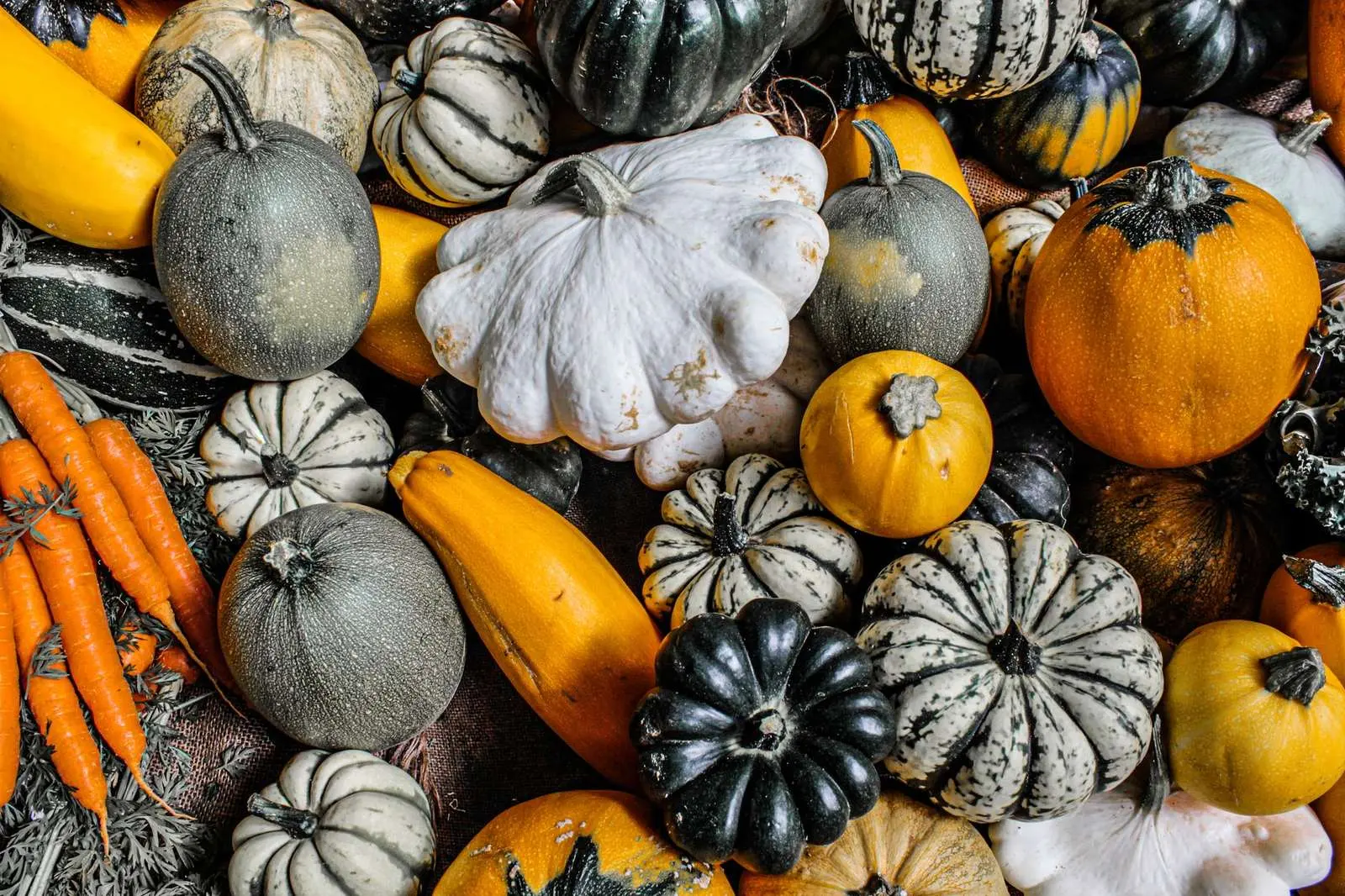
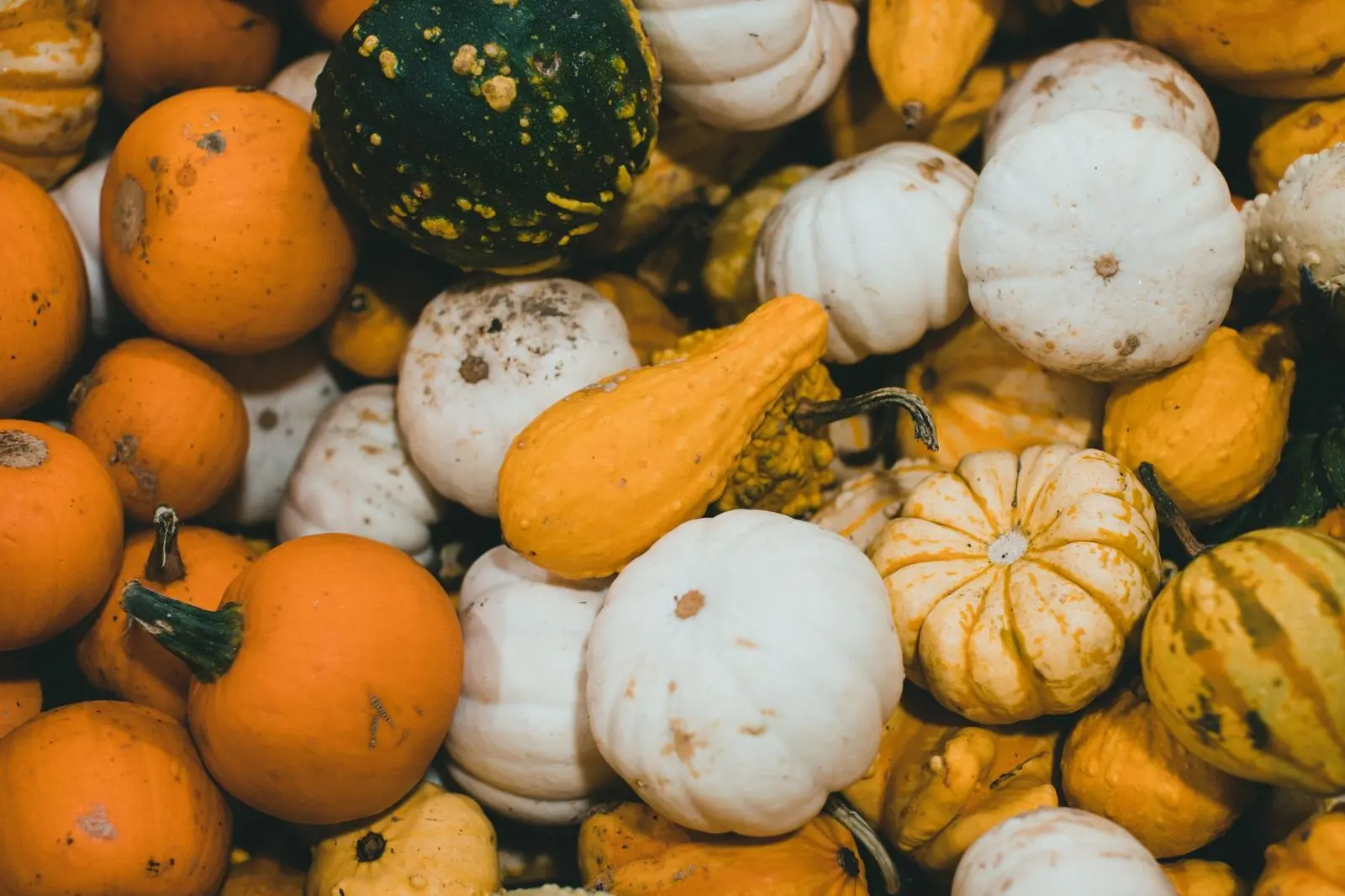
Illinois Extension names the most popular winter squash as acorn, buttercup, butternut, calabaza, delicata, Hubbard, spaghetti, sweet dumpling and Turk’s Turban (source). It adds that there are many varieties with a wide range of flavours and textures, and that the tough outer shells vary in colour and surface.
Delicata
Delicata is a cream-coloured cylinder with thin green stripes, and the Almanac calls it a sweet squash with a rich, creamy texture. The skin is thin and tender, so peeling is unnecessary, but the same thin skin means it does not keep well.
For a simple dish, cut it into rings and bake at 425°F for 20 to 25 minutes until golden brown and tender (Almanac).
Spaghetti squash
Spaghetti squash grows on sprawling vines and produces 4-6 pound squash that turn from a striped green and cream to solid yellow when mature, according to the Almanac. Its stringy flesh pulls out of the shell with a fork once cooked.
The method is covered in the guide on how to cook spaghetti squash.
Butternut and honeynut
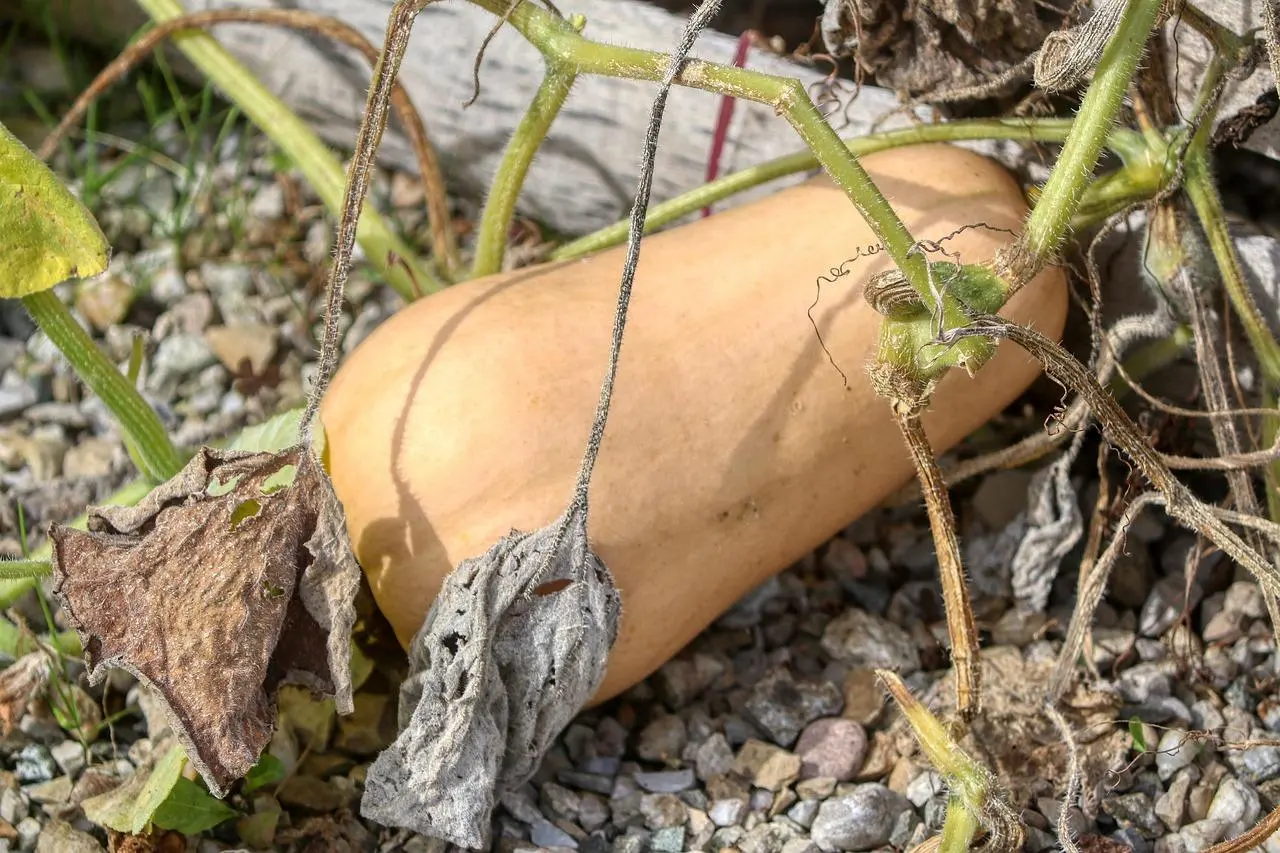
Butternut has beige skin and deep orange flesh, and the Almanac describes it as one of the more popular squash. Its ‘Waltham’ variety was an AAS winner from 1970, and ‘Honeynut’ is a newer, smaller butternut that produces more fruit per plant.
If you want to raise your own, read about how to grow butternut squash.
Acorn
Acorn is a Cucurbita pepo type, and Illinois Extension lists it at 80 to 100 days to harvest (source). It is a reliable choice for a first season because it follows the usual winter squash rhythm of spring planting and autumn harvest.
Hubbard, buttercup and kabocha
These sit in the Cucurbita maxima group, which the Almanac also uses for banana squash. Gardeners sometimes use blue Hubbard deliberately: Illinois Extension says squash bugs and squash vine borers prefer it, so it can act as a trap crop at the ends of a row or in garden corners (source).
Red kuri
A separate profile of red kuri squash covers that variety in detail.
Tetsukabuto
‘Tetsukabuto’ is a hybrid between moschata and maxima types. The Almanac author calls it very disease and pest resistant with incredibly sweet, creamy flesh, and notes that its vigorous vines are used as rootstock for grafting melons and cucumbers.
Calabaza
Calabaza is the name for a group of squash rather than one fixed variety. Wikipedia says the calabazas of the West Indies and the forms grown in Mexico and Central America are extremely variable in size, shape and colour.
Squash or pumpkin: does the name matter?
Mostly it does not. Illinois Extension says the distinction between squash and pumpkins is mainly a matter of what you choose to call them, and that some varieties are listed as pumpkins by certain seed companies (source).
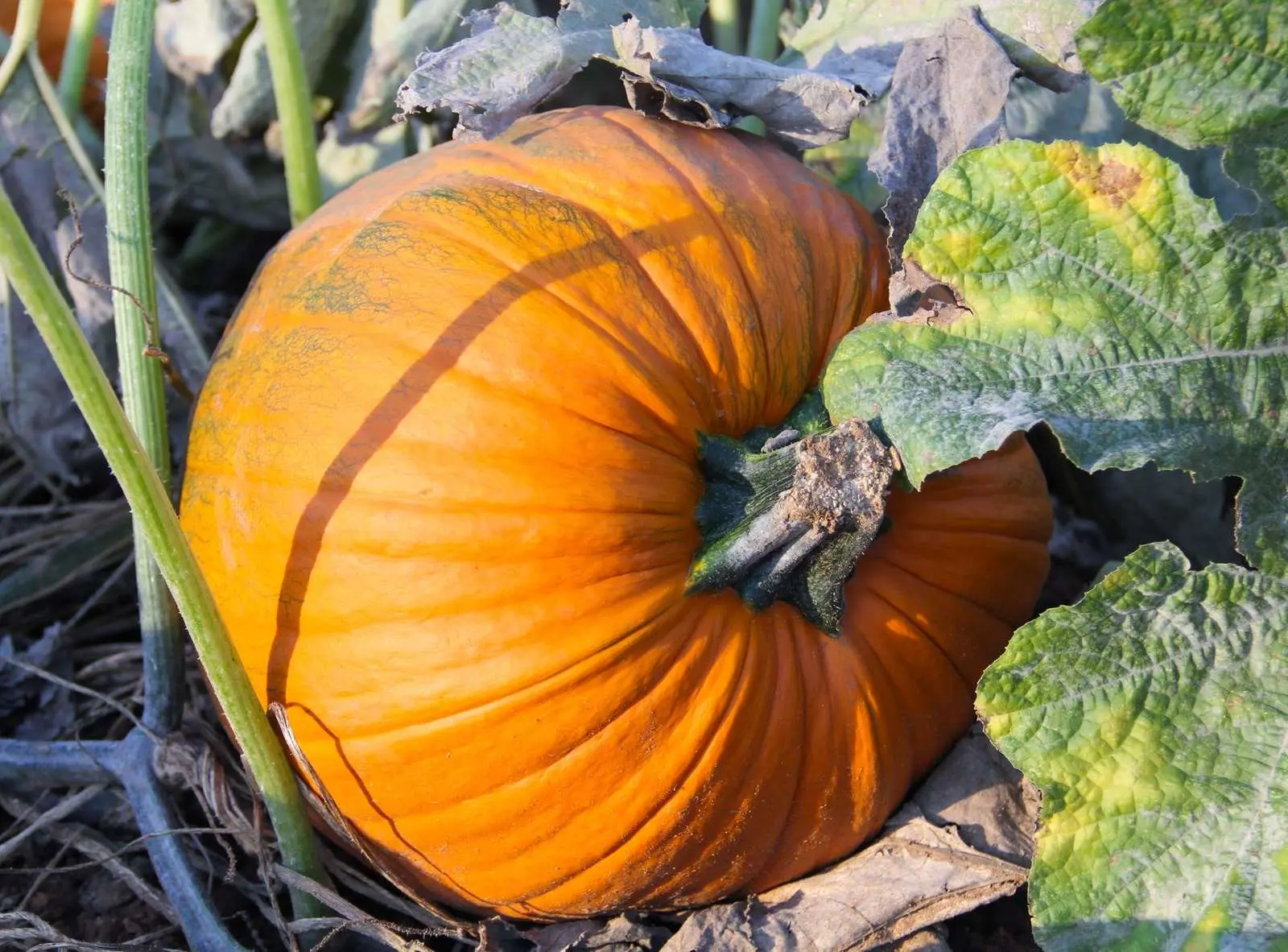
Wikipedia gives the common rule of thumb: winter squash cultivars that are round and orange are the ones called pumpkins. The guide on squash vs pumpkin goes through the naming in more depth.
Giant types are treated separately from the table squash above. Anyone aiming for a big carving or show fruit can start with how to grow pumpkins.
Growing, harvesting and storing the different types
The basic routine is shared across winter squash types, with spacing as the main difference between vining, semi-vining and bush plants. A short run-through:
- Wait for warmth. Illinois Extension says not to plant until all danger of frost has passed and the soil has warmed thoroughly, and Wikipedia puts the best germination at a soil temperature of 21 to 35 °C (70 to 95 °F).
- Give vines room. Vining types need at least 50 to 100 square feet per hill, with 5 to 6 feet between hills (Illinois Extension).
- Protect the bees. Bees are needed for pollination but are killed by insecticides, so timing of any spraying matters (Illinois Extension).
- Harvest at maturity. Pick when the fruit has a deep, solid colour and a hard rind, leaving two inches of stem if possible (Illinois Extension).
- Store cool and dry. The same source advises a dry building between 50 and 55°F, with fruit piled no more than two deep for prolonged storage.
Timing is the step most gardeners get wrong. Illinois Extension says the main crop comes in during September or October, before heavy frosts (source), and the guide on when to harvest winter squash covers the signs of ripeness.
After picking, fruit benefits from a hardening-off period, which is explained in how to cure winter squash. Longer-term advice sits in how to store winter squash.
Not every fruit is worth storing. Illinois Extension says fruit that is immature, injured, missing its stem or hit by heavy frost does not keep, so use it first or compost it.
Common problems
Pests differ by stage of the season. Illinois Extension lists cucumber beetles, which attack seedlings, vines and both immature and mature fruit; squash bugs, which build up through late summer; and the squash vine borer, which can make a plant wilt seemingly overnight (source).
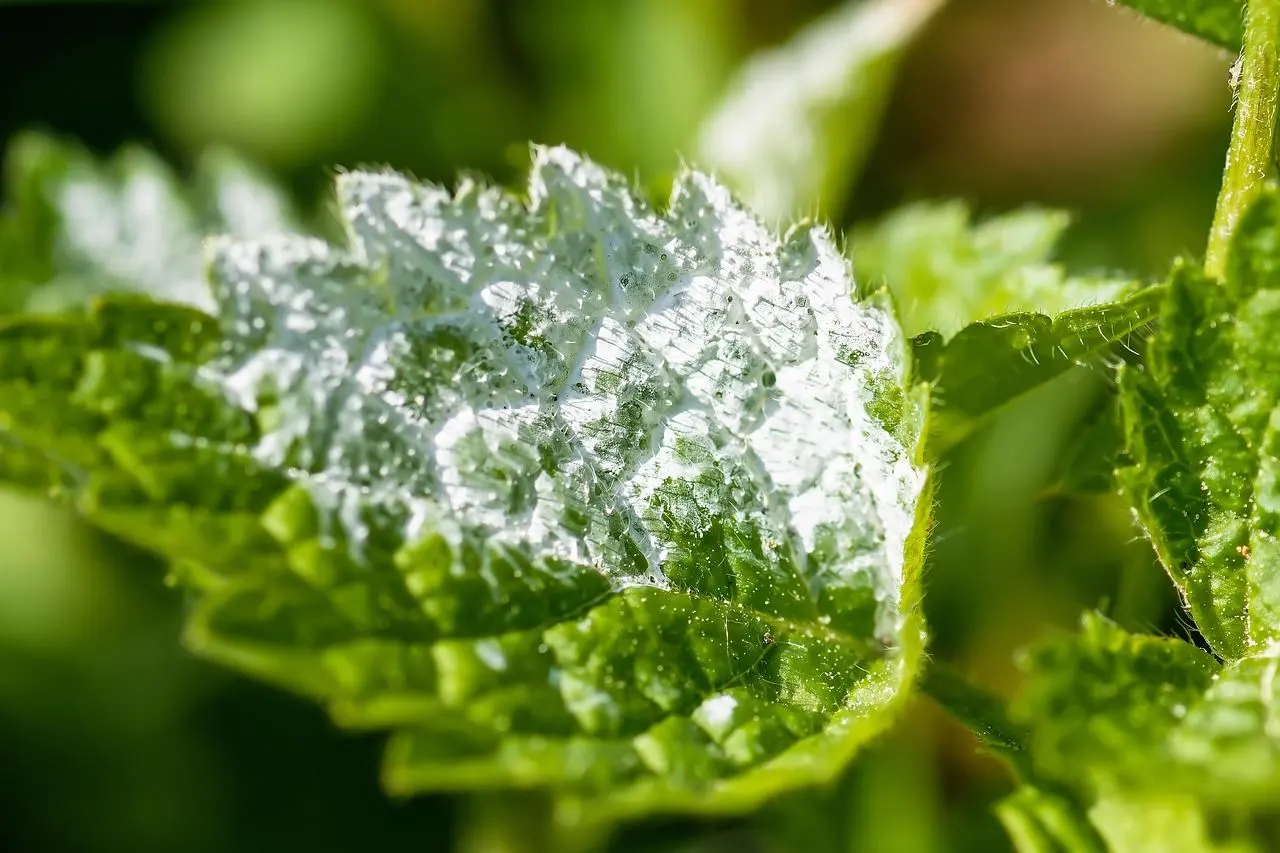
Leaf disease is a separate issue, and the guide to powdery mildew on squash explains how to recognise it.
Choosing a type for the kitchen
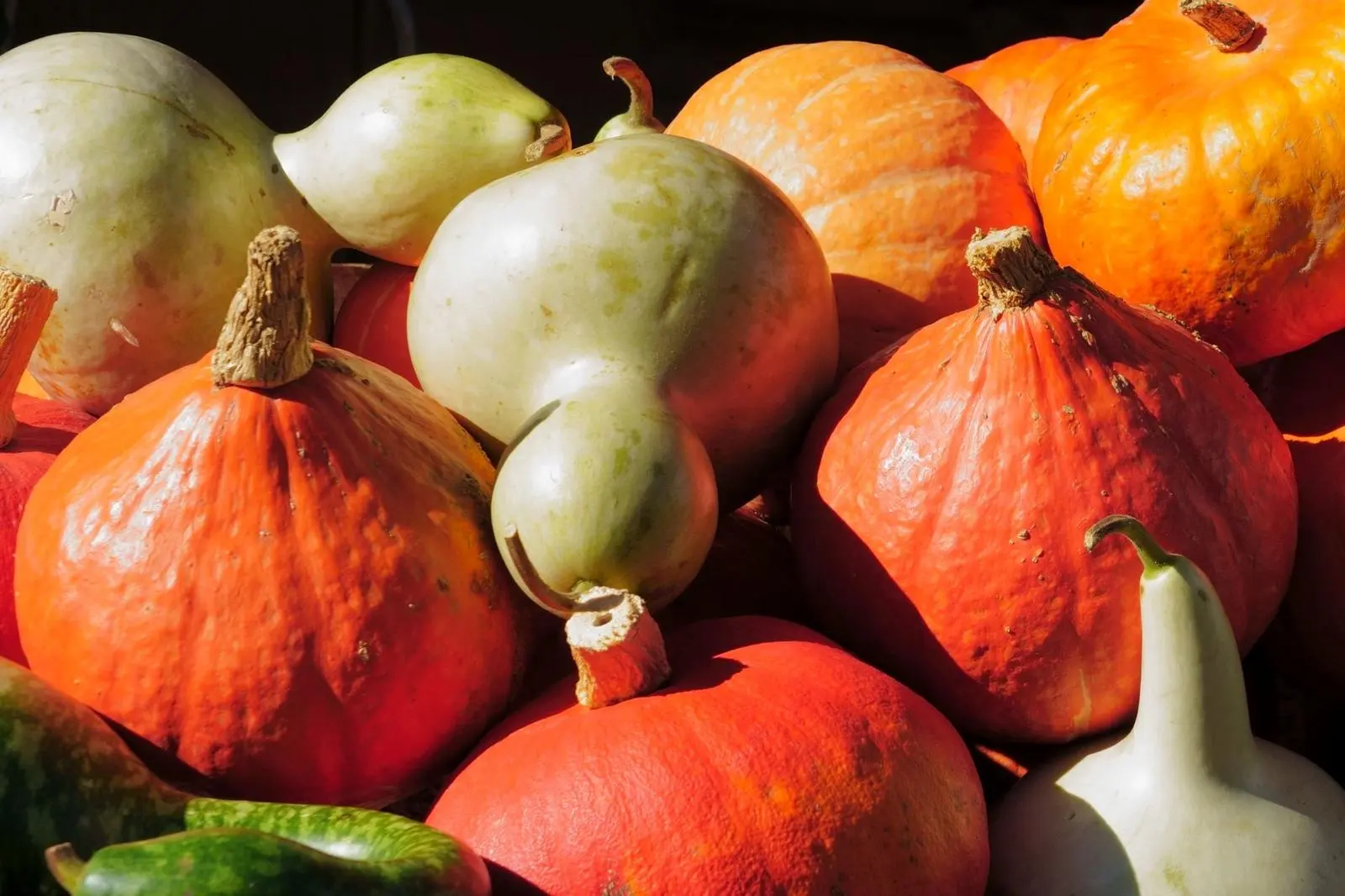
Wikipedia says winter squash is generally cooked before eating and that the rind is not usually eaten, with thin-skinned types such as delicata as the practical exception. Illinois Extension warns that immature fruit lacks flavour, so a hard rind is the sign to wait for (source).
On nutrition, Wikipedia reports that raw winter squash such as acorn or butternut is 90% water and supplies 34 calories in a 100 gram reference amount (source).
Here is a rough way to match a type to a dish:
- Roasting rings or wedges: delicata, which needs no peeling.
- Mashing and steaming: butternut, which the Almanac author favours for that job.
- Pasta-style strands: spaghetti squash.
- Small single portions: honeynut.
Squash is a natural fit for autumn tables alongside other seasonal vegetables. For ideas on building meals around the calendar, see seasonal cooking.
Frequently asked questions
Is a pumpkin a type of squash?
Show answer
Yes. Illinois Extension places pumpkins, summer squash and winter squash in the same Cucurbitaceae family (source). Usage varies by country, since in New Zealand and Australian English, “pumpkin” usually means the whole winter squash category (Wikipedia).
Which winter squash can you eat without peeling?
Show answer
Delicata is the usual answer, as its thin, tender skin softens when cooked. Thick-rinded types are different, because winter squash rind is not usually eaten.
Which type keeps the longest?
Show answer
The Almanac’s gardener rates ‘Tetsukabuto’ as the longest keeper, reporting fruit that lasted in storage until the next summer (source). Delicata sits at the other end, since its thin skin means it is best eaten soon after harvest.