Standing in front of a heavy squash and unsure what to do? Seasonal cooking is simpler than it looks: roast, simmer or puree it, then store the rest cool and dry.
| Item | Value |
|---|---|
| Curing before storage | 5-7 days at 80-85°F |
| Ideal storage conditions | 50-55°F with 50-70% relative humidity |
| Oven-baked pulp (halves) | 325°F for one hour or more |
| Boiling cubes before canning | 2 minutes |
| Pressure-canning time for pints | 55 minutes |
These figures come from OSU Extension’s guide to preserving pumpkins and winter squash and Clemson’s HGIC factsheet. They can change, so check the source before you rely on them.
Why squash anchors seasonal cooking in autumn
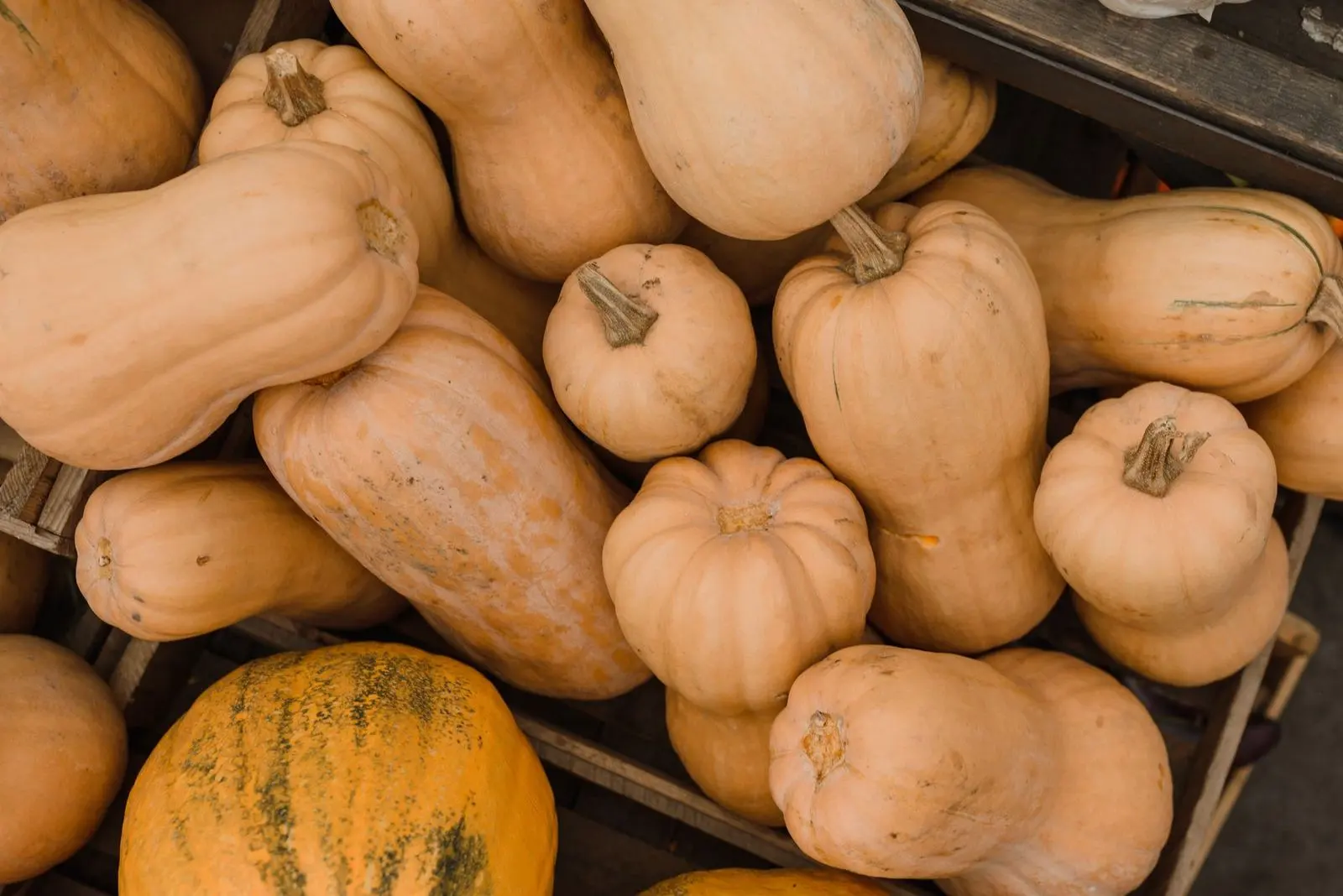
Squash is the vegetable most cooks reach for when the weather cools. WSU Extension in Skagit County says pumpkins, acorn, butternut, Hubbard and delicata might better be called fall squash, because that is when they are harvested and generally best-tasting.
The range is wide. NDSU Extension lists acorn, buttercup, butternut, delicata, Hubbard and spaghetti squash among the many types of winter squash available. The guide to types of squash compares the main varieties in more detail.
Unlike summer squash, winter squash has a tough, hard skin, and WSU says it is easier to cook with the skins on. That is why so many of the methods below start with halving or wedging a squash instead of peeling it raw.
On nutrition, NDSU describes winter squash as a nutrient-rich food and an excellent source of fiber. It adds that orange-fleshed squash is high in beta-carotene and provides the mineral potassium.
Squash is only part of the picture. The guide to seasonal vegetables covers the wider autumn and winter produce you can cook with the same techniques.
Choosing and storing squash so it keeps
Good cooking starts with good raw material. OSU Extension gives these markers of quality:
- The squash is mature, firm and bright-colored, with a hard rind.
- The rind is hard enough to resist fingernail scratches, which is the sign a winter squash is ready to harvest.
- The hard stem stays attached to the fruit when it is cut from the vine.
Many squash benefit from a short curing period. OSU describes 5-7 days at 80-85°F with good air flow, after which the squash can move to cooler temperatures for long-term storage.
For long keeping, OSU lists 50-55°F with 50-70% relative humidity as ideal. It warns that pumpkins and squash deteriorate rapidly if stored below 50°F.
How long a squash lasts depends on the variety. WSU Extension says acorn will typically last 2-3 months, while others often keep for more than 6 months.
Fruit can work against your squash. OSU says apples and pears give off ethylene gas as they ripen, which causes yellowing of the squash and shortens the storage life, so keep them apart in a root cellar.
Once a squash is cut, the rules change, and NDSU says to refrigerate cut squash straight away. Use the whole squash first if you can, and keep the cut halves for soup or puree.
How do you roast squash and root vegetables?
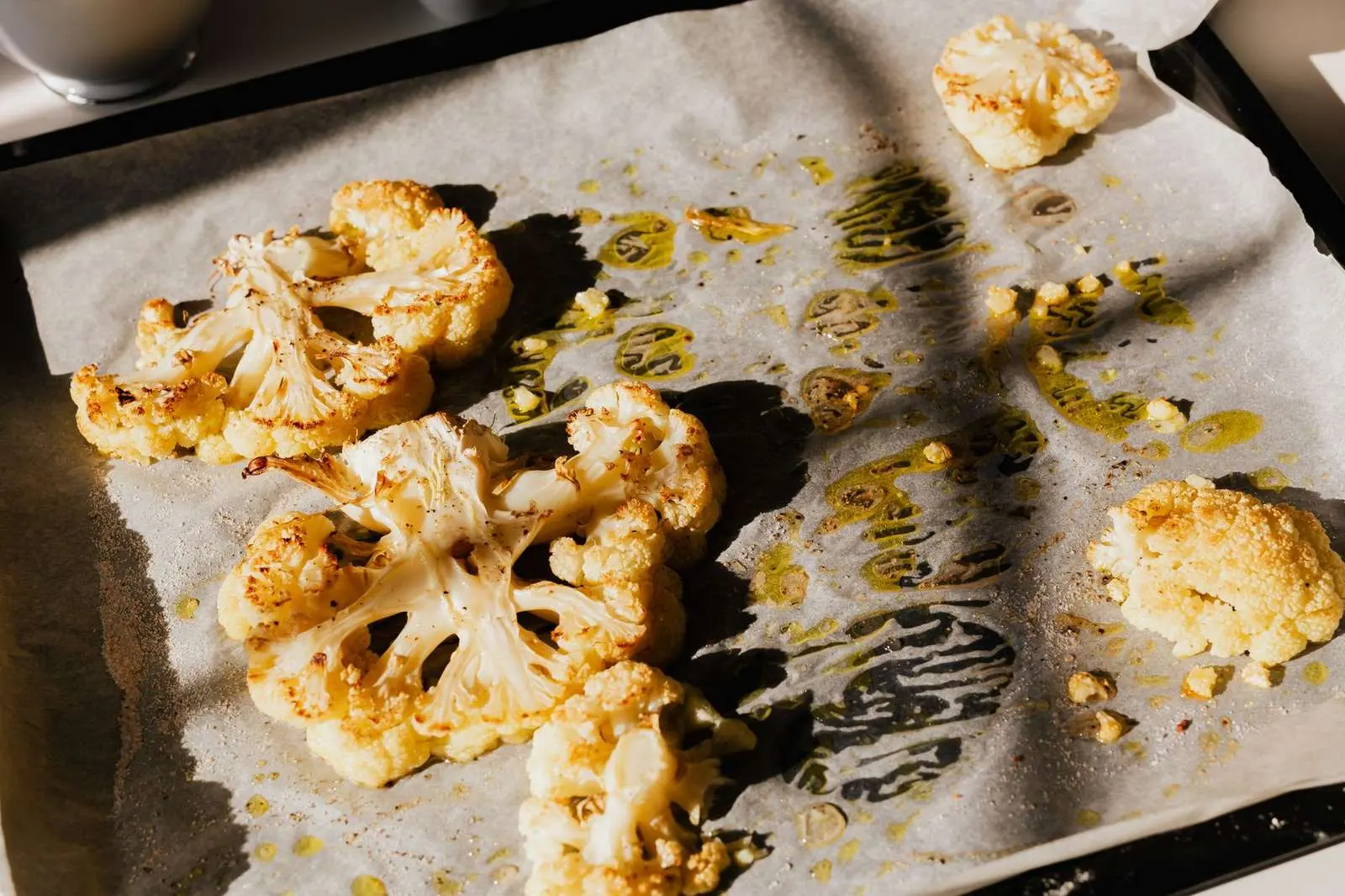
Roasting is the easiest route for hard winter squash. NDSU Extension says a medium squash takes about an hour to bake whole at 350 F, and tender sooner at 400 F. It advises poking several holes in the clean squash and baking it uncovered.
For wedges, NDSU’s roasted squash recipe cuts chunks about 1½ inches thick, coats them with oil and a little honey or maple syrup, and bakes at 350 F for 25 to 35 minutes. The squash should be tender but slightly firm so the wedges keep their shape, and a sharp knife is the doneness test.
If you want soft pulp instead of wedges, Clemson HGIC places the halves in a pan, shell side up. They bake at 325°F for one hour or more, until the flesh is tender and begins to fall apart.
Timing varies a great deal. OSU notes that different varieties of squash have widely different cooking times, so trust a knife rather than the clock.
The step-by-step guide on how to roast squash covers the method from the first cut. The page on roasted root vegetables applies the same test-for-tenderness habit to the rest of the autumn tray.
Simmering and pureeing: soups and smooth purees
Squash softens in liquid as readily as in an oven. NDSU says it can be prepared by cooking in water, baking or microwaving, so the method can follow your kitchen and your schedule.
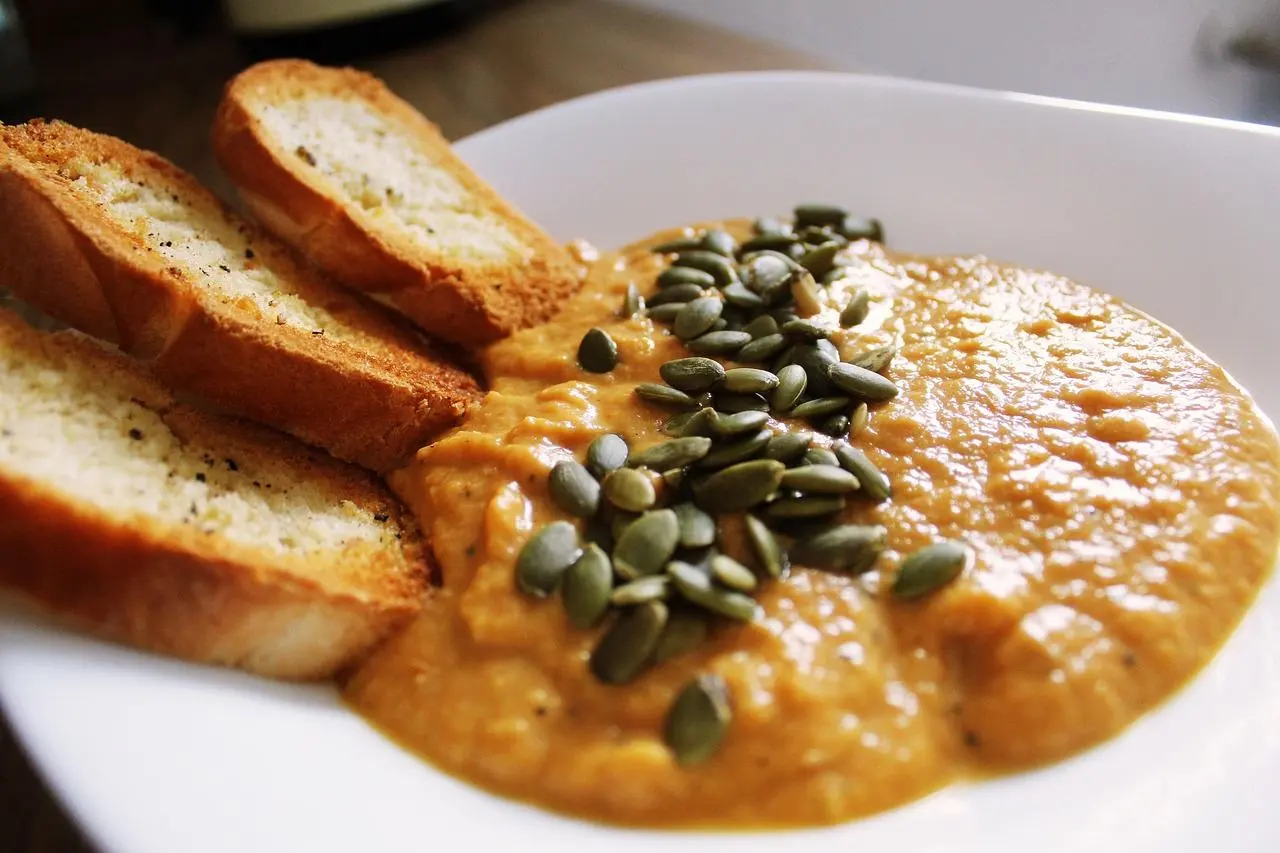
NDSU’s creamy squash soup starts by sautéing onions in butter until tender. After the squash and broth go in, the pot comes to a boil and cooks for 20 minutes or until the squash is tender, before the mixture is pureed.
Its Mexican-style soup takes a rougher route. The squash simmers for 30 minutes, then gets mashed to a chunky puree with a potato masher or the back of a spoon.
Full versions are in the pumpkin soup recipe and the butternut squash soup guide.
For a smooth puree, Clemson HGIC scrapes the cooked flesh from the shell and processes it in a blender, food processor or food mill. The walkthrough on how to make pumpkin puree shows the process with more detail on texture.
Preserving the harvest: freezing, blanching, drying and canning
Freezing is the simplest way to keep cooked squash. OSU Extension gives this sequence for pureed pumpkin or winter squash:
- Wash the squash, remove the seeds and cut it into pieces suited to your cooking method.
- Cook until soft in boiling water, a steamer, a pressure cooker, or baked in an oven or microwave.
- Remove the soft pulp from the rind and mash it.
- Cool the pan of puree in cold water, stirring occasionally.
- Package, seal, label and freeze.
Sources differ on how much room to leave in the container. Clemson HGIC leaves ½-inch headspace, while WSU Extension allows at least 1-inch headspace for expansion. The guide on how to freeze squash goes through packing in practice.
For drying, WSU lists a pretreatment of none, or a water blanch of 1 minute or a steam blanch of 2-3 minutes. The page on how to blanch vegetables explains the technique more broadly.
WSU Extension then dries the strips at 140°F until tough to brittle, approximately 10-16 hours. OSU Extension cautions that dried pumpkin stored longer than 1-2 months at room temperature can develop an undesirable flavor.
Canning is the strictest method. WSU says pumpkins and winter squash are low-acid foods, so pressure canning is necessary to prevent the growth of botulinum bacteria.
Texture matters here. OSU says safe processing times have not been determined for mashed or pureed squash because of the high density of the product, so only cubes are canned.
For cubes, OSU Extension cuts 1-inch cubes and boils them for 2 minutes. Clemson HGIC then processes pints for 55 minutes and quarts for 90 minutes. Pressure depends on gauge type and altitude, so follow the full tables in the source before you start.
Don’t discard the seeds
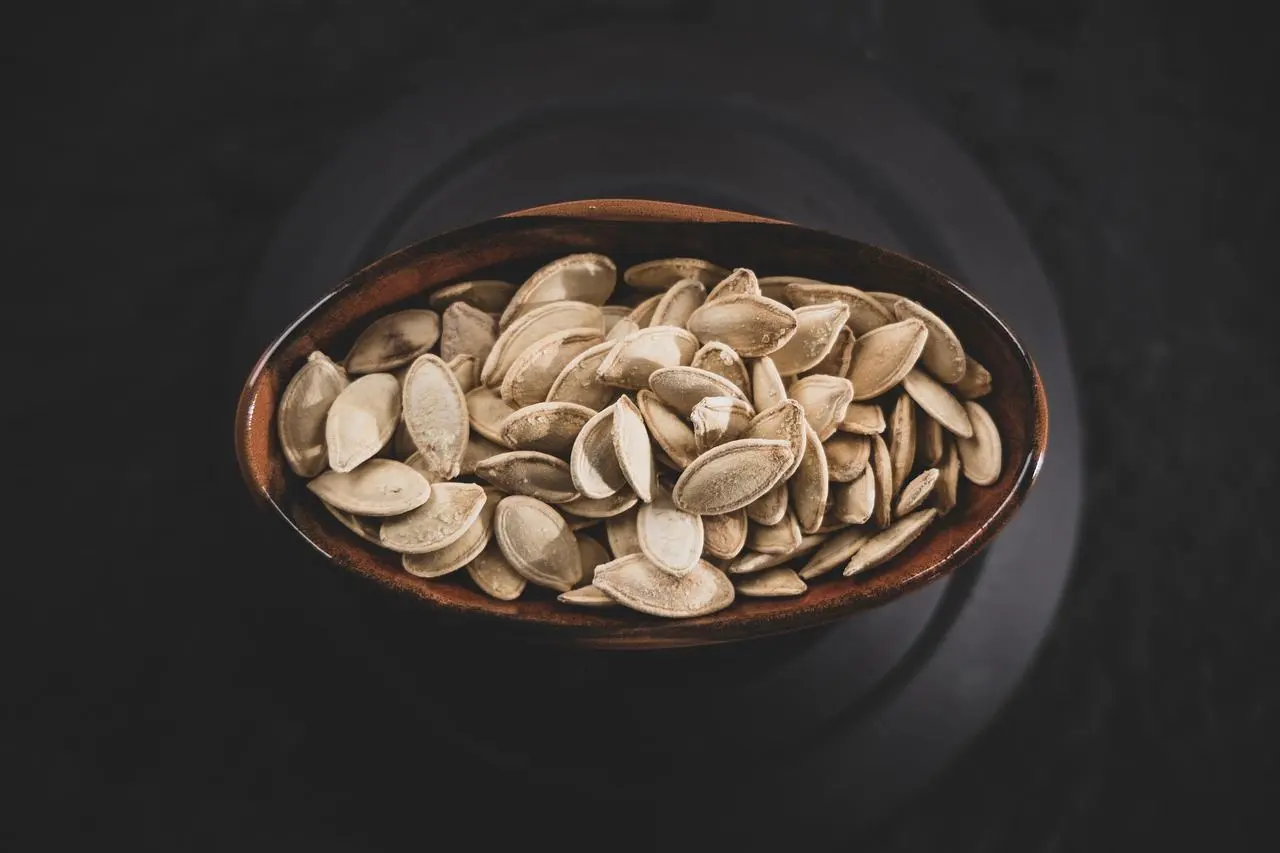
OSU explains that drying and roasting are two different processes. Drying the seeds before roasting allows for more even roasting and creates a better final product.
Clemson HGIC says to wash the seeds well, then dry them in the sun, in a dehydrator at 115-120°F for 1 to 2 hours, or in an oven on warm for 3 to 4 hours. Stir frequently to avoid scorching.
To roast, toss the dried seeds with oil and or salt and roast in a preheated oven at 250°F for 10 to 15 minutes. The page on how to roast pumpkin seeds gives the full method.
Frequently asked questions
Which pumpkins are best for cooking?
Show answer
Choose small pumpkins. Clemson HGIC says the sugar or pie varieties make better-finished products than the large decorative kind.
Can I can pumpkin puree at home?
Show answer
No. Clemson HGIC says you can freeze the pulp for later, but the pureed pulp cannot be safely canned; use cubes if you want to can.
Can spaghetti squash be canned?
Show answer
It should be frozen instead. According to Clemson HGIC, it will not stay cubed when cooked, so it is not suited to canning.
How long does cut squash keep in the refrigerator?
Show answer
WSU Extension in Skagit County gives up to 1 week, wrapped in plastic wrap or a vapor-proof container (source). Whole, uncut squash keeps far longer in a cool, dry place.