Wondering how to make pumpkin puree from a fresh pumpkin? Halve a small pie pumpkin, remove the seeds, cook it until tender, then mash or blend the flesh until smooth. A hand masher is enough.
This guide is part of the seasonal cooking section of the site, which collects practical kitchen guides for squash and pumpkins.
| Item | Value |
|---|---|
| Pumpkin size for puree | 4-8 pounds |
| Oven roasting | 45 to 60 minutes at 375°F |
| Stovetop simmer (cubed) | 25-30 minutes |
| Microwave | seven minutes per pound |
| Refrigerator storage | up to three days |
| Freezer storage | up to six months |
The figures come from Illinois Extension and the Farmers’ Almanac. Times and storage limits can change between sources, so check the source before you rely on them.
Which pumpkin makes the best puree?
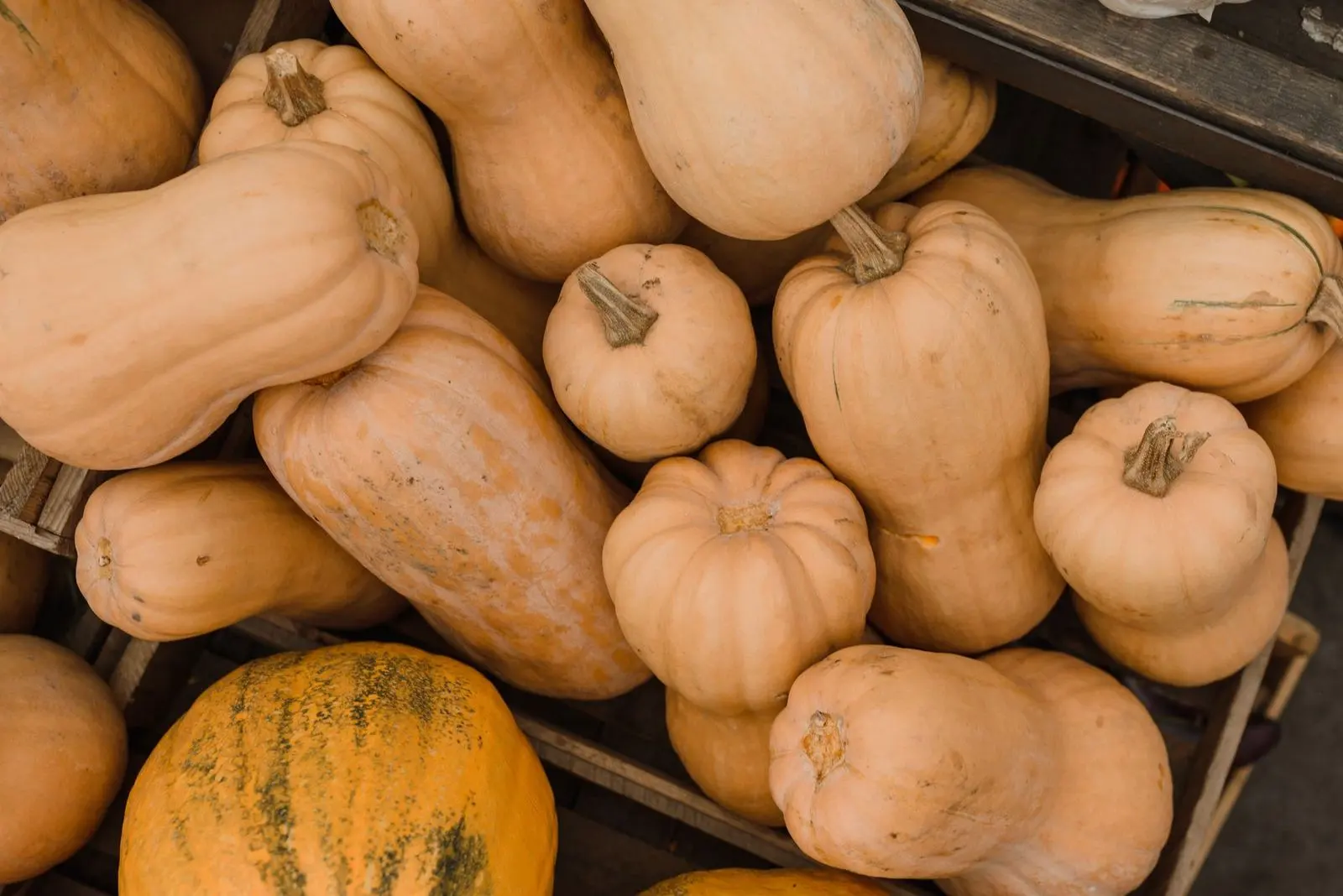
Choose a processing pumpkin, sold as a pie or sweet pumpkin. Illinois Extension says these are sweeter, more flavorful, less watery and less grainy than ornamental pumpkins, and recommends one between 4-8 pounds. The Farmers’ Almanac suggests about 4 to 6 pounds.
Illinois Extension’s buying checklist is short:
- The pumpkin seems heavy for its size.
- It is firm, unblemished and free of soft spots, nicks, cuts or cracks.
- It still has its stem, especially if you will not cook it right away.
A carving pumpkin can still be cooked, but Illinois Extension warns that it will be less flavorful, watery and often stringy. If you have butternut squash instead, Homestead and Chill notes that pumpkin and butternut can be used interchangeably in recipes.
Roasting pumpkin in the oven
Roasting is the simplest route because the oven does most of the work. These steps follow the Farmers’ Almanac method:
- Heat the oven.
- Rinse the pumpkin, cut it in half through the stem, and scoop out the seeds and strings.
- Set the halves cut-side down on a parchment-lined baking sheet.
- Roast until a knife pierces the skin and flesh easily.
- Let the pumpkin cool until you can handle it, then scoop the soft flesh into a food processor or blender and blend until smooth.
The Almanac’s settings are 375°F and 45 to 60 minutes of roasting, followed by about 15 minutes of cooling (source). A Clemson extension factsheet bakes at 325 °F for one hour or more instead, so judge doneness by tenderness rather than by the clock.
The food blog Homestead and Chill prefers 400°F or higher, because browning turns earthy flavors sweeter and nuttier. It also pokes the skin in a few places with a sharp knife, so steam can reach between the flesh and the skin. You can find more oven technique in the guide on how to roast squash.
Stovetop and microwave methods
If you would rather not heat the oven, boiling works. Illinois Extension cuts the pumpkin into uniform 1-inch cubes, covers them with water, brings them to a boil, then simmers for 25-30 minutes until tender. Stir now and then to prevent scorching, then drain and cool; the skin should skip right off.
The microwave method starts with the halves face down in a shallow microwave-safe dish, covered tightly. Illinois Extension says to cook on high for seven minutes per pound of pumpkin and repeat until tender (source). When you take off the wrap, pull the edge furthest from you back toward you so the hot steam escapes away from you.
How do you get a smooth, thick texture?
Once the flesh is soft, mash it with a hand masher, mixer, potato ricer or food processor. For a silkier texture, Illinois Extension suggests pressing the puree through a sieve.
If the puree looks watery, the Farmers’ Almanac transfers it to a fine-mesh strainer lined with cheesecloth. It then lets it drain over a bowl for an hour.
Storing and freezing fresh puree
Illinois Extension says fresh puree keeps in the refrigerator for up to three days and in the freezer for up to six months (source). The Farmers’ Almanac is more generous, at 6 to 12 months frozen and 1 week refrigerated, so the shorter window is the safer guide.
The Almanac’s freezing routine runs like this:
- Cool the puree completely, because hot puree expands and can crack containers.
- Portion it into freezer bags or rigid containers.
- Press bags flat to remove air, then lay them flat in the freezer.
- Write the date and amount on each container.
- Thaw overnight in the fridge before using.
For portions, the Almanac suggests 1-cup measures for general baking, or 15-ounce portions, the size of a standard can, for direct swaps in recipes (source). It also estimates that a 4-pound sugar pumpkin yields about 4 cups of puree.
Ways to use your puree
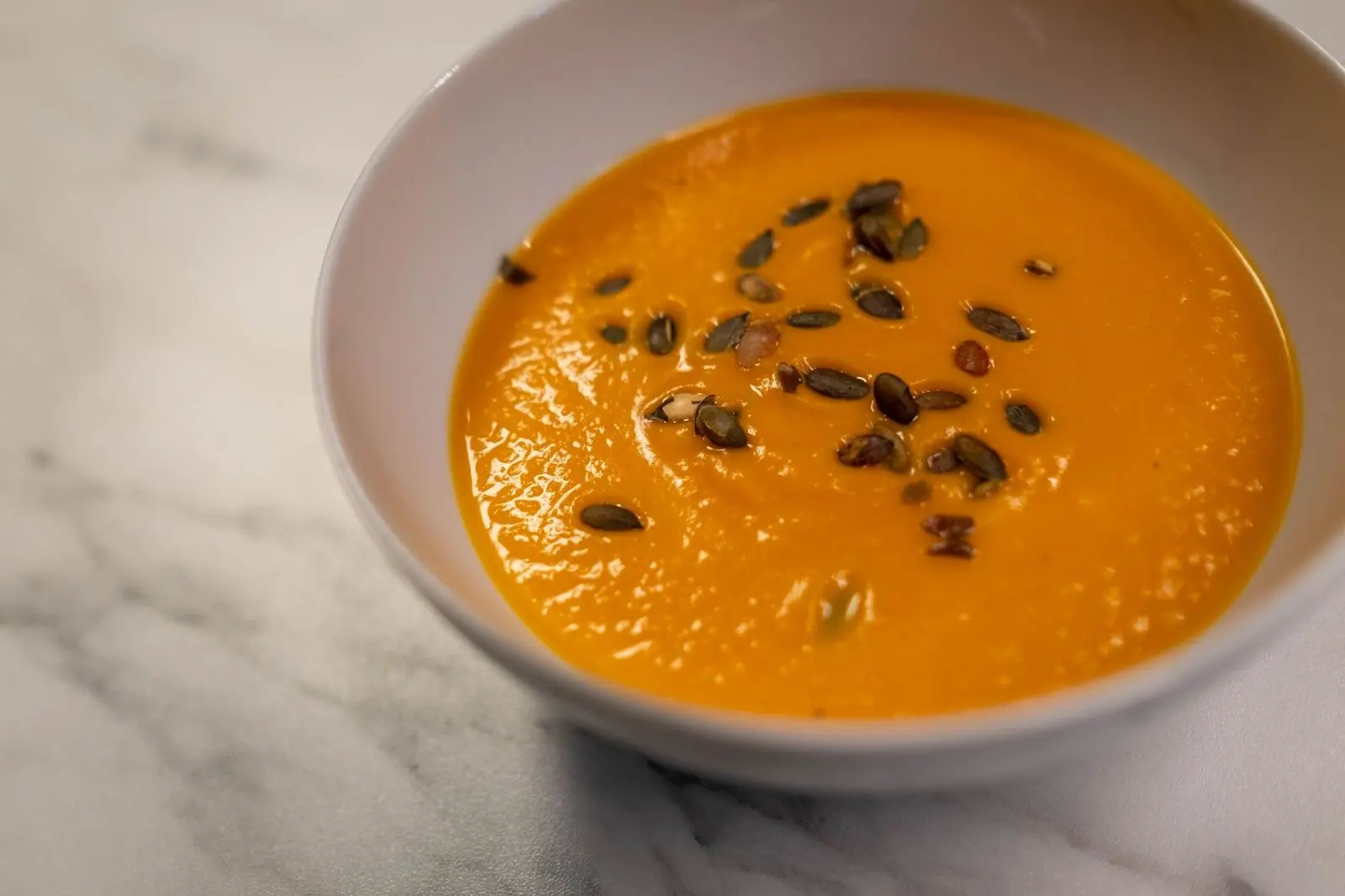
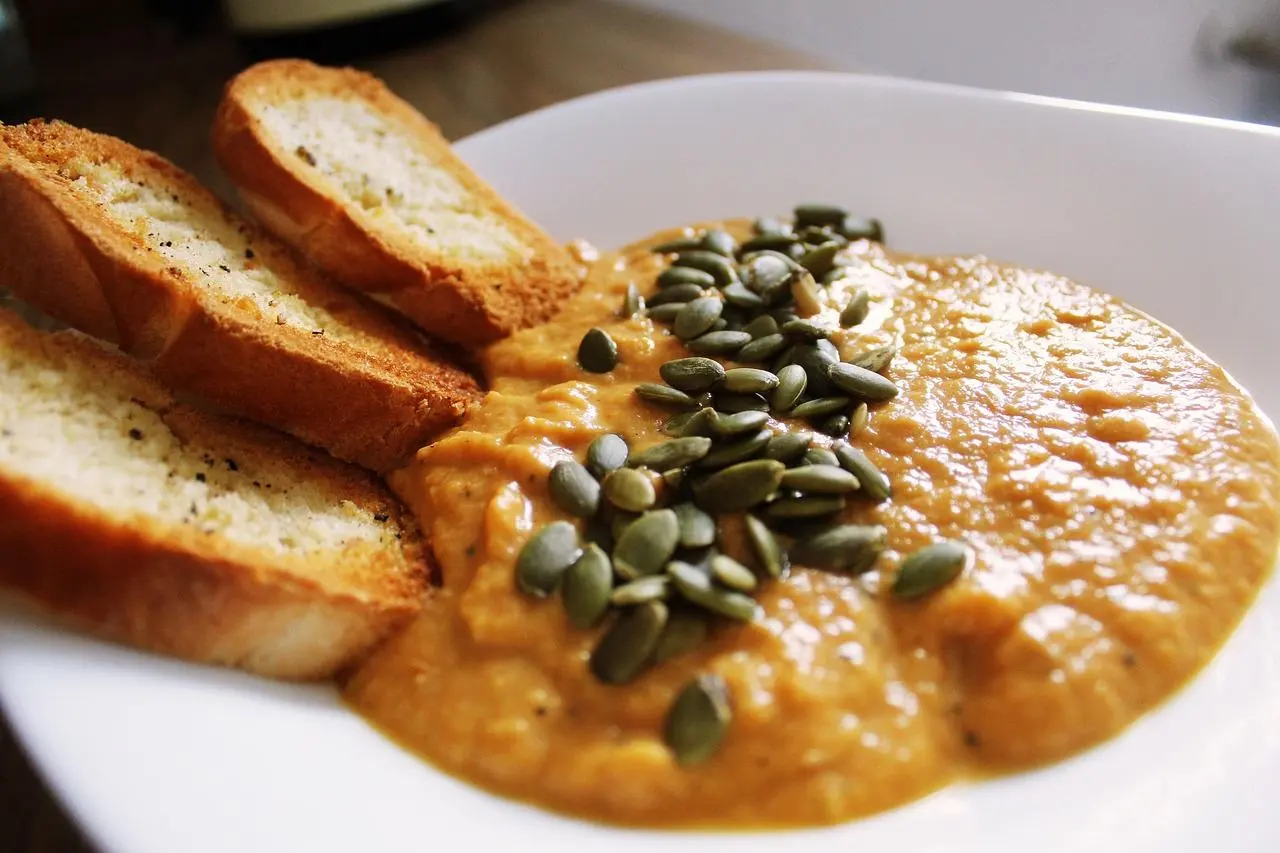
Thawed puree slots directly into any recipe that calls for canned pumpkin, according to the Farmers’ Almanac. Beyond baking, it also thickens soups, enriches risotto and lightens a tomato sauce for pasta.
A simple savory place to start is the pumpkin soup recipe, which puts a batch of cooked pumpkin to work.
Frequently asked questions
Can I freeze raw pumpkin instead of making puree first?
Show answer
The Farmers’ Almanac calls it possible but not recommended. Raw pumpkin gets watery and stringy after thawing, whereas cooking it first concentrates the flavor.
Can I can pumpkin puree at home?
Show answer
A Clemson extension factsheet says the pureed pulp cannot be safely canned, although it may be frozen. For canning, it advises using only cubed pumpkin or winter squash.
Is pumpkin pie filling the same as puree?
Show answer
No. Homestead and Chill points out that pie filling has added sugar and spices, which limits what you can cook with it. When buying canned puree, Illinois Extension advises looking for 100% pumpkin puree with no added salt or sugar.
What can I do with the seeds?
Show answer
Set them aside while you scoop the pumpkin. The Farmers’ Almanac says they roast well with salt and oil.