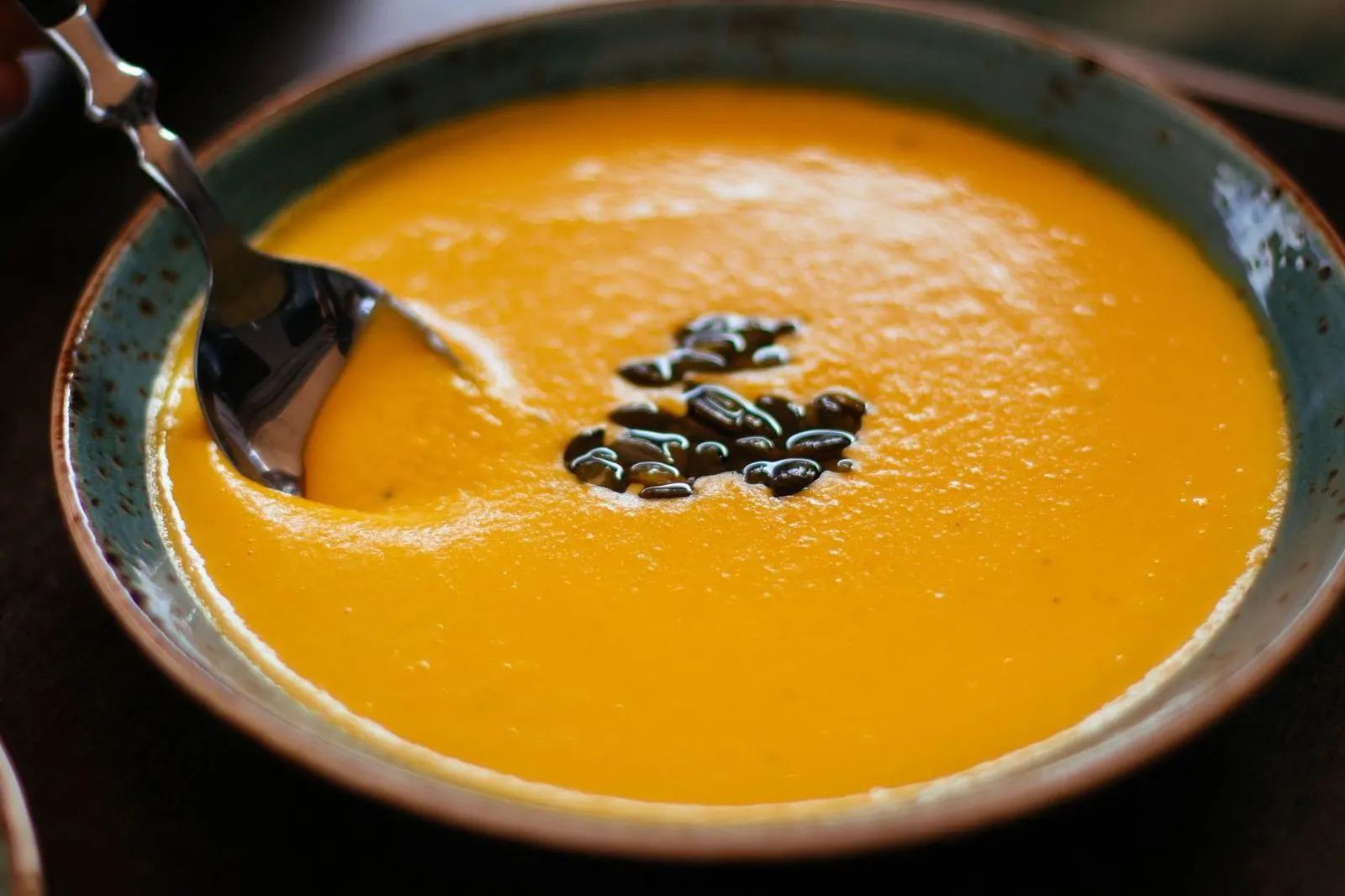
Got a pumpkin on the counter and want something warm for dinner? This pumpkin soup recipe is simple: roast the pumpkin whole, scoop it out, then simmer the purée with onion, garlic and stock until smooth.
This soup sits within the wider seasonal cooking guides on this site.
| Item | Value |
|---|---|
| Oven temperature for roasting a whole pumpkin | 350°F |
| Roasting time for a whole pumpkin | about 1 hour |
| Fridge life of fresh pumpkin purée | three to four days |
| Storage of whole pumpkins | up to 6 months at 50 to 55°F |
| Home canning of mashed or puréed pumpkin | USDA directions withdrawn in 1989 |
These figures come from University of Illinois Extension. Guidance can change, so check the source before you rely on the numbers.
What goes into a simple pumpkin soup?
A good pot needs very little. The core list is short, and every item is easy to find in autumn.
- Cooked pumpkin flesh, mashed or blended into a purée
- An onion and a clove of garlic, softened in butter or oil
- Vegetable or chicken stock to thin the purée
- Salt and pepper, plus a pinch of nutmeg or cinnamon if you like warm spice
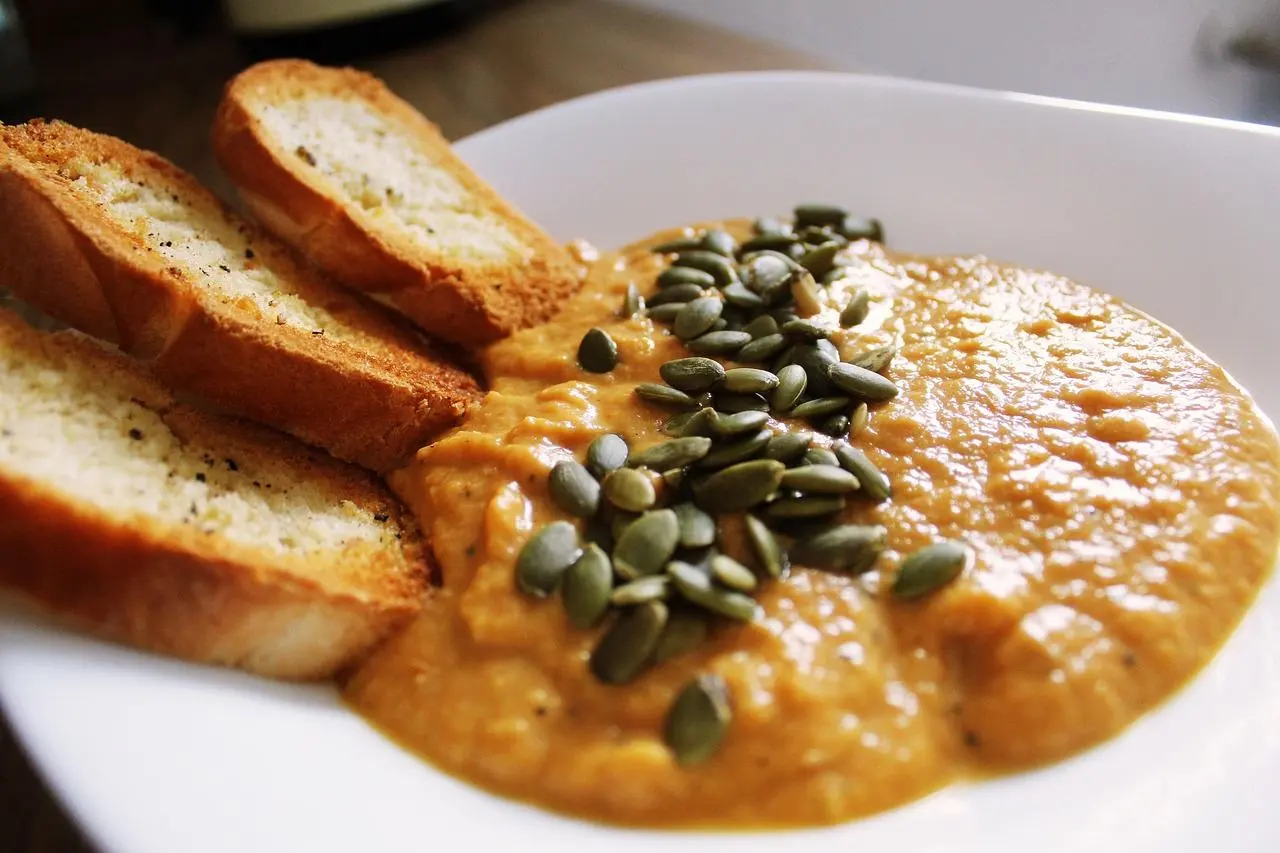
- Toasted pumpkin seeds, cream or a spoon of yoghurt to finish
No fixed measures are given here, because the sources behind this page cover pumpkin handling rather than soup ratios. Start with plenty of purée, add stock a little at a time and stop when the soup pours the way you like.
Cooked pumpkin is a flexible base. Illinois Extension says the cooked flesh can be used whenever pumpkin purée is called for, including pie, soup and bread.
Choosing and preparing the pumpkin
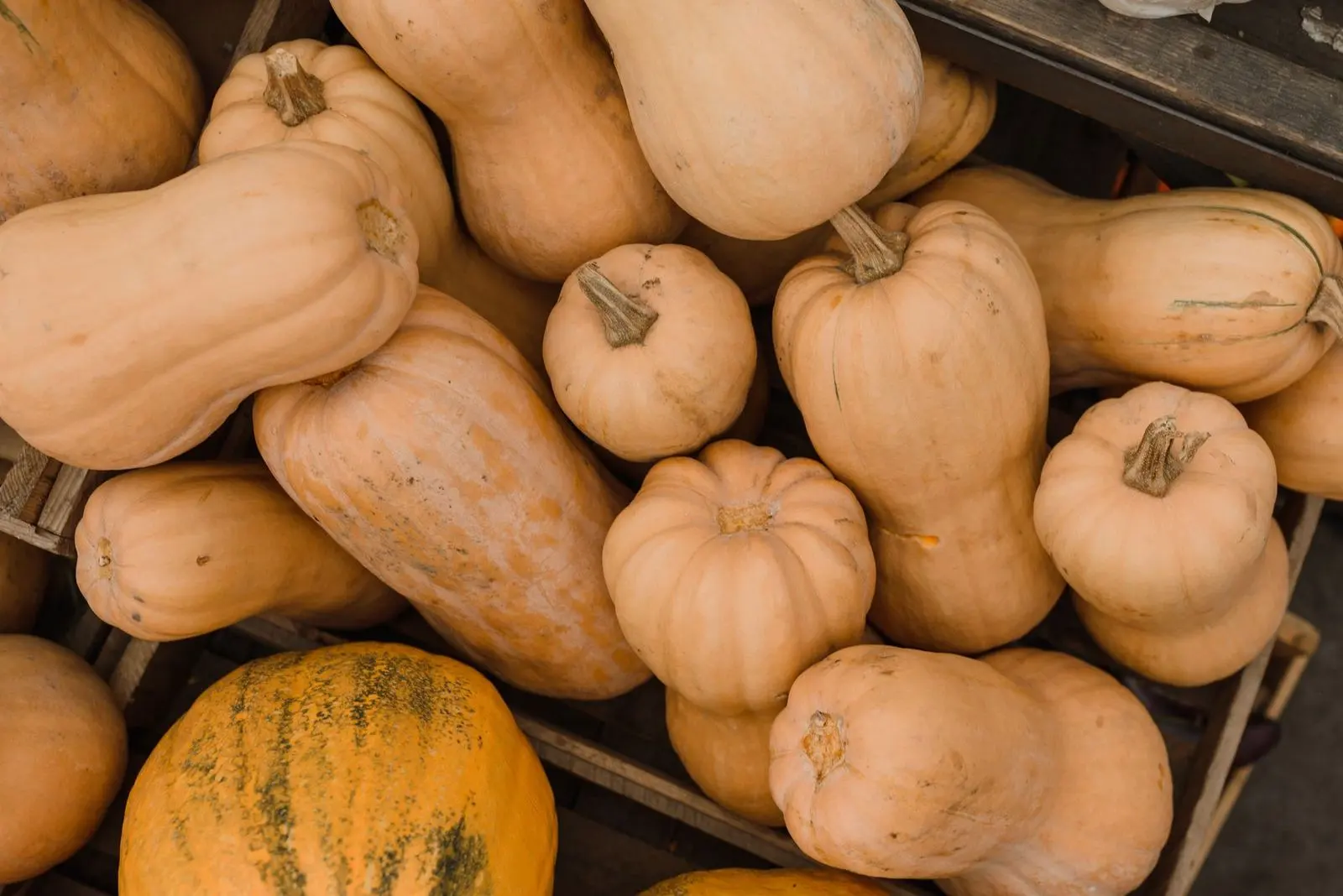
Pick a smaller sugar or pie pumpkin rather than a large carving type. The National Center for Home Food Preservation warns that larger varieties tend to give watery, stringy flesh.
Before you cut anything, check the rind for soft spots or bruising, which point to spoilage. Then wash the outside under cool running water, because cutting can carry bacteria from the skin into the flesh, as Illinois Extension explains.
Raw pumpkin is hard to cut safely. A simple workaround is to prick the whole pumpkin and bake it at 350°F for about 1 hour, according to Illinois Extension. Once it is soft and cool, halve it, scoop out the seeds and stringy pith, then spoon the flesh from the skin.
If you grew or bought a pumpkin ahead of time, the same source says whole pumpkins keep for up to 6 months at 50 to 55°F in 50 to 70% relative humidity. They deteriorate quickly below 50°F, and they should stay away from apples and pears, which give off ethylene gas that yellows squash and shortens storage life.
Prefer a different squash? The guide to butternut squash soup covers that route.
Step-by-step method
Once the pumpkin is roasted, the soup itself takes only a single pot and a blender. Fresh purée is also a handy base, and the guide on how to make pumpkin puree goes further into that step.
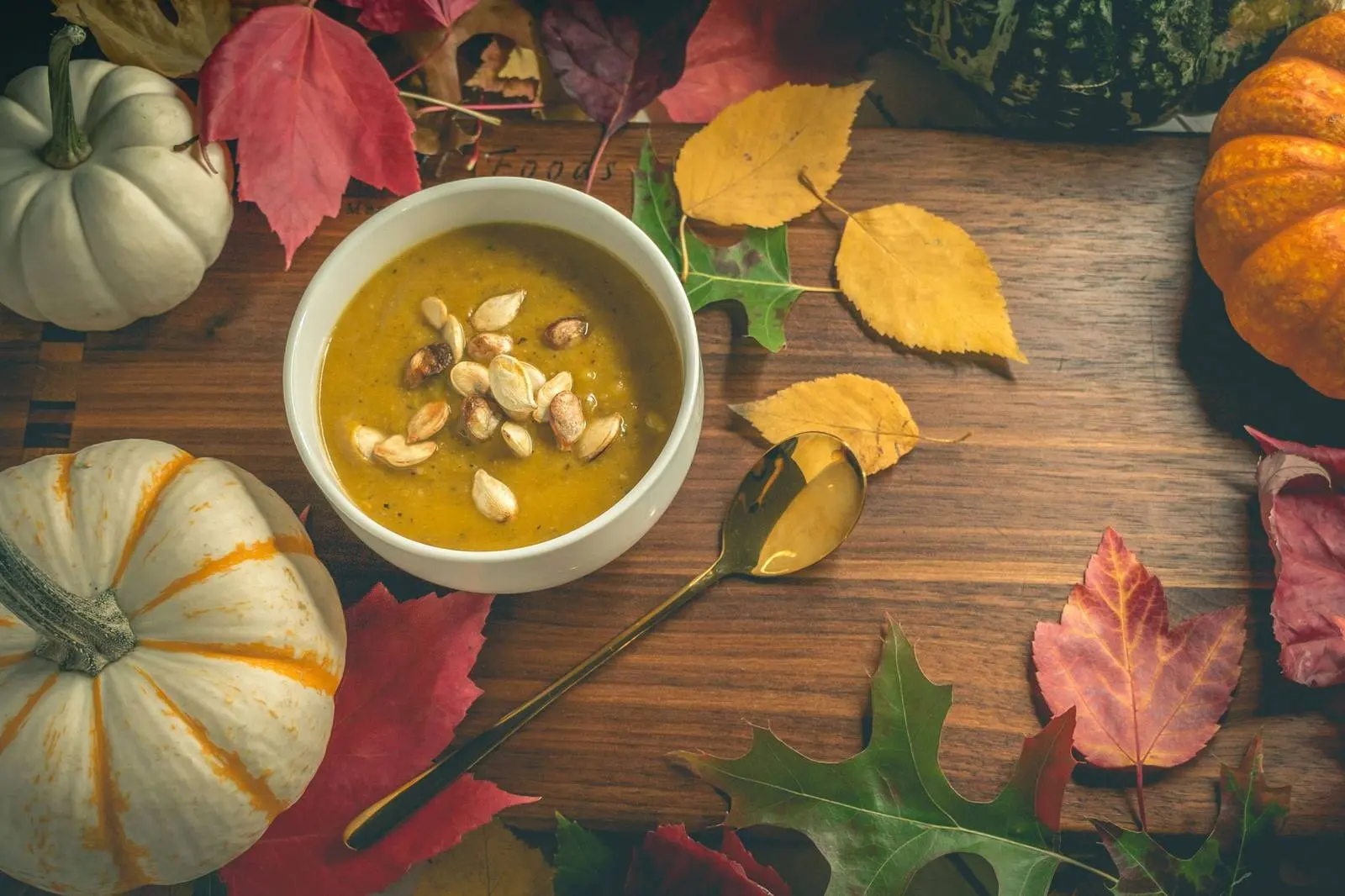
- Roast the pumpkin whole, cool it, then scoop out the seeds and pith and spoon the flesh into a bowl.
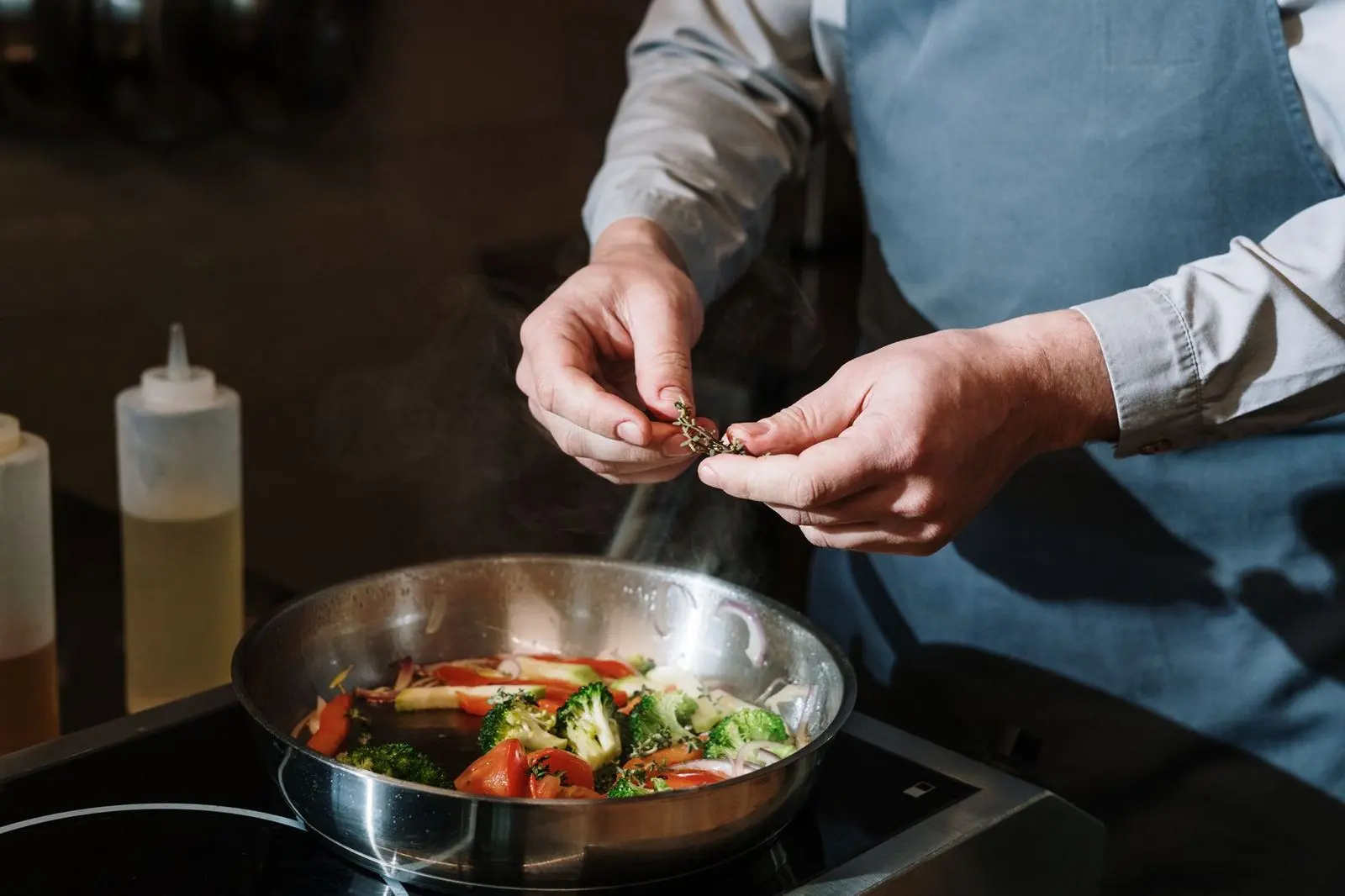
- Soften chopped onion in butter or oil over a gentle heat, then add the garlic for a short moment.
- Stir in the pumpkin flesh and any spices, and let them warm through together.
- Pour in stock until the pumpkin is just covered, bring to a simmer and cook until everything is very soft.
- Blend until smooth, thinning with more stock or warm water if it is too thick.
- Season with salt and pepper, taste, and adjust before serving with seeds or a swirl of cream.
A stick blender works in the pot; a jug blender needs care with hot liquid, so blend in small batches with the lid vented.
Storing and freezing leftovers
Fresh purée or pumpkin butter can be stored in the fridge and eaten within three to four days, according to Illinois Extension. Treat a finished pot of soup with the same caution and chill it promptly.
For longer keeping, freezing is the route the extension sources describe. Illinois Extension says pumpkin can be safely frozen after boiling, steaming or baking it, packed in freezer-safe containers. Freezing the plain cooked pumpkin, then building the soup later, follows that advice most closely.
Why not can the purée?
Home canning is where people go wrong. Pumpkin is a low-acid food, and the purée is too thick for home pressure canners to heat high enough to kill potential toxins, per Illinois Extension. The same page notes that USDA directions for canning mashed or puréed pumpkin were withdrawn in 1989.
A University of Georgia food-safety specialist puts it bluntly: there are no safe, tested home canning procedures for mashed pumpkin or pumpkin butter, and guessing could lead to botulism. The sources here address purée, not finished soup, so keep soup chilled or frozen rather than on a shelf.
Roasting the seeds for topping
The seeds you scooped out make a crisp garnish. Wash off the clinging fibres, then dry them before roasting, since drying and roasting are separate steps.
After drying, Illinois Extension suggests tossing them with oil and/or salt and roasting in a preheated oven at 250°F for 10 to 15 minutes, stirring often. Store cooled seeds in the fridge or freezer, as they turn rancid if kept at room temperature for long periods.
Frequently asked questions
Can I use a big carving pumpkin?
Show answer
You can, but expect a thinner result. Sources on pumpkin cooking favour small sugar or pie types, with larger ones giving flesh that is watery and stringy.
Can I make the soup ahead and freeze it?
Show answer
The supplied sources describe freezing cooked pumpkin in freezer-safe containers. Freezing the cooked flesh and finishing the soup when you need it is the safest reading of that advice.
Is it safe to can pumpkin soup at home?
Show answer
The sources do not support it. They state that canning purée is not recommended because it is too thick to heat through reliably, so keep soup in the fridge or freezer.
How should I store the pumpkin before cooking it?
Show answer
Keep it somewhere cool and humid, around the mid-range of 50 to 55°F, and away from apples and pears. Cold below 50°F speeds up deterioration, so the fridge is a poor place for a whole pumpkin.