Got a pile of squash and a freezer with room to spare? Here is how to freeze squash: cook and mash it for purée, or blanch cubes for 3 minutes, then pack airtight and freeze.
This guide belongs to the seasonal cooking collection on this site.
| Item | Detail |
|---|---|
| Blanching time for squash cubes | 3 minutes |
| Tray freezing before bagging cubes | At least 4 hours |
| Headspace for purée in rigid containers | ½ inch |
| Best-quality storage when held at zero degrees | Up to 12 months |
| Home canning of mashed or puréed squash | No safe processing times determined |
These figures come from NC State Extension (McDowell County) and NC State Extension (Lee County), and guidance can change, so check the sources before you rely on them.
Which squash and pumpkin freeze best?
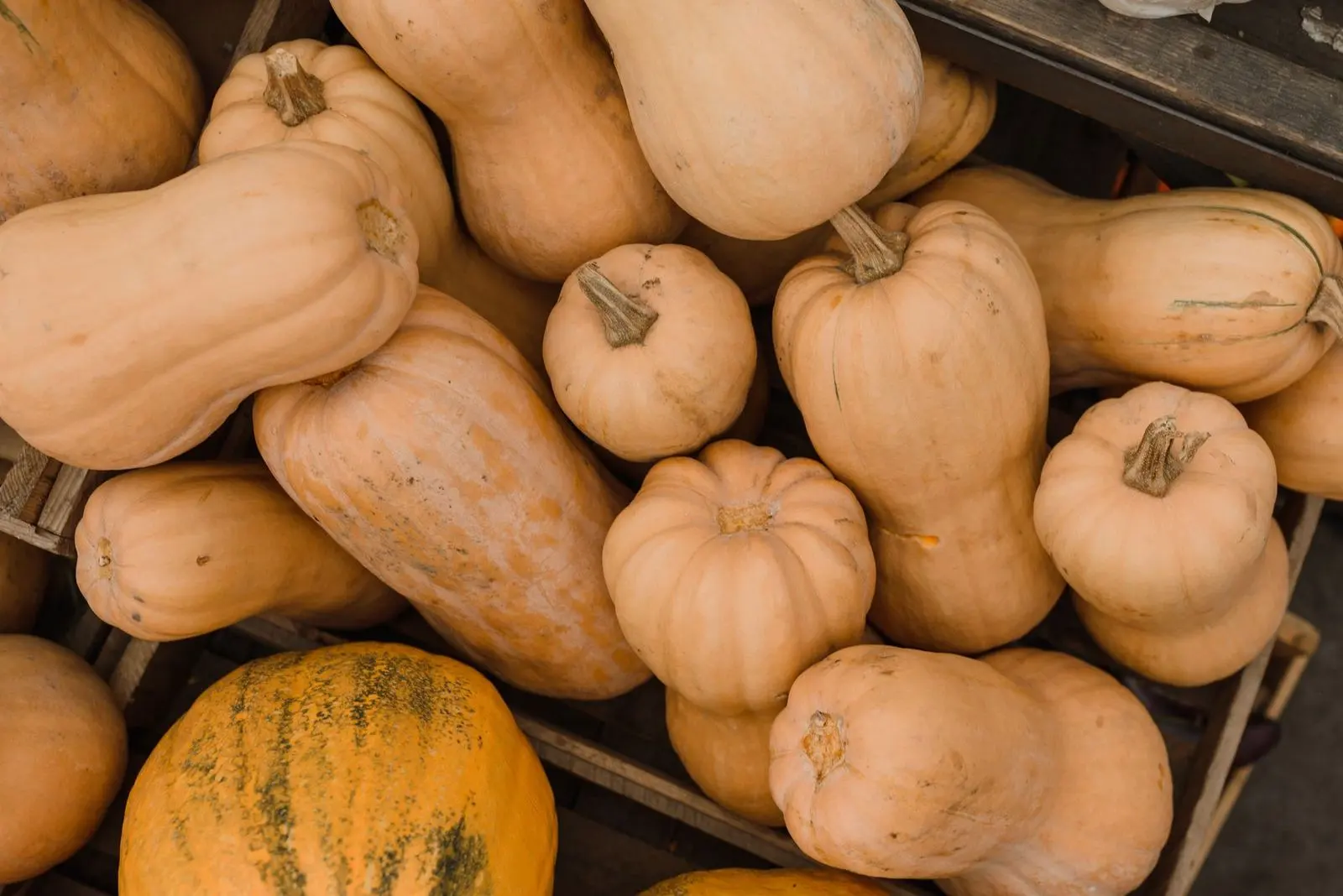
Smaller types give the best results. Oregon State University Extension says the smaller “sugar” and “pie” varieties of pumpkins are best for eating and preserving, and the National Center for Home Food Preservation (NCHFP) warns that other pumpkins have watery, stringy flesh (Oregon State, NCHFP).
Oregon State lists these popular winter squash varieties for preserving:
- Acorn
- Buttercup
- Butternut
- Banana
- Golden delicious
- Hubbard
- Sweet meat
NCHFP advises choosing a full-colored mature pumpkin with fine texture. Spaghetti squash can also be frozen, but it is handled a little differently, as the FAQ below explains.
How to freeze squash as purée
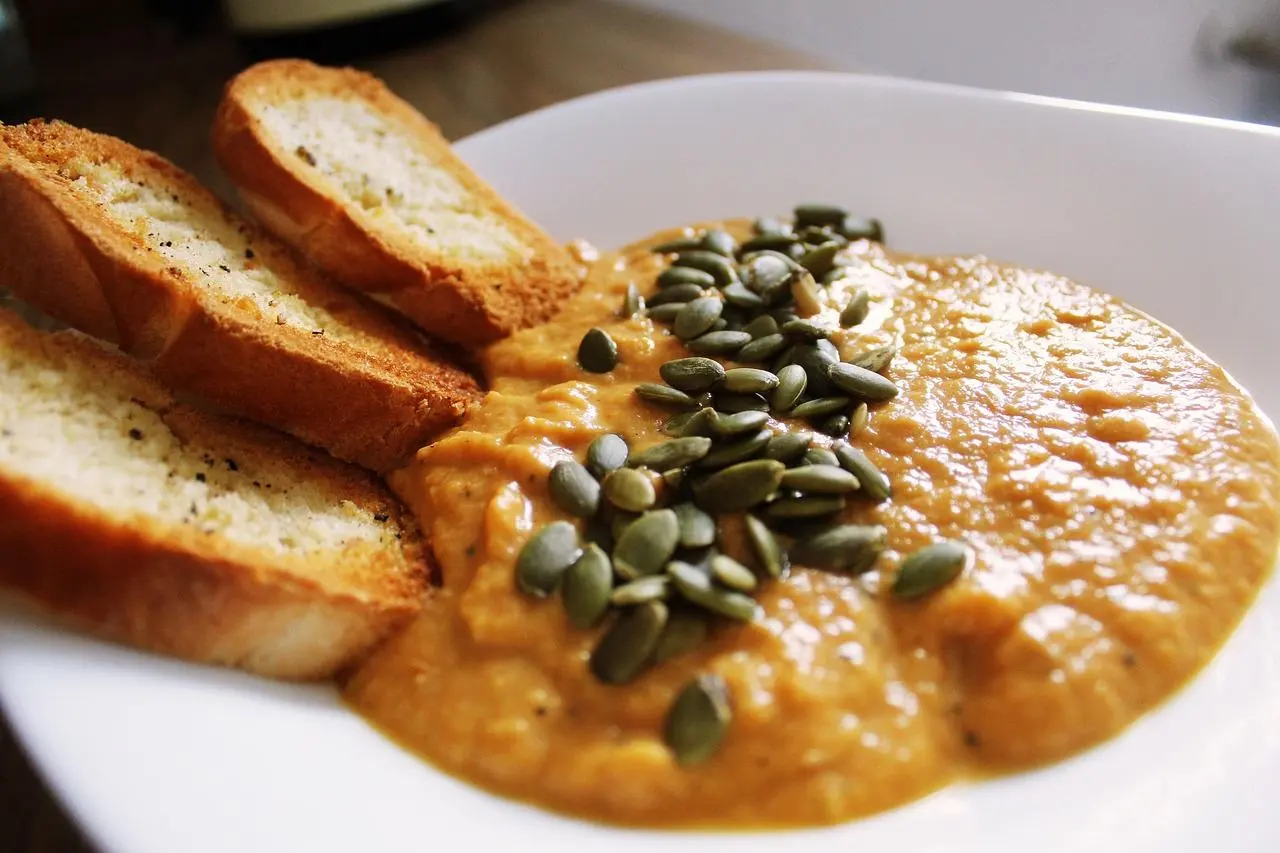
Purée suits soups, breads, pies and pancakes, according to NCHFP. The method is the same for pumpkin and other winter squash.
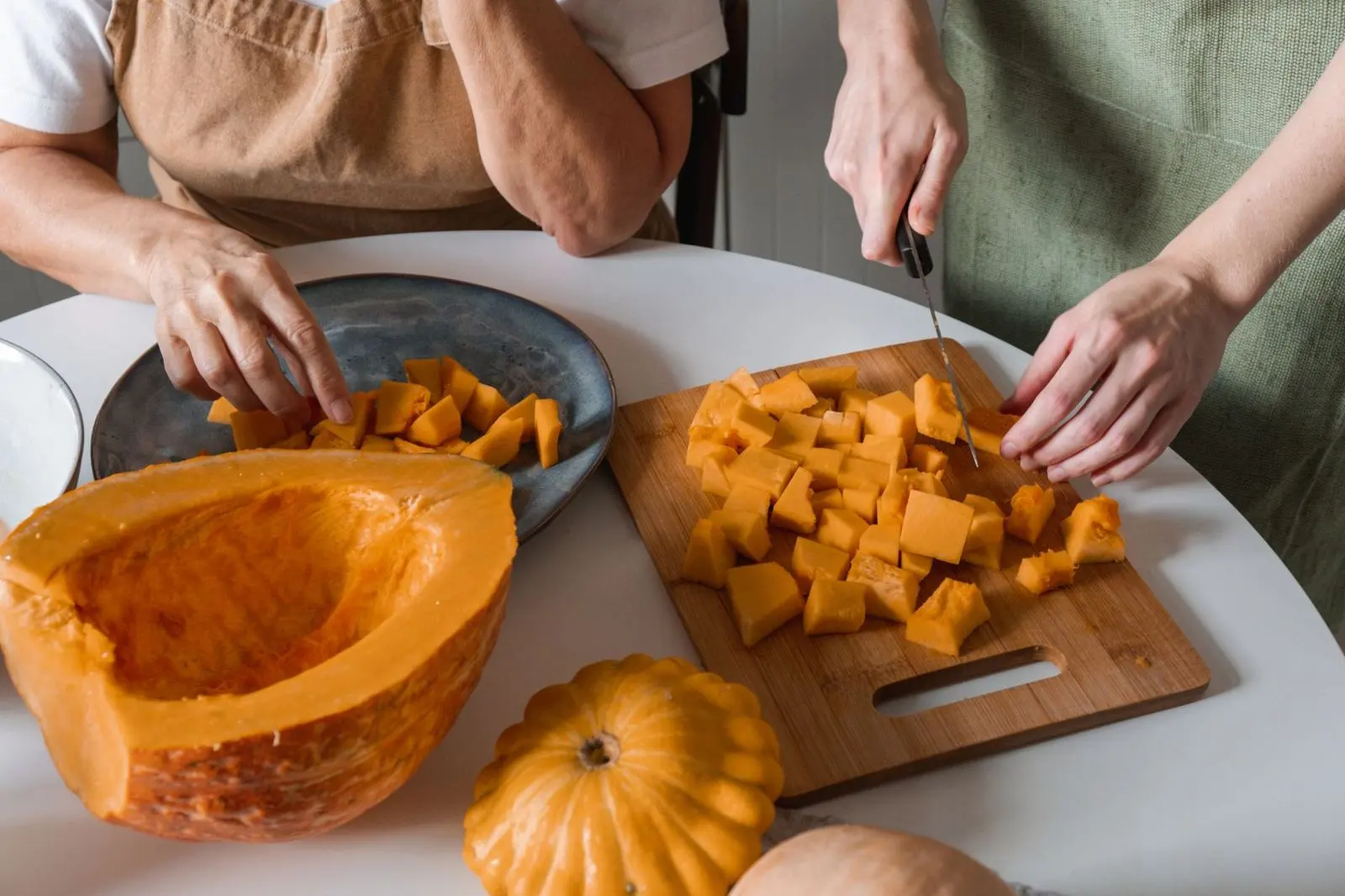
- Wash the squash, remove the seeds and pulp, and cut it into cooking-size slices or chunks.
- Cook until soft by boiling in just enough water to prevent sticking, steaming, baking covered in the oven, or using a pressure cooker. Oregon State also lists the microwave and notes that varieties have widely different cooking times.
- Cool slightly, scrape the flesh from the peel, drain it, then mash or purée.
- Set the pan of purée in cold water to cool, stirring now and then.
- Pack into rigid freezer containers, leaving ½ inch of headspace, per NC State Extension.
- Seal, label and freeze.
Zip-type freezer bags also work: squeeze out the excess air, flatten the bags and freeze them on trays until solid. Once frozen, the flat bags stack neatly.
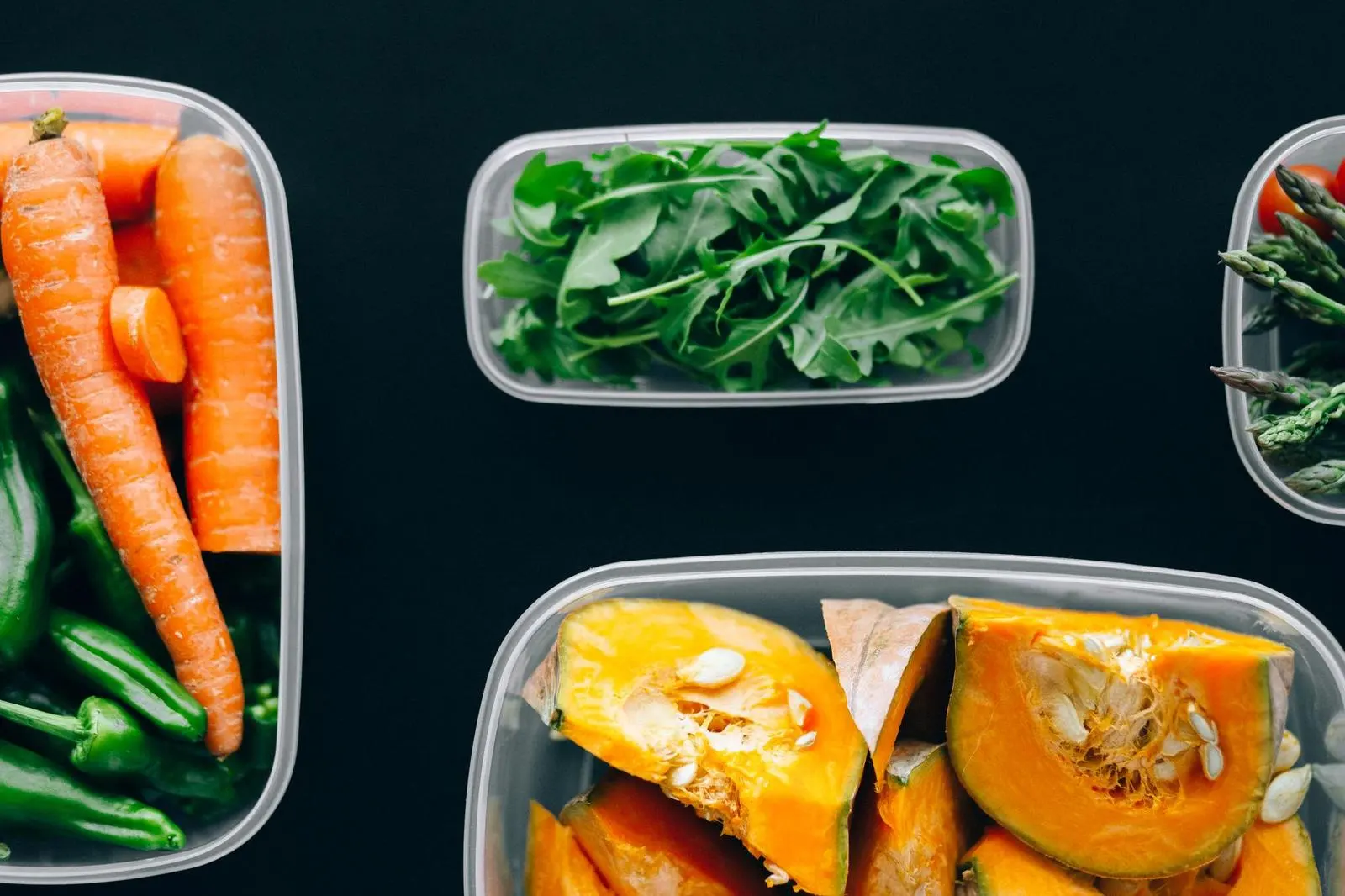
Freezing squash cubes: blanch first
NC State’s Lee County office calls blanching a must for almost all vegetables that are frozen, and says steam or boiling blanching is satisfactory for pumpkin and winter squash (Lee County Extension). The general method is covered in how to blanch vegetables.
For cubes, the McDowell County guidance gives this routine (NC State Extension):
- Water blanch the cubes for 3 minutes, just until heated through.
- Drain, then chill in cold water, keeping the cubes in a colander so they do not break apart.
- Pat dry with a paper towel.
- Spread the cubes in a single layer on a cookie sheet and freeze for at least 4 hours.
- Transfer to a freezer bag, pressing out the air before freezing.
The sources behind this page describe cooking or blanching squash before it goes into the freezer. They do not cover freezing uncooked pieces, so that route is left out here.
Which form suits which dish?
Pick the form by what you plan to cook. NCHFP names soups, breads, pies and pancakes for purée, and stews or sautées for cubed pumpkin (NCHFP).
- Purée: ready to stir into baking and smooth soups.
- Blanched cubes: keep their shape for stews and pan dishes.
The same page calls cubed pumpkin delicious roasted, perhaps with onion, garlic and other vegetables. For oven ideas, see our guide to roasted root vegetables.
Storing, portioning and thawing
Freeze in amounts you will actually use. The Lee County guide says smaller portions avoid waste and the ice crystals that form when food is refrozen, which lowers quality.
A freezer thermometer kept alongside your food can show that the temperature holds at zero degrees. Food held steadily at that temperature keeps its best quality for up to 12 months (Lee County Extension).
For thawing, the same page lists the refrigerator, cold-temperature thawing, or the microwave if the food is cooked or served right away. Cold running water or a water bath needs closer attention.
Why freeze purée rather than can it?
Home canning of purée is the gap in the guidance. As of Oregon State Extension’s November 2024 revision, safe processing times have not been determined for mashed or puréed squash because of the product’s density (Oregon State).
NC State’s Lee County page makes the same point about research-tested recipes, and the McDowell County page notes a risk of botulism when puréed winter squash is canned. Cubes are the only form the sources describe for canning, which makes freezing the simpler route for purée (Lee County, McDowell County).
Frequently asked questions
Can I freeze spaghetti squash?
Show answer
Yes. Oregon State says it may be preserved by freezing, but it should be cooked and not mashed, because the strands are the point of the vegetable (Oregon State).
Do I need to blanch squash before freezing?
Show answer
For cubes, yes: the Lee County guide treats blanching as essential for nearly every frozen vegetable. Purée skips the separate step because the squash is cooked until soft before it is mashed (Lee County Extension).
How long does frozen squash keep?
Show answer
Quality is best for up to 12 months when the freezer stays at zero degrees. Food held longer should not be assumed spoiled, but the sources give no figure for it (Lee County Extension).
What is the easiest way to store purée in bags?
Show answer
Fill zip-type bags, press out the air, lay them flat and freeze them on trays. When solid, they can be stacked to save space (NC State Extension).