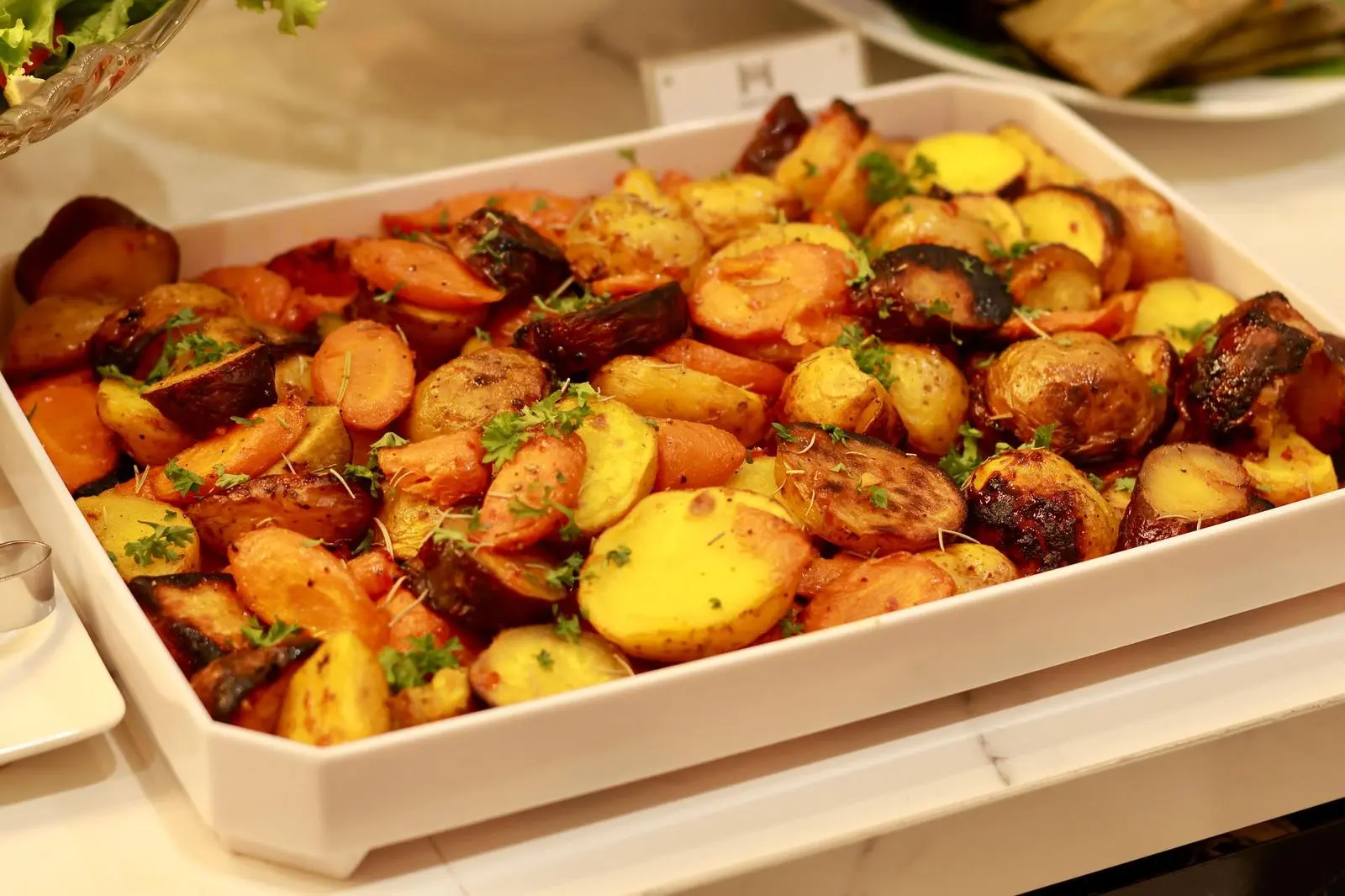
Want roasted root vegetables that come out caramelized rather than soggy? Cut them evenly, coat them lightly in oil, give them space on the pan, and roast at high heat until a knife slides in.
This page is part of the seasonal cooking section of this independent site, and it covers the basic method that other recipes build on.
| Item | Value |
|---|---|
| Oven temperature in one extension recipe for parsnips and carrots | 400 degrees F |
| Favoured roasting range for vegetables | 400°F to 450°F |
| Oil per pound of chopped vegetables | 1-2 tablespoons |
| Roasting time for parsnips and carrots | 20 to 30 minutes |
| Roasting time for carrots, potatoes, beets and cabbage wedges in roughly 1-inch pieces | 30-45 minutes |
| Refrigerate leftovers within | 2 hours |
The figures come from the Oregon State University Extension roasted parsnips and carrots recipe and the Fountain Avenue Kitchen guide to roasting vegetables. Times and temperatures can change with your pieces, pan and oven, so check the sources before you rely on them.
Choosing and cutting the vegetables
The Oregon State University Extension recipe pairs parsnips with carrots and calls them a tasty way to enjoy root vegetables. It also says you can roast sunchokes with carrots or parsnips.
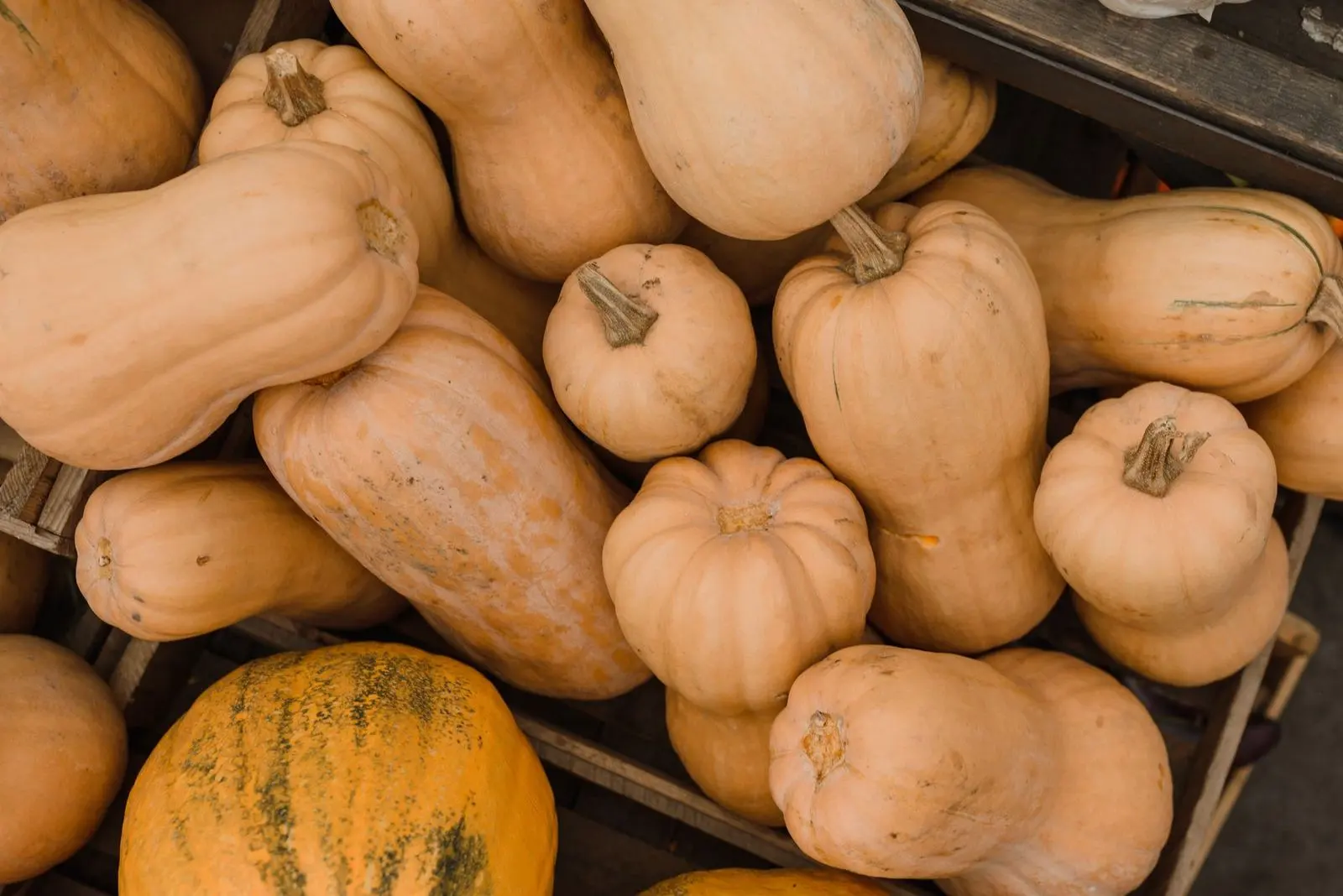
The Fountain Avenue Kitchen guide stretches the same method to potatoes, beets, sweet potatoes and winter squash such as butternut and acorn. That makes one set of habits useful for a whole tray of mixed vegetables.
The guide boils those habits down to a short list:
- cut the vegetables into similarly sized pieces;
- spread them in an even layer on the baking sheet;
- make sure the oven temperature is high enough.
For the cut itself, the Oregon State recipe suggests uniform pieces such as 3 x ½-inch sticks or 1-inch thick slices, as its directions put it. Even pieces finish at the same moment, so none turns to mush while another stays hard.
Oil, seasoning and the pan
Fountain Avenue Kitchen suggests 1-2 tablespoons of oil per pound of chopped vegetables, which it puts at roughly 4 cups, though that varies somewhat (source). You want enough to coat the pieces lightly, not so much that they drip.
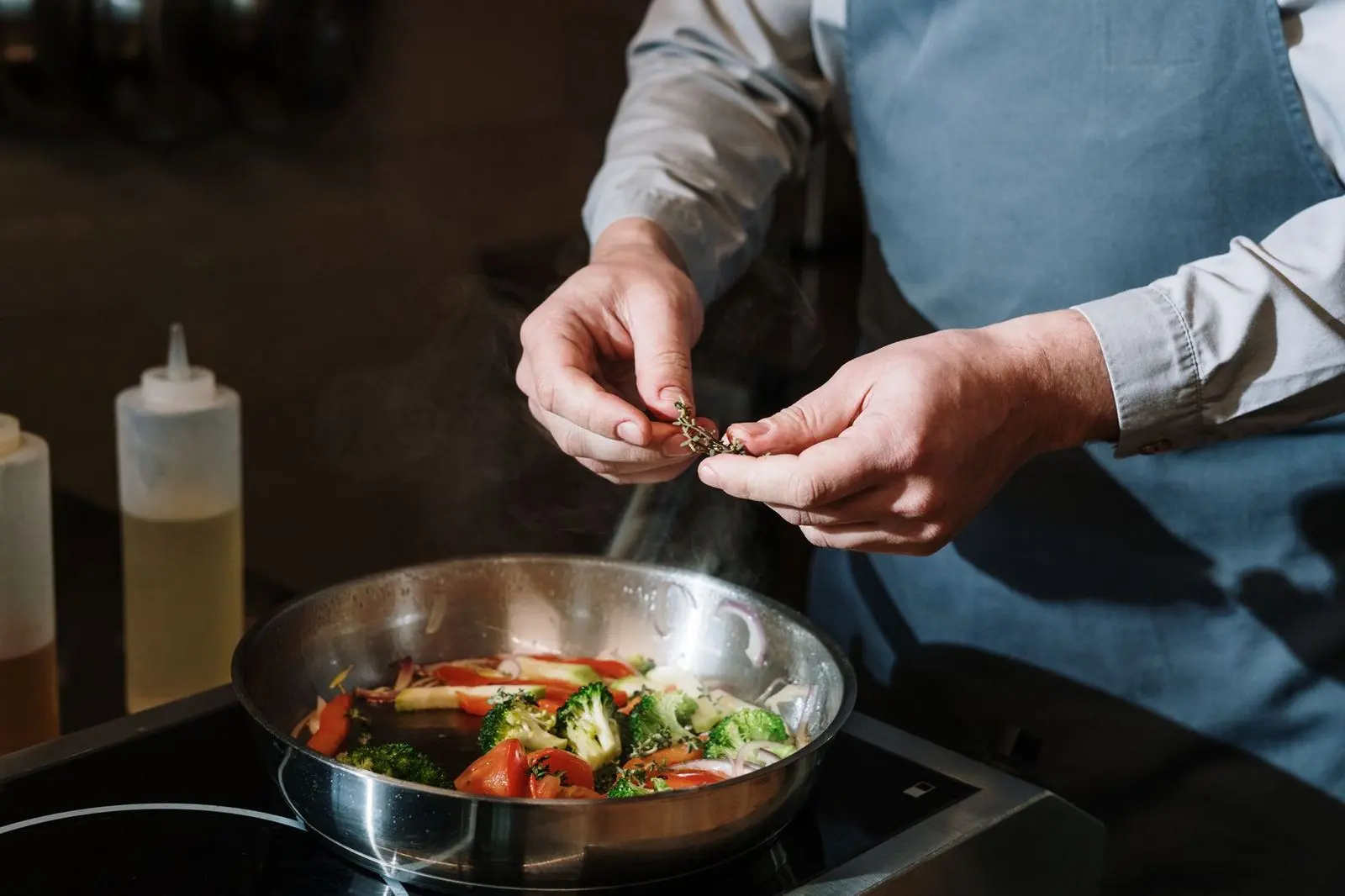
Season after the oil goes on. The same guide sprinkles salt and pepper over the oiled pieces and tosses again, while the Oregon State recipe stirs in salt, garlic powder and black pepper until everything is well coated.
A few pan habits make the biggest difference:
- Use a single layer and take care not to overcrowd the pan, as the Oregon State recipe directs.
- Line the sheet with foil or baking parchment for easier clean-up. Parchment is naturally stick-free, while foil should be oiled.
- Check the parchment rating: most papers are rated for no higher than 420°F to 450°F, and the paper can burn if you switch the oven to broil, according to Fountain Avenue Kitchen.
Oven temperature and timing
Fountain Avenue Kitchen favours 400°F to 450°F and usually settles on 425°F (source). The Oregon State recipe sits at the low end of that range, preheating to 400 degrees F (source).
The Fountain Avenue Kitchen estimates assume 425°F and roughly 1-inch pieces:
- 20-30 minutes for winter squash such as butternut and acorn, and for sweet potatoes;
- 30-45 minutes for carrots, potatoes such as russets and Yukon golds, beets and cabbage wedges.
Size changes everything. The guide’s author roasted carrots in just 20 minutes by slicing them 1/2-inch thick, and dark pans cook faster than light ones (source). The Oregon State recipe gives parsnip and carrot sticks or slices 20 to 30 minutes, stirring halfway through (source).
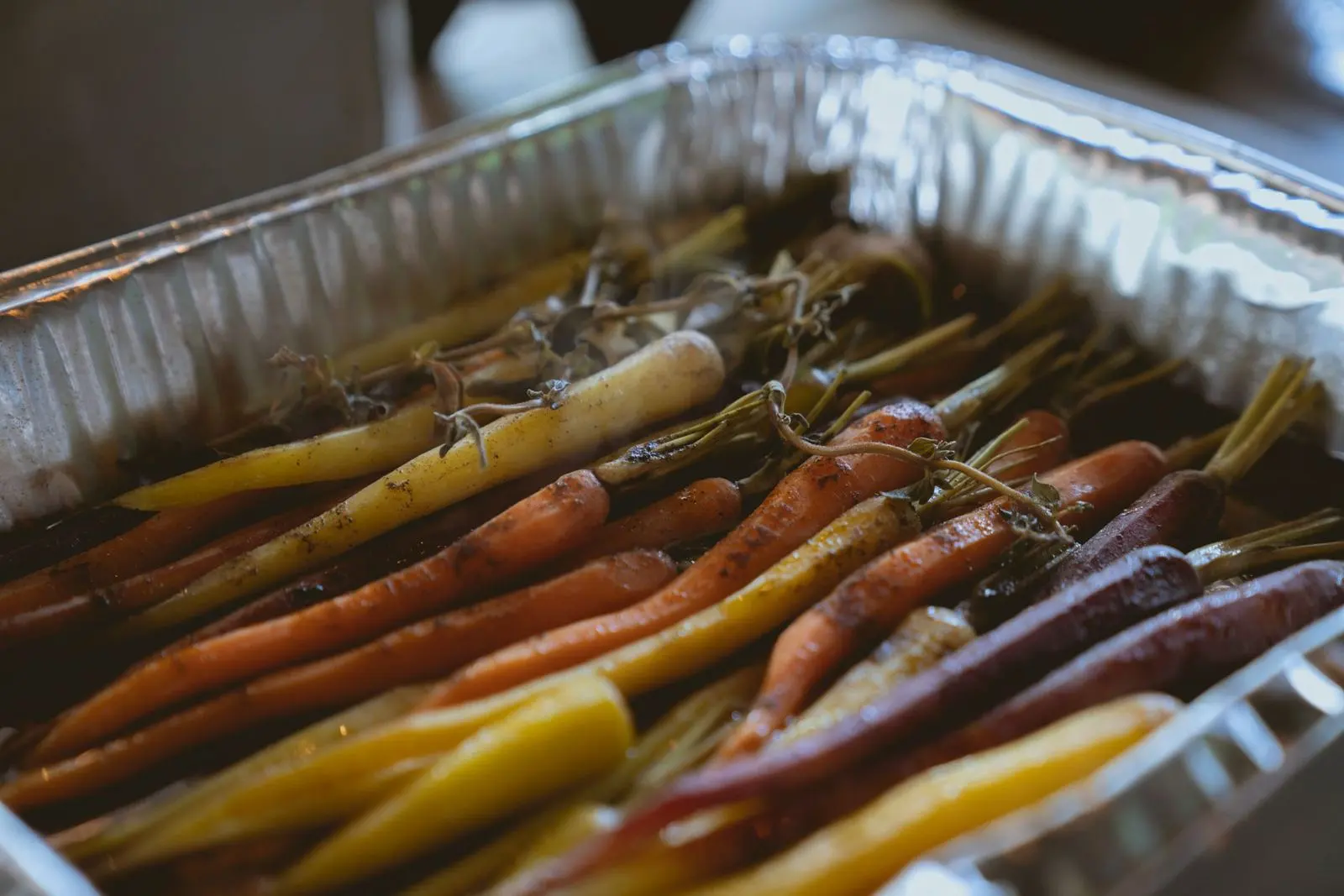
Do not trust the clock alone. The tip of a sharp knife should pierce the vegetables easily when they are done, and the Oregon State recipe looks for carrots and parsnips caramelized to a medium brown and blistered.
A basic method, step by step
- Preheat the oven to 400 degrees F, as the Oregon State recipe does, or a little hotter if you like.
- Rinse or scrub the vegetables under running water, peel them if needed, and cut them into pieces of one size.
- Toss the pieces in a large bowl with a light coating of oil.
- Add salt, pepper and any other seasoning, and toss again until everything is coated.
- Spread the pieces in a single layer on a baking sheet without overcrowding it.
- Roast for 20 to 30 minutes for parsnip and carrot sticks, stirring halfway, and check with a knife tip (source).
Thicker or denser pieces need longer, so use the timing list above rather than a single number for the whole tray.
Seasoning ideas and what to do with the batch
Plain salt and pepper work, but both sources suggest extras:
- thyme, onion powder or paprika of any type (Oregon State);
- cumin, chili powder, smoked paprika, Italian seasoning or curry, added to taste (Fountain Avenue Kitchen);
- a hint of brown sugar or maple syrup for sweet vegetables such as carrots, sweet potatoes and winter squash;
- a sprinkle of Parmesan in the final minutes of cooking.
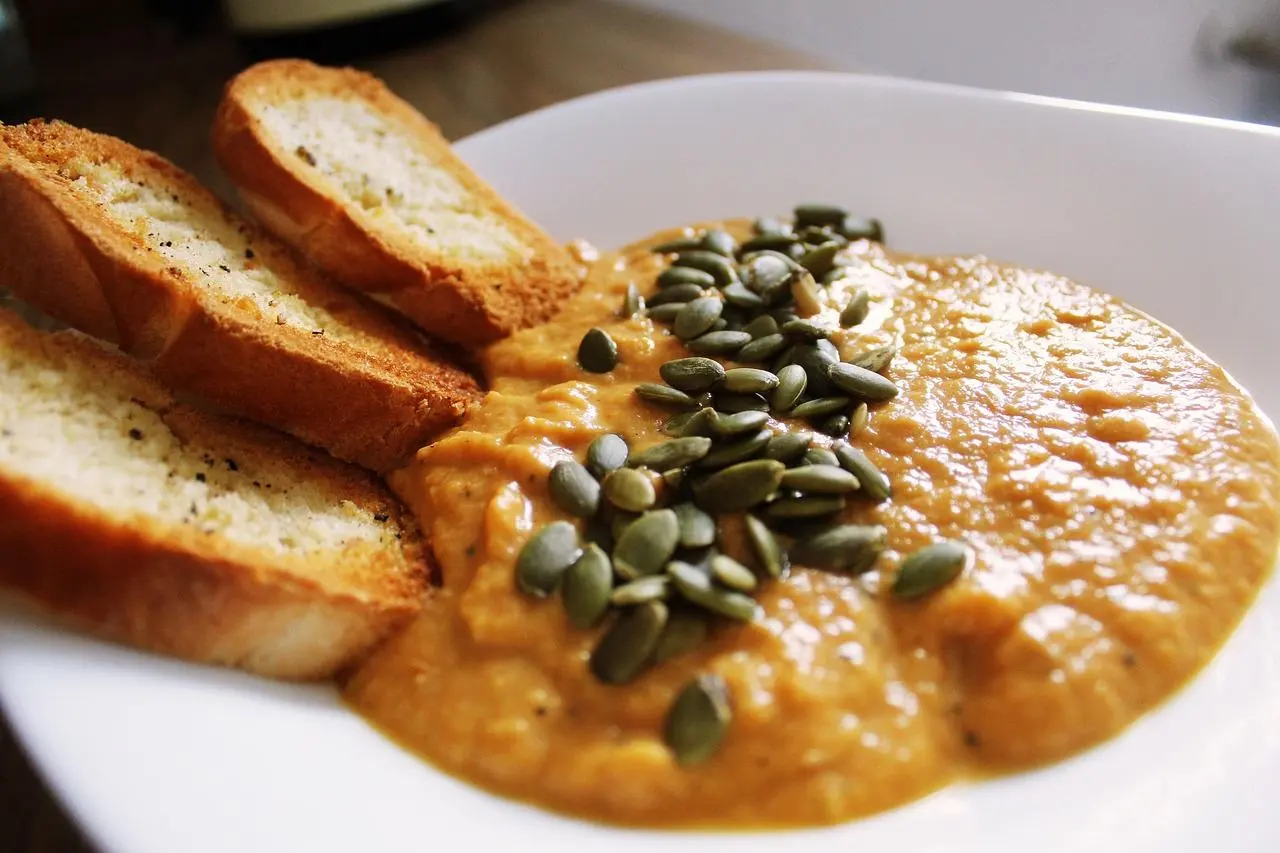
Butternut squash is on the timing list above, and the butternut squash soup page covers a different way to cook it. The guide on how to freeze squash is there if you cook more squash than you need.
Frequently asked questions
Why are my roasted vegetables soft instead of crisp?
Show answer
Fountain Avenue Kitchen’s view is that mushy results usually mean the vegetables stayed in the oven too long, so shorten the time. A shorter roast gives a crisper, firmer vegetable, while a longer one softens and caramelizes them (source).
What if I have no parsnips?
Show answer
The Oregon State recipe says to use more carrots instead. Sunchokes are another option alongside carrots or parsnips (source).
How soon should leftovers go in the fridge?
Show answer
Oregon State’s recipe says to refrigerate leftovers within 2 hours (source).
Can roasted vegetables be more than a side dish?
Show answer
Yes. Fountain Avenue Kitchen describes warm roasted vegetables as a base you can build on for a heartier alternative to a traditional green salad (source).