Wondering when to harvest winter squash? You can pick it once the rind resists a fingernail, the stem is dry and corky, and the skin looks dull. Cut it before frost for the best storage.
The varieties named below are covered in more depth in our guide to types of squash.
| Item | Value |
|---|---|
| Typical time to maturity | 80 to 120 days after planting |
| Stem left on the fruit | 2- to 4-inch stem |
| Curing time | 10 to 14 days |
| Curing temperature | 80°F to 85°F |
| Storage temperature | 50° to 55° F |
These figures come from Harvest to Table’s harvest guide and storage guide. They can change, so check the sources before you rely on them.
Signs your winter squash is ready
Unlike summer squash, which is harvested young, winter squash must stay on the vine until it reaches full maturity, as Harvest to Table explains. Pick too early and the fruit may be bland, watery and hard to store.
No single clue settles it. Most winter squash are ready when several signs appear together:
- A hard rind that resists your fingernail
- A dull, dry-looking skin rather than a shiny one
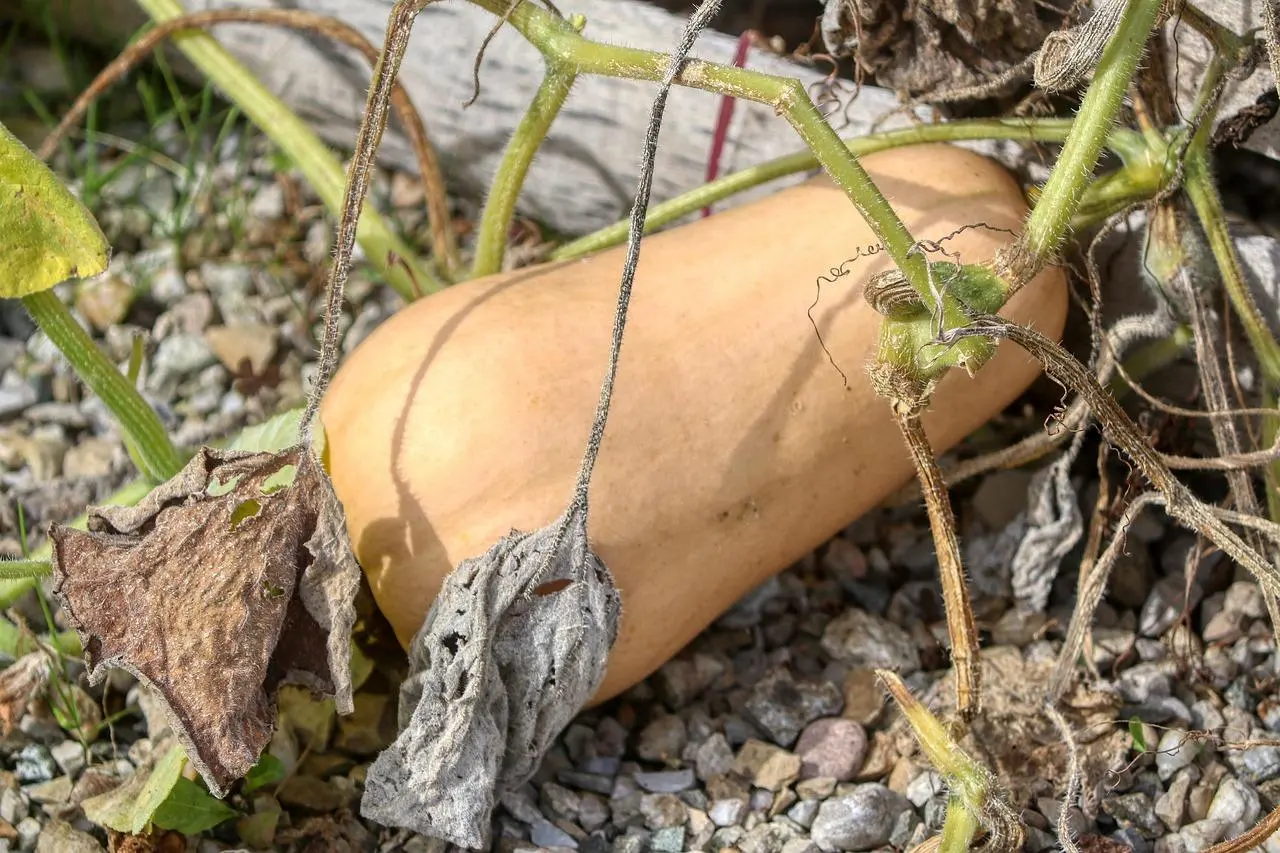
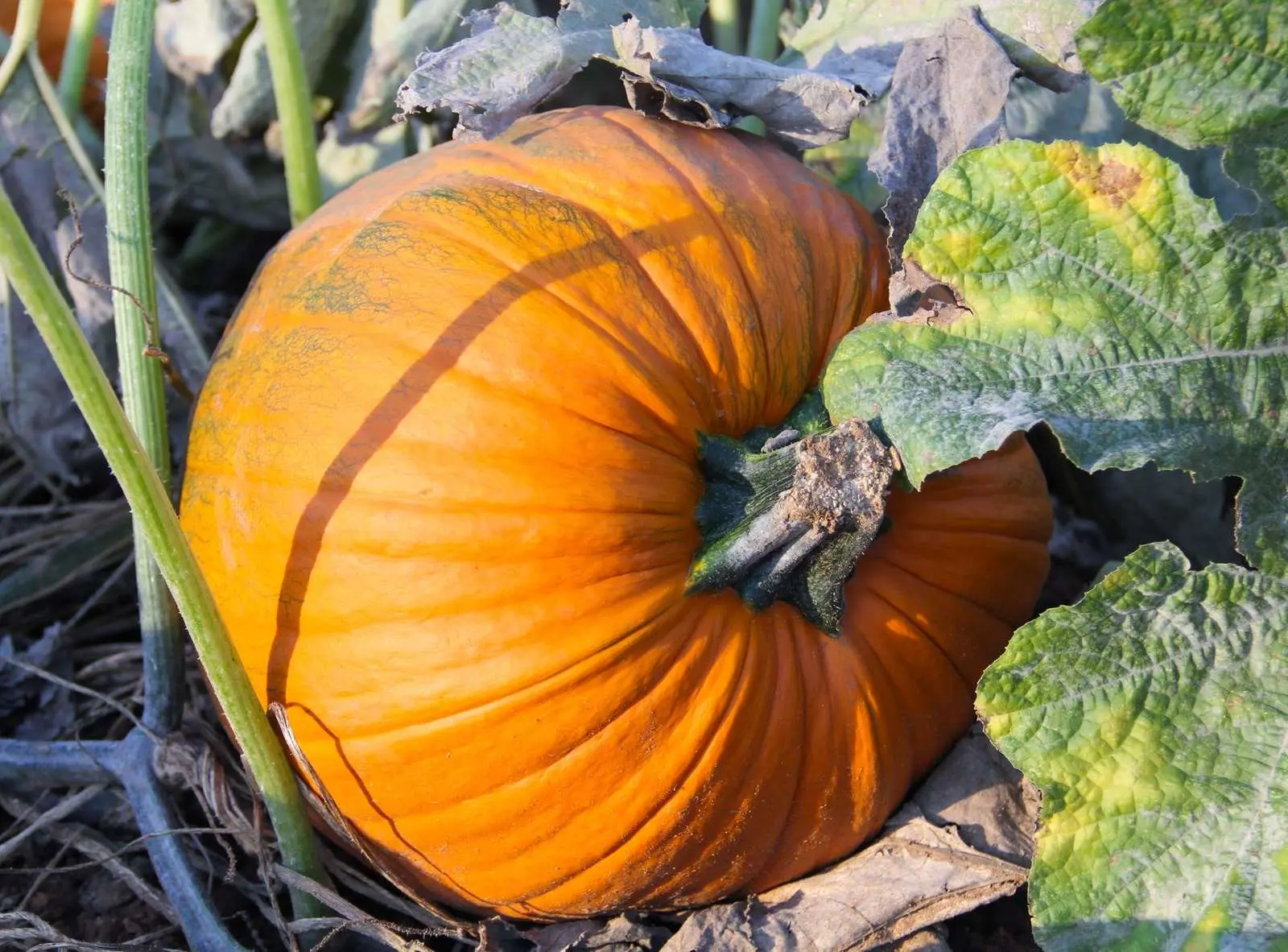
- A dry, brown, corky stem
- The full color of the variety
- Vines that are browning and drying
The calendar helps too: many varieties mature about 80 to 120 days after planting, according to Harvest to Table. Epic Gardening suggests counting the days to maturity from your sowing date, then adding several days for weather. Savvy Gardening adds that at least 50 to 55 days should have passed since fruit set.
Stem, rind and color checks
The stem
The stem is the plant’s link to the fruit. On a mature squash it turns from green to brown and becomes woodier, as Epic Gardening describes. A green, soft stem often means the fruit is still developing, according to Harvest to Table.
Look at the plant too. Brown, drying vines point the same way, as long as they are not a sign of drought or disease.
The rind
Press a fingernail against the skin. Winter squash is ready when the rind is hard and difficult to scratch, per Harvest to Table. Savvy Gardening adds that a ripe fruit sounds hollow when gently tapped.
Check the sheen as well. Mature skin looks dull and dry, while immature skin is bright with a sheen. Go gently, because wounds made while testing reduce storage life, as Harvest to Table warns.
Color
Final color is a useful clue, but it differs by type. Learn the mature color of your specific variety before you start checking. A few examples:
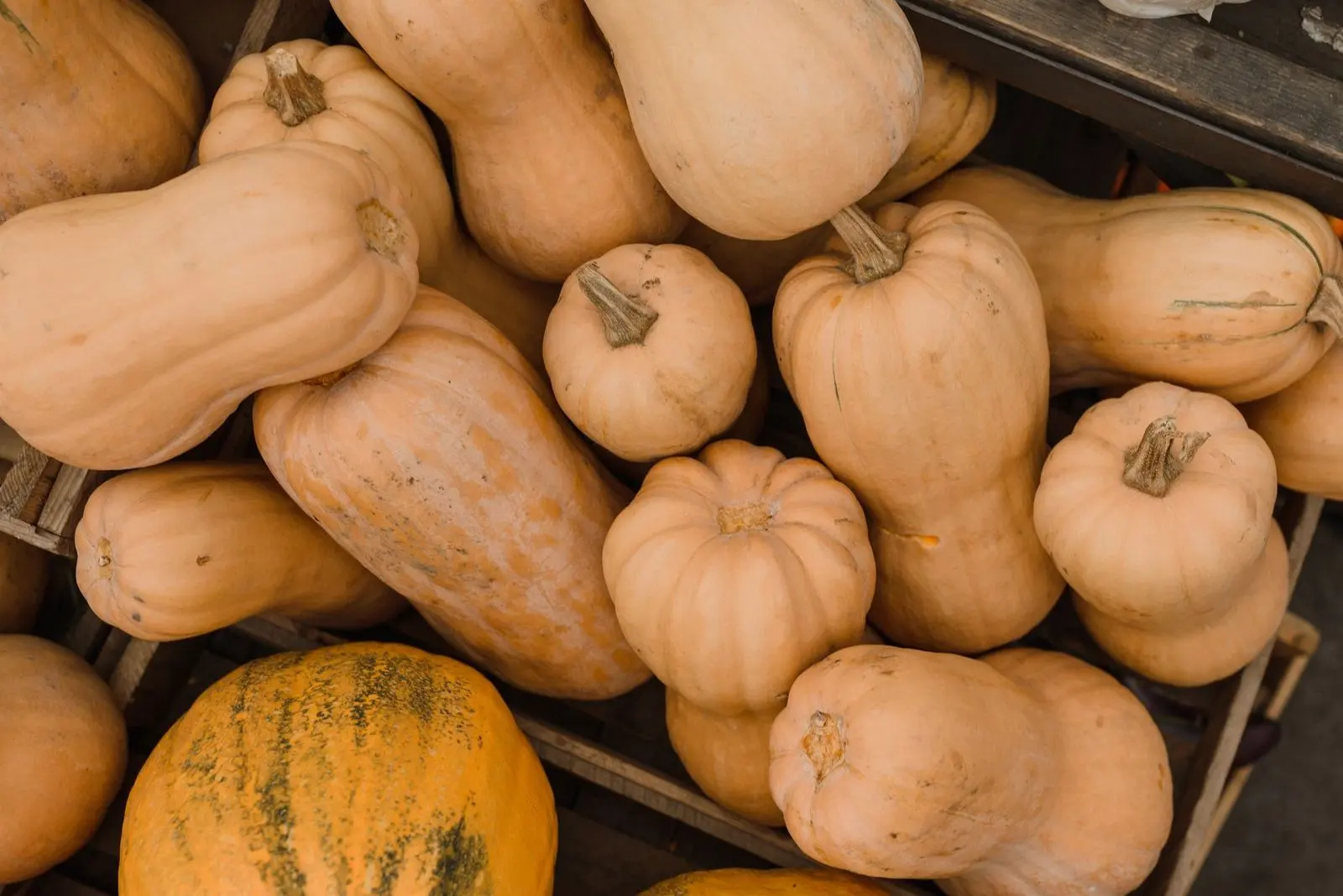
- Butternut: the rind turns from the light green of summer to a burnished golden-tan, according to Savvy Gardening.
- Acorn: the spot where the fruit touches the soil is dark orange when fully ripe, per Epic Gardening.
- Spaghetti: the fruit turns yellow, says Harvest to Table.
Color alone can mislead. Butternuts may reach their final buff tan two to three weeks before they are mature, so combine color with the rind and stem checks, as Epic Gardening advises.
Should you harvest before frost?
Usually yes. Harvest to Table advises harvesting before nighttime temperatures dip into the 40°s F and before the first frost. Squash harvested after frost will be sweeter but will not store as long as squash harvested before it.
Savvy Gardening says not to wait until the plants have been killed by a frost, because frost damages the fruits as well as the plants and reduces storage quality. Epic Gardening is a little more flexible: aim for before the first anticipated frost, or at least before a hard freeze.
There is some leeway for fruit picked a little early. Epic Gardening notes that winter squash can ripen off the vine, with starches converting to sugars over time. Questions that come earlier in the season are covered in how to grow pumpkins.
How to cut and handle the fruit
A clean cut protects the fruit from rot. Follow these steps:
- Choose a dry day, because wet fruit should not be handled or harvested.
- Cut the stem with clean pruners or a sharp knife, and never pull or twist the fruit from the vine.
- Leave a stem on the fruit: Harvest to Table says a 2- to 4-inch stem, while Savvy Gardening says at least two to three inches.
- Carry each squash by its body, never by its stem, and handle it gently to avoid bruising.
Ripping fruit from the vine can leave a wound that can turn to rot, according to Harvest to Table. If you damage a fruit or break off the stem, use that squash soon instead of storing it, as Savvy Gardening recommends.
Hubbard-type squash is the exception to the leave-a-stem advice, since it stores best with the stem completely removed, per Harvest to Table.
Curing and storing after harvest
Curing lets moisture evaporate, which concentrates the natural sugars. Harvest to Table describes warm, airy conditions of 80°F to 85°F with 80 to 85 percent humidity for about 10 to 14 days. Savvy Gardening gives a shorter window of 7 to 10 days.
Acorn squash is the exception, because curing it will reduce its storage life and quality, according to Harvest to Table. A full walk-through of the process is in how to cure winter squash.
Once the fruit is cured, set up your storage space with these points in mind:
- Keep it cool and dry, at 50° to 55° F with 50 to 70 percent relative humidity, since higher humidity can result in rot.
- Store squash on a shelf or rack, not on the floor.
- Keep it away from apples, pears and other ripening fruit.
- Inspect it weekly, and move any squash that starts to spot away from the others so it can be used soon.
Those storage points come from Harvest to Table. Properly cured fruit can be stored for three to six months, with some types keeping quality for up to a year, says Savvy Gardening.
Frequently asked questions
How many days do winter squash need before harvest?
Show answer
Start with the days-to-maturity figure on your seed packet, then allow extra days for cool or wet weather. Many varieties fall in the 80 to 120 days range after planting, according to Harvest to Table.
Can you eat winter squash straight after picking?
Show answer
It depends on the type. Savvy Gardening says small-fruited types such as Delicata, Acorn and Spaghetti are fine to eat right away, while butternut reaches its best flavor after one to two months of storage.
What if frost is coming and the squash is still immature?
Show answer
Bring the fruit in and cook it first. Savvy Gardening cautions that such squash may be less sweet than a fully mature, cured one and will not last in storage.
Should you wash winter squash before storing it?
Show answer
Avoid it, because washing can remove the natural protective coating on the skin. If cleaning is needed, Harvest to Table suggests wiping the squash gently with a dry cloth.