Wondering how to grow pumpkins without a sprawling, mildewed mess? Sow seeds after frost, once the soil is warm, give each hill several feet of room, and water deeply every week.
Pumpkins are one family member among many, and our guide to types of squash shows how they sit alongside the others.
| Item | Value |
|---|---|
| Soil temperature for planting | 70 degrees Fahrenheit |
| Space between vining hills | 5 to 6 feet |
| Water per week | At least one inch |
| Stem left on at harvest | 3 to 4 inches |
| Storage temperature | Between 50 and 55°F |
| Storage life of whole, unblemished fruit | 3 to 6 months |
These figures come from SDSU Extension and University of Illinois Extension. Guidance can change and varies by climate, so check the sources before you rely on the numbers.
Choose a pumpkin that fits your plan
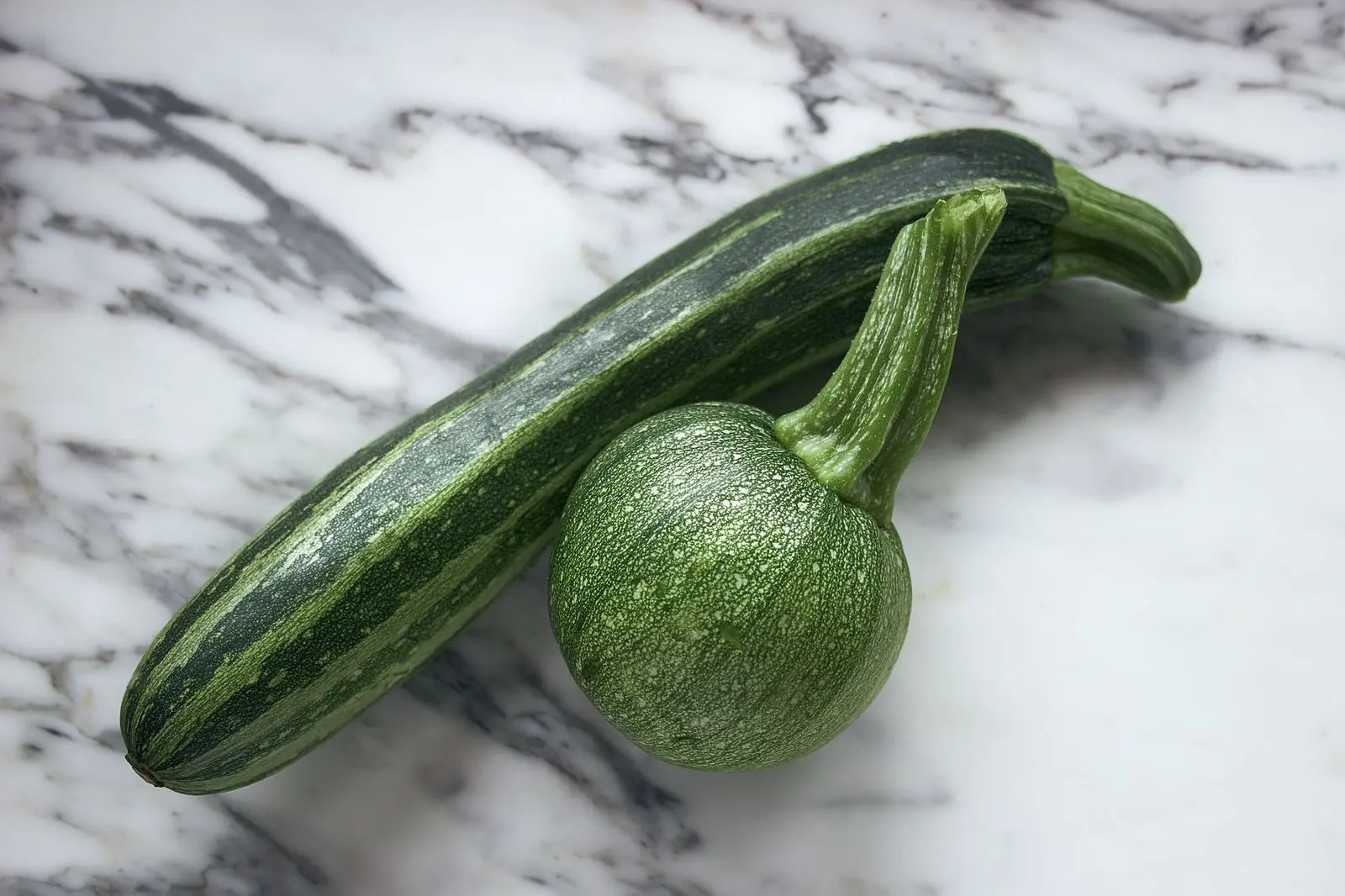
Pumpkins are a type of winter squash, picked as mature fruit, while summer squash such as zucchini is eaten immature, according to SDSU Extension. Some pumpkins are bred purely for decoration and are usually stringy and less flavorful, so read the variety description before you buy.
Utah State University Extension sorts popular varieties by fruit size:
- Small: Jack Be Little, Wee-B-Little and Baby Bear bear fruit of 0.5-1.5 lb (USU Extension).
- Medium: Lumina is a white-skinned pumpkin of 8-14 lb used for painting (USU Extension).
- Large: Autumn Gold, Connecticut Field and Spirit Hybrid give 18-25 lb orange fruit for pies and carving (USU Extension).
- Giant: Big Max and Big Moon can produce fruit weighing in excess of 200 pounds (USU Extension).
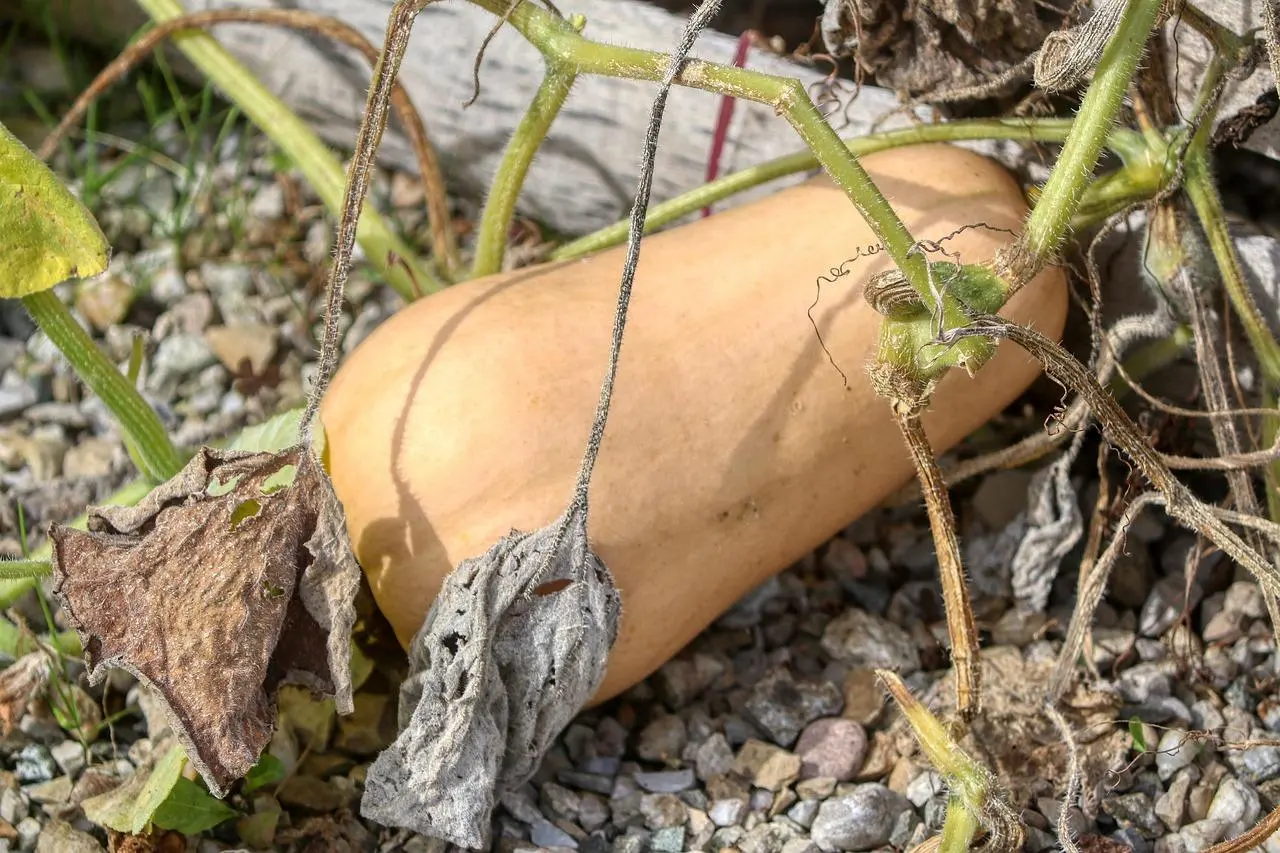
For baking, Illinois Extension names the smaller sweet or pie pumpkin as the best choice. If you would rather grow a different winter squash, our notes on how to grow butternut squash cover what changes.
When to sow pumpkins and how deep
Wait until frost has passed or the soil reaches 70 degrees Fahrenheit, advises SDSU Extension. It prefers direct seeding, because seed germinates quickly and the roots grow deeper than those of transplants.
USU Extension sets its threshold a little lower, at 65ºF, and puts seed 1-2 inches deep. Its hill method uses four to six seeds in mounds 4 feet apart, thinned to two plants per mound.
Seedlings should show within 7 to 10 days, according to University of Maryland Extension. If you use transplants, handle them gently, because a disturbed root system sets them back.
For a Halloween crop, Illinois Extension suggests planting from late May in northern locations to early July in extremely southern sites. Plant too early and the fruit may soften and rot before Halloween.
How much space do pumpkins need?
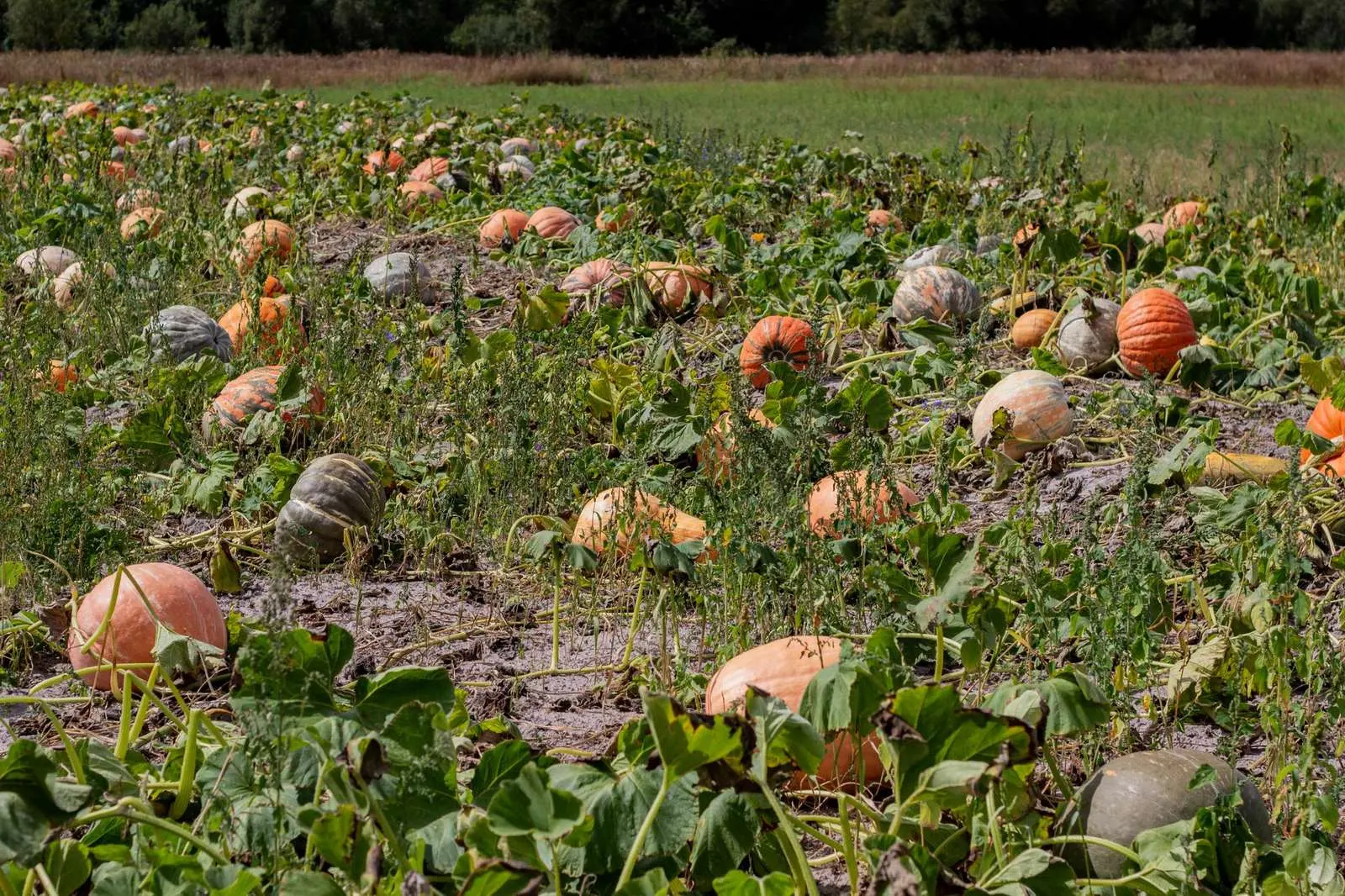
Vines sprawl, so spacing depends on the plant’s habit. Illinois Extension gives separate figures for four types:
- Vining: a minimum of 50 to 100 square feet per hill, with 5 to 6 feet between hills and rows 10 to 15 feet apart (Illinois Extension).
- Semi-bush: 4 feet between hills and 8 feet between rows, thinned to the best two plants per hill (Illinois Extension).
- Miniature: rows 6 to 8 feet apart, with seedlings thinned to the best plant every 2 feet (Illinois Extension).
- Bush: thin to a single plant every 3 feet, with 4 to 6 feet between rows (Illinois Extension).
As a general rule, SDSU Extension allows three to four feet on either side of the row for vines to spread. Seedlings are then thinned to stand two to six feet apart, depending on type.
Water, mulch and feeding
Water deeply and infrequently, 1-2 inches per week, and use drip irrigation if you can, says USU Extension. Cut back as the fruits ripen.
Black plastic mulch warms the soil, conserves water and helps control weeds, notes USU Extension. Hold off on organic mulches until soils are warmer than 75ºF, and take off row covers once plants flower or temperatures exceed 90ºF.
Mix compost into the soil before planting, advises University of Maryland Extension. It also warns that over-fertilizing can cause excessive vine growth and split fruit.
Once vines send out runners, USU Extension suggests a side dressing of nitrogen fertilizer, 1-2 tablespoons per plant or mound. Work it in at least 6 inches from the plant.
Pollination, pests and diseases
Helping the fruit set
Plants carry separate male and female flowers, and bees move the pollen between them, explains SDSU Extension. Female flowers show a miniature fruit at the base.
Poor fruit set is common in rainy weather when bees stay home, and University of Maryland Extension says to avoid pesticides during bloom. If you must spray, Illinois Extension says to do it in the late afternoon or early evening, after the blossoms have closed.
Common problems
Watch for these, as described by SDSU Extension:
- Squash bugs feed on foliage and can harm young plants.
- Striped cucumber beetles are a potential vector of bacterial wilt and squash mosaic virus.
- Squash vine borers can kill plants as they tunnel through vines.
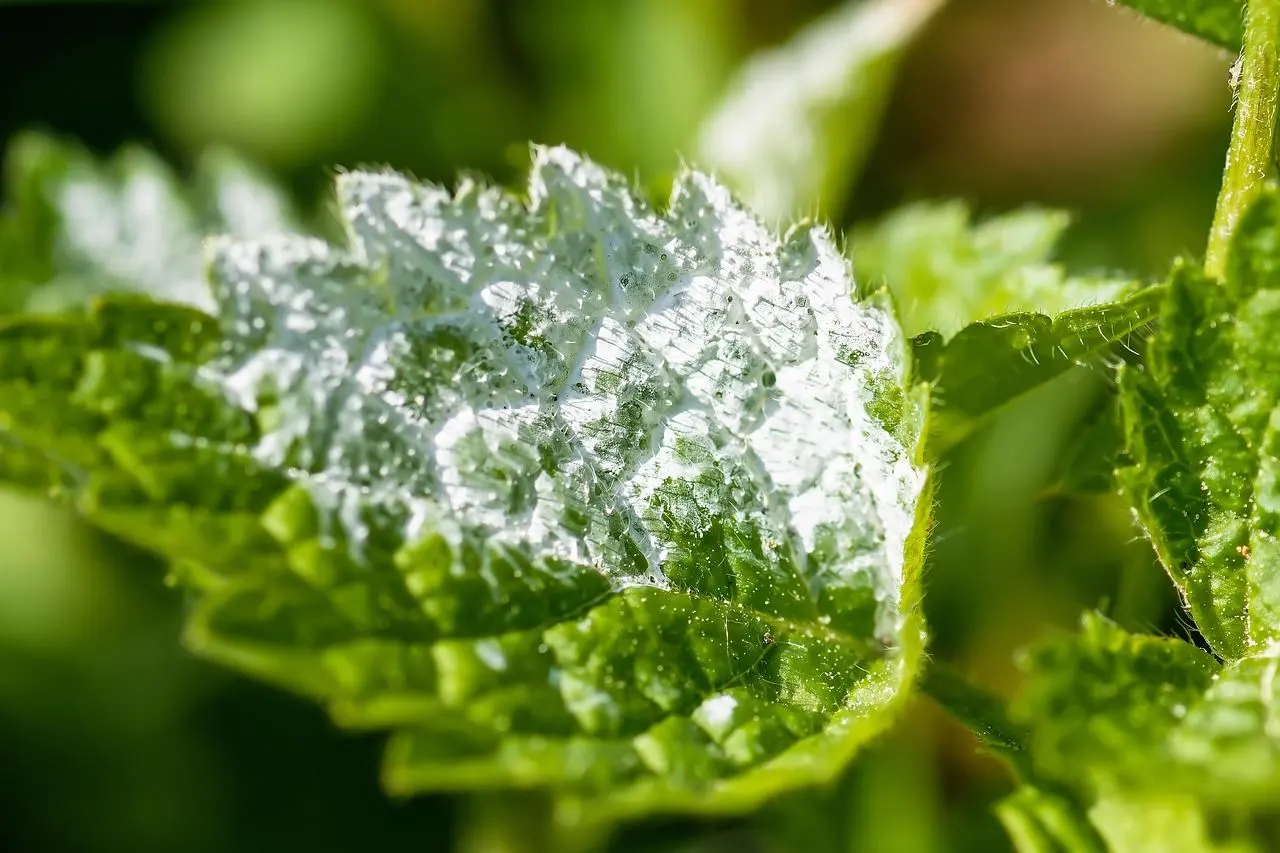
- Powdery mildew is common during hot weather, and many varieties are resistant, so look for these when selecting seed.
For squash bugs, USU Extension recommends hand picking adults, immatures and eggs off leaves. Leaf diseases are usually more common if you grow squash or pumpkins in the same spot more than one year, so rotate your beds (SDSU Extension).
Harvesting and storing pumpkins
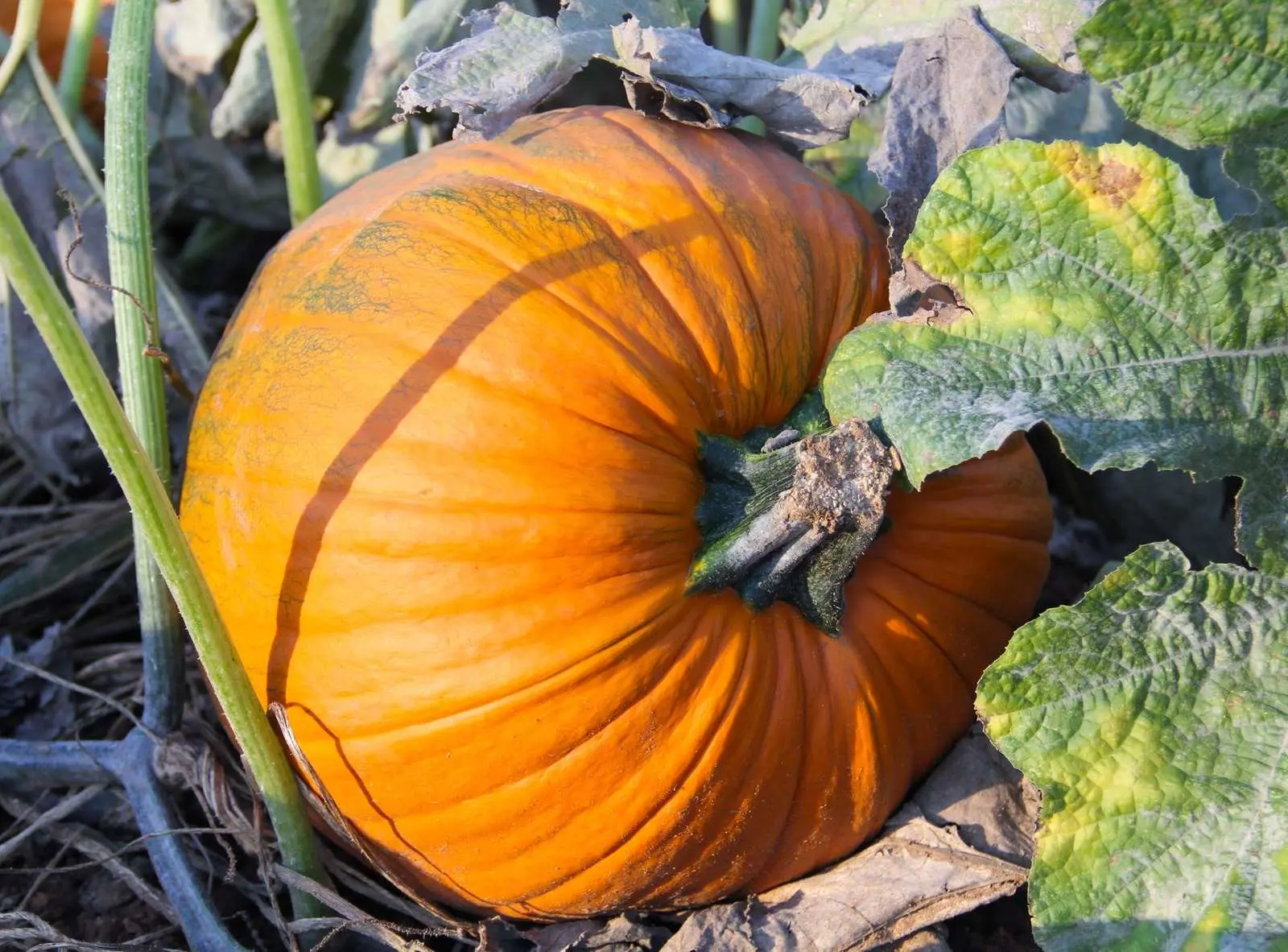
Pumpkins are mature when fully colored, when the vine begins to die back, and when the rind is hard and resists a fingernail, says USU Extension. Fruit takes 45-55 days to mature after flowering.
Cut the fruit with pruning shears or a sharp knife, leaving 3 to 4 inches of stem attached, advises Illinois Extension. Pumpkins without stems usually do not keep well.
A light frost will not damage the skin or flesh but will kill the vines, and temperatures under 28 degrees F, could injure fruit, according to University of Maryland Extension. Plan to cut fruit before a hard frost.
Store pumpkins in a dry building between 50 and 55°F, and keep them out of the refrigerator and damp places (Illinois Extension). Whole, unblemished fruit can last 3 to 6 months. Ripeness cues differ a little between squash, so see our guide on when to harvest winter squash if you grow more than pumpkins.
Frequently asked questions
Why did my first pumpkin flowers drop without making fruit?
Show answer
The earliest blooms are almost always male, and a male flower lasts one day before it falls off, says Illinois Extension. Male blooms can appear for 1 to 2 weeks before the first female ones, according to University of Maryland Extension. Look for a tiny swelling under the flower to spot the females.
Can I plant pumpkins next to squash and gourds?
Show answer
Yes, unless you plan to save seed. SDSU Extension says cross-pollination only affects the seed and next year’s plant, not this season’s fruit.
How do I grow a giant pumpkin?
Show answer
Choose a jumbo variety such as ‘Atlantic Giant’, ‘Big Max’ or ‘Big Moon’, which need about 4 months to reach huge size, says University of Maryland Extension. USU Extension adds that each hill needs at least 100 square feet, and that you should remove the first two or three female flowers and let only one fruit develop.
Can pumpkins grow in containers?
Show answer
Smaller varieties can potentially be grown in large containers, but most do better in the ground, says the Royal Horticultural Society. Even compact bush types take up at least one square metre.
How long do pumpkins take to ripen?
Show answer
Most varieties need more than 100 days, according to University of Maryland Extension. That is counted from planting, so sow on time and give vines a long, warm season.