Not sure which squash belongs on your plate or in your garden? The summer squash vs winter squash answer is maturity: summer squash is picked young with soft skin, winter squash mature with a hard rind.
For the wider picture, read the guide to types of squash.
| Item | Value |
|---|---|
| Summer squash, time to mature | 35 to 45 days |
| Winter squash, time to mature | 80 to 120 days |
| Summer squash in the refrigerator crisper | 3-5 days |
| Winter squash at room temperature | 2-3 months |
| Large, hard-rind winter squash at 50-55°F | up to 6 months |
These figures come from Colorado State University Extension and the University of Georgia CAES Field Report. They can change and vary with variety and conditions, so check the sources before you rely on them.
What is the difference between summer squash and winter squash?
The two groups are close relatives. Washington State University Extension places summer squash, winter squash and pumpkins in the same cucurbit family, alongside cucumbers, melons and gourds.
What separates them in practice is maturity at harvest. WSU Extension describes the practical difference as the maturity of the fruit and how long it can be stored before eating, and Illinois Extension sorts all squash into these two categories.
According to Colorado State University Extension, summer squash is soft-skinned and typically eaten soon after harvest. It is picked from bush-type plants while immature, which prevents a hard rind from forming. Winter squash comes from low-growing vines and is eaten at the mature fruit stage.
That source adds a useful caveat: some squash grow on vines and others on bushes, so the groups are only loosely defined. In daily use, these are the differences you will notice:
- Skin: soft and edible-looking on summer squash, thick and hard on winter squash.
- Harvest stage: immature for summer types, fully mature for winter types.
- Plant habit: bush-type plants for summer squash, low vines for winter squash.
- Keeping time: days for summer squash, months for winter squash.
Growing and harvest: days to maturity
Both groups are warm-season crops. The University of Georgia advises planting them only once soil temperatures reach 60 to 65 degrees Fahrenheit.
After planting, the timelines split. The same UGA report says summer squash takes 35 to 45 days to mature, while winter squash takes 80 to 120 days.
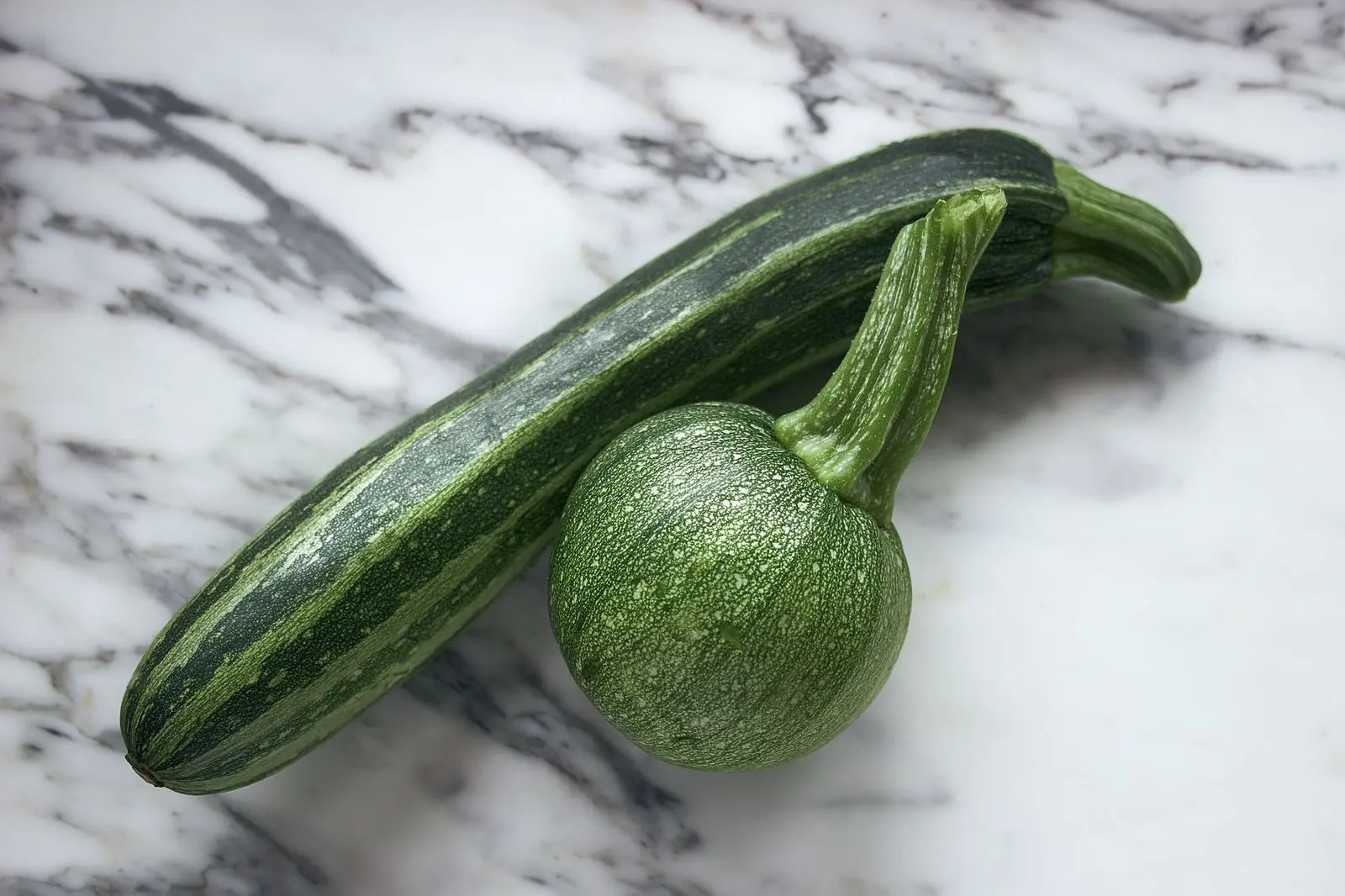
Summer squash is picked small. UGA gives an optimal size of 4 to 6 inches long and 1.5 inches in diameter and says it is generally harvested every other day. Utah State University Extension lists zucchini at 6-8 inches long and scallop or ball types at 3-4 inches in diameter, so treat size as a range that depends on the type.
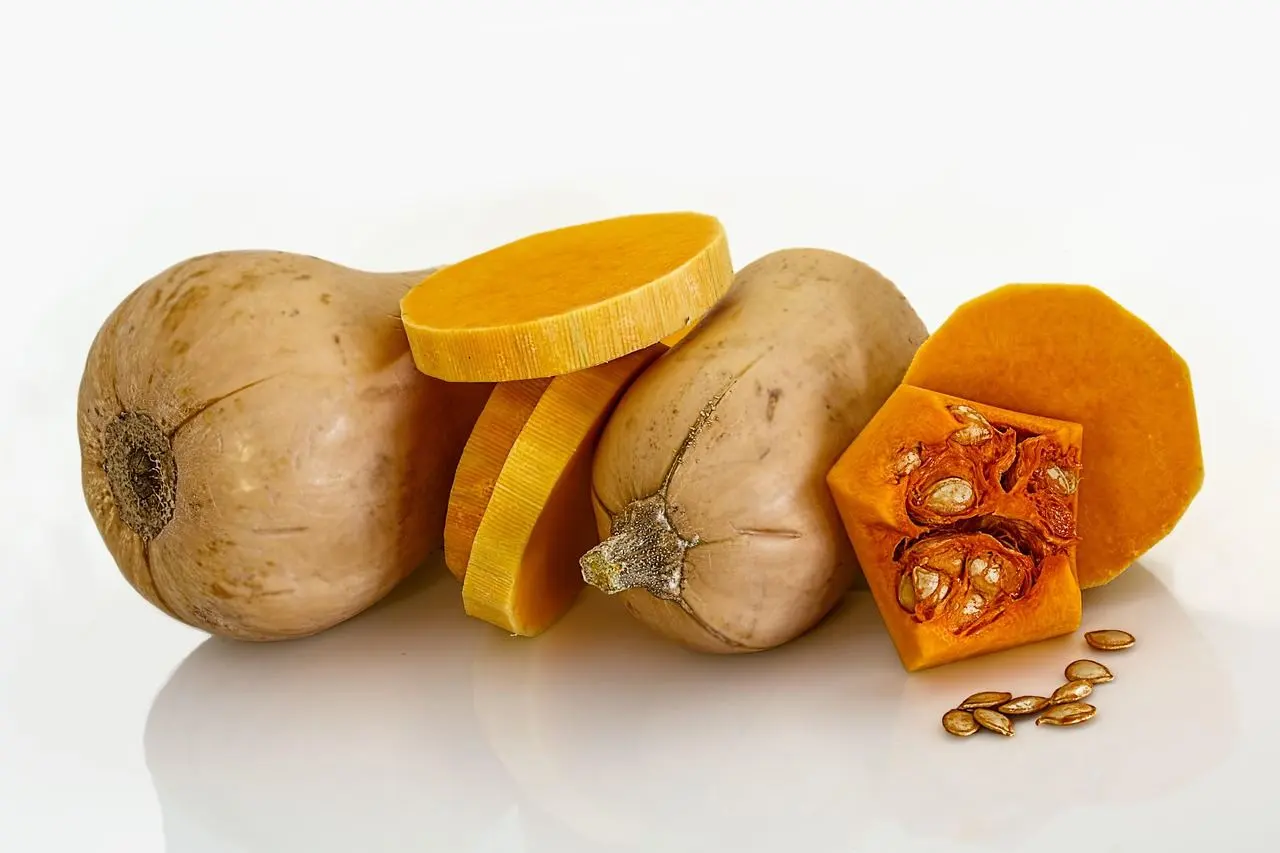
Winter squash is the patient one. UGA says it is harvested when the fruits are fully colored, the vines are starting to die back and the rind resists a fingernail. The Utah guide puts the same test bluntly: if you can scratch the rind with a fingernail, the fruit is still not mature.
Illinois Extension agrees that winter squash should be mature, firm, bright colored and hard-rinded when you pick it, as its storage handout explains.
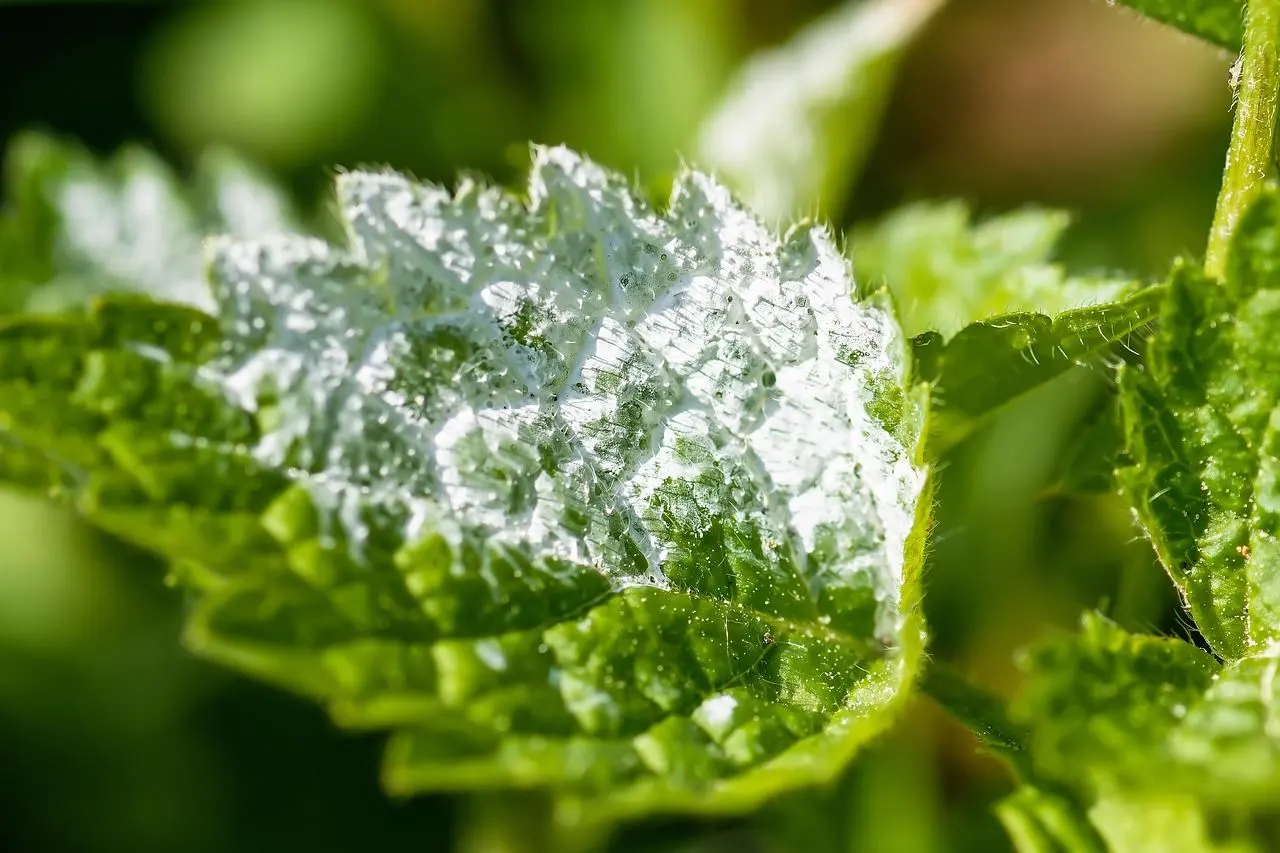
Summer squash plants also tire. The Utah guide advises harvesting a given planting for only 2 to 3 weeks before moving on to another, which it links to keeping quality high and limiting problems from older plants and disease. If leaf disease is your worry, see this page on powdery mildew on squash.
Storage and shelf life
Summer squash is harvested immature, so it bruises and scratches easily. Colorado State University Extension says it keeps in the refrigerator crisper for 3-5 days if you keep it free from moisture. The UGA report is blunter: a shelf life of only a couple of days, unless the squash is blanched and frozen.
Winter squash is built to last. CSU Extension suggests letting fresh-picked fruit sit at room temperature for 10-20 days to cure, then moving it to a cool storage room at 50-55°F. A large, hard-rind squash can then be stored for up to 6 months, while at room temperature winter squash lasts only 2-3 months.
Variety matters too. Illinois Extension lists an average shelf life of 1 to 2 months for acorn, 2 to 3 months for delicata, 3 to 6 months for butternut and 4 to 6 months for red kuri squash.
A few habits protect stored fruit:
- Keep whole squash away from apples, pears and other ripening fruit, because WSU Extension says their ethylene gas causes yellowing and shortens storage life.
- Skip the refrigerator for whole winter squash. WSU Extension says it is too humid and the fruit will deteriorate quickly.
- Refrigerate cut pieces, as WSU Extension advises.
Both types can go in the freezer. CSU Extension gives up to 4 months for either, and for summer squash it recommends young fruit with small seeds and a tender rind.
Flavor, cooking and nutrients
Winter squash has a nutty flavor, according to UGA, and can be baked, steamed, simmered or mashed. WSU Extension notes that the dry heat of roasting lets the natural sugars caramelize and the texture turn creamy and dense. It puts roasting at 45-60 minutes, against less than 15 minutes for sautéing, as its winter squash guide explains.
Summer squash is milder. A UGA extension author writes that most summer squash, zucchini included, taste fairly bland until seasoned with garlic, basil, onion powder or similar flavorings. That is one reason zucchini turns up in breads, or raw in salads and with veggie dip, as the UGA Field Report notes.
Nutrient content varies. CSU Extension says the nutritional properties of squash range greatly with variety and maturity. Summer squash contains slightly fewer nutrients than winter squash because it is harvested immature, though it is high in fiber, potassium, folate and vitamin C. The flesh of orange squash such as butternut is high in beta-carotene.
Common varieties in each group
Summer squash covers the soft-skinned fruits you eat soon after picking. The Utah guide names these types:
- Zucchini
- Patty pans, which UGA describes as a yellow squash shaped like a star or scallop
- Crooknecks
- Ball types
Winter squash is a far bigger group. WSU Extension counts more than 350 varieties grown in North America alone and lists familiar ones in its winter squash overview:
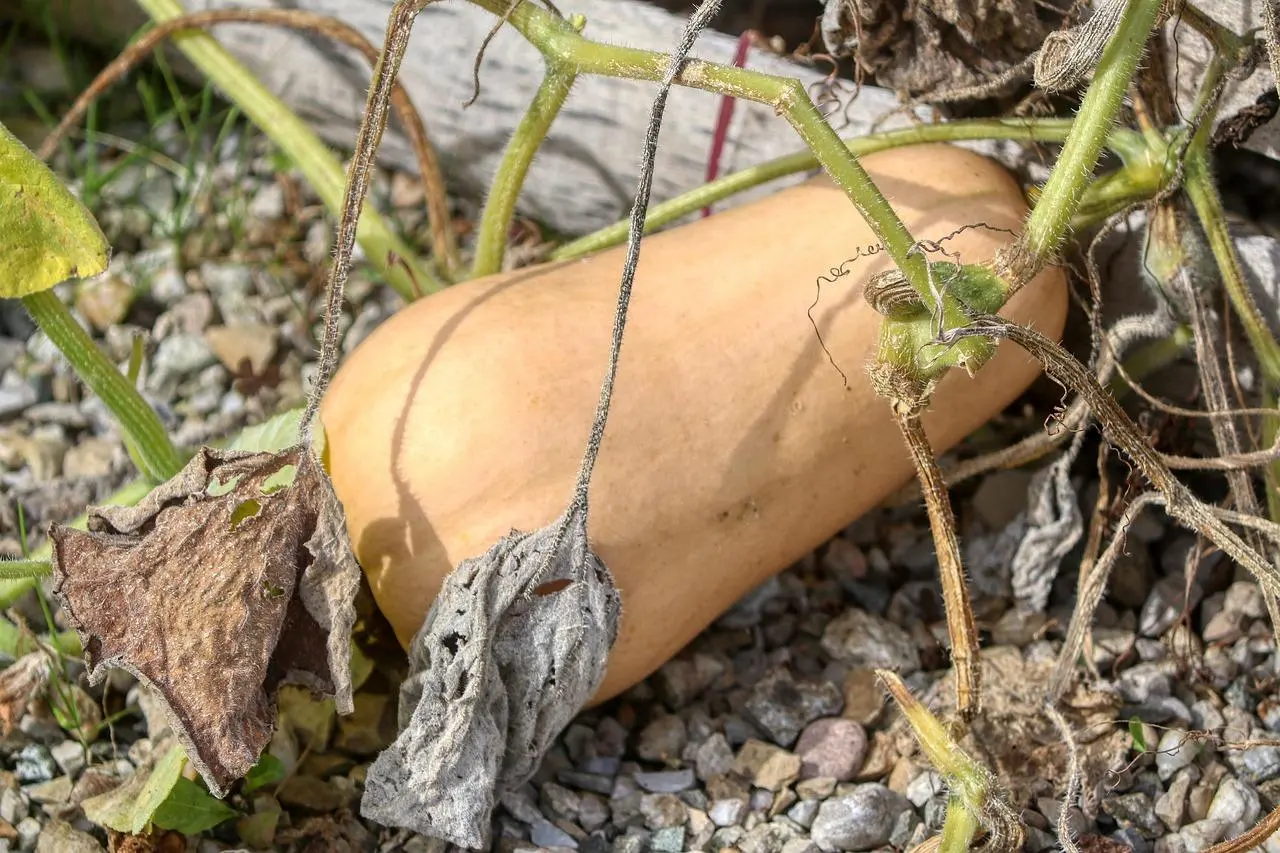
- Acorn, banana and butternut
- Carnival, delicata and Hubbard
- Kuri (known as red kuri squash), kabocha and spaghetti
- Sweet meat, turban and pumpkin
Pumpkins raise their own questions, which the page on squash vs pumpkin covers in detail.
Frequently asked questions
Is zucchini a summer squash or a winter squash?
Show answer
Summer squash. UGA describes zucchini as simply a green summer squash, and it is picked while the skin is still tender.
Is a pumpkin a winter squash?
Show answer
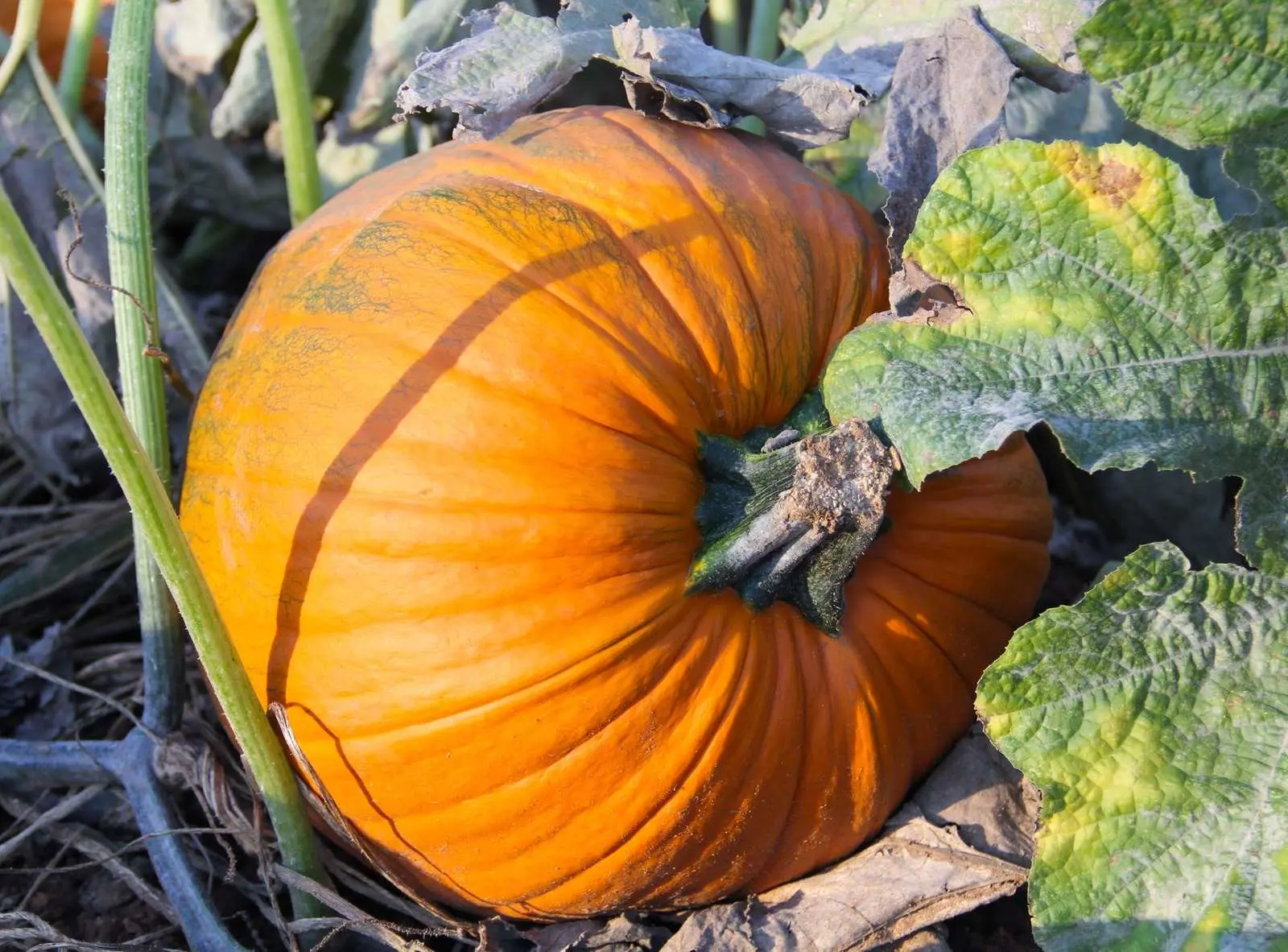
Generally yes. WSU Extension states that what most people call pumpkins are cultivars of winter squash.
How can you tell whether a winter squash is ready to pick?
Show answer
Press a fingernail against the rind. If it leaves a scratch, wait longer; a rind that resists the nail, plus deep, matte color, signals maturity according to the WSU Extension guide.
Can you freeze both kinds?
Show answer
Yes. CSU Extension says frozen squash, whether summer or winter, is best used within 4 months.