Wondering about squash vs pumpkin? You’re not alone, because the words overlap. Botanically every pumpkin is a squash; in shops, “pumpkin” usually means a round, orange, thick-skinned type, and the name shifts by country.
The wider family tree of these fruits is laid out in the guide to types of squash.
| Item | Value |
|---|---|
| Botanical meaning of “pumpkin” | None: all pumpkins are squash |
| Size of the Cucurbitaceae family | More than 100 genera and over 700 species |
| Domestication of C. pepo squash | 8,000 to 10,000 years ago |
| Weight of a ‘Cinderella Pumpkin’ fruit | Up to 35 pounds |
| Species of the bottle gourd | Lagenaria siceraria (not Cucurbita) |
These figures come from the Missouri Botanical Garden gardening FAQ and a Mother Earth Gardener article. Figures can change, so check the sources before you rely on them.
Is a pumpkin a squash?
In the botanical sense, yes. Mother Earth Gardener sums it up with a simple maxim: all pumpkins are squash, but not all squash are pumpkins.
Where sources differ is on how strictly the word “pumpkin” is defined. The Missouri Botanical Garden says the term has no botanical meaning at all. Mother Earth Gardener, by contrast, says botanists call one group of squash within the species Cucurbita pepo pumpkins, and FoodPrint states there are no firm botanical rules separating the two.
In practice the word is a culinary and cultural label. Purdue Extension says whether a fruit is called pumpkin or winter squash depends more on culture, context and use than on its botanical identity, and CooksInfo calls pumpkin a culinary term for some varieties of winter squash.
How the word pumpkin changes from country to country
The same fruit can carry different names depending on where you buy it. Deep Green Permaculture describes the main patterns:
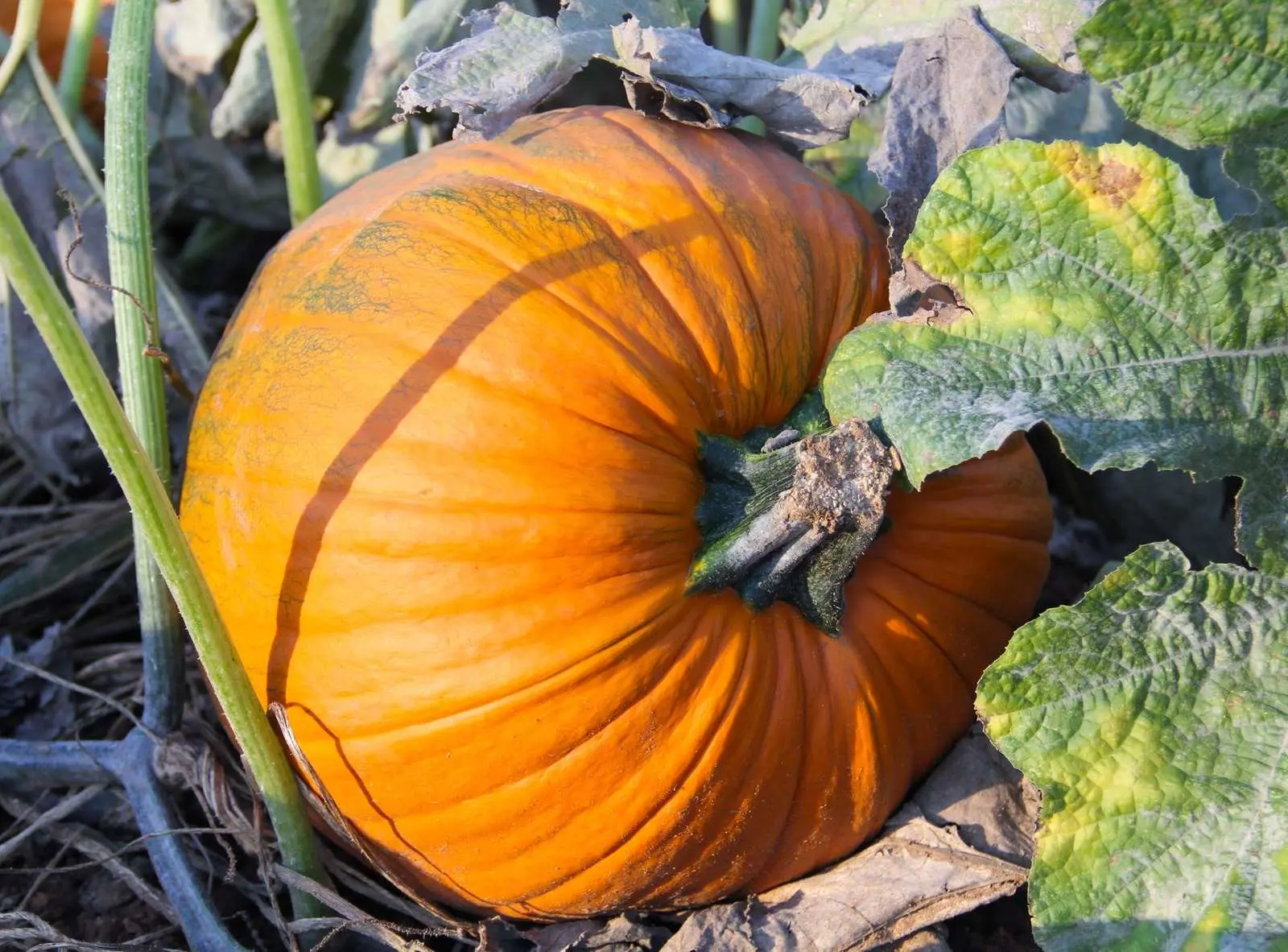
- United States and Canada: pumpkin is generally reserved for hard-skinned winter squash that are round, orange and commonly used for carving or cooking, though it can overlap with squash.
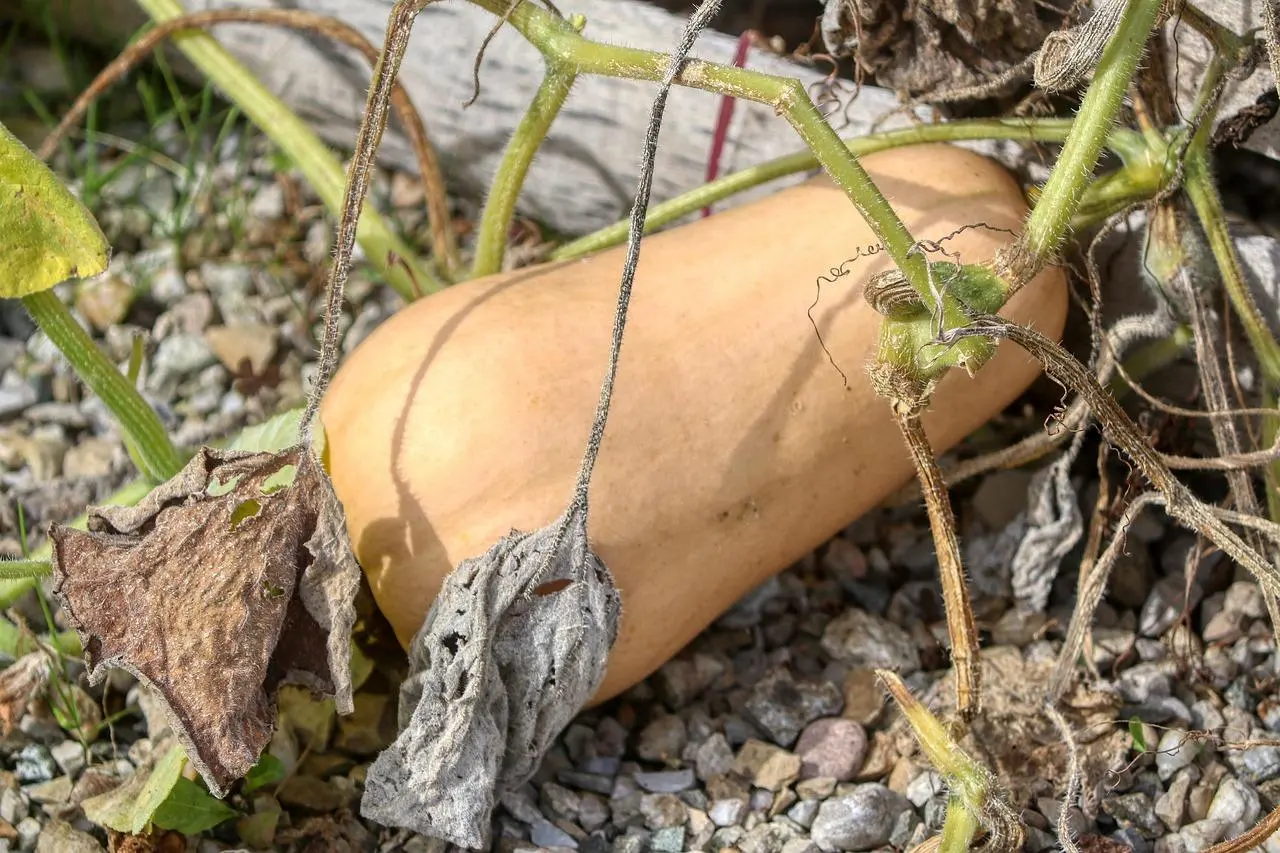
- Australia and New Zealand: pumpkin is the catch-all term for all hard-skinned winter squash, including what North Americans would call butternut squash or acorn squash.
- United Kingdom and Europe: pumpkin is typically reserved for round, orange winter squash, much like the Halloween type.
Squash shifts too. In Australia it refers specifically to small, soft-skinned summer squash, particularly pattypan, which is a much narrower use than in North America.
Language adds another wrinkle. CooksInfo notes that many languages have no separate word for pumpkin and simply use their word for “squash”.
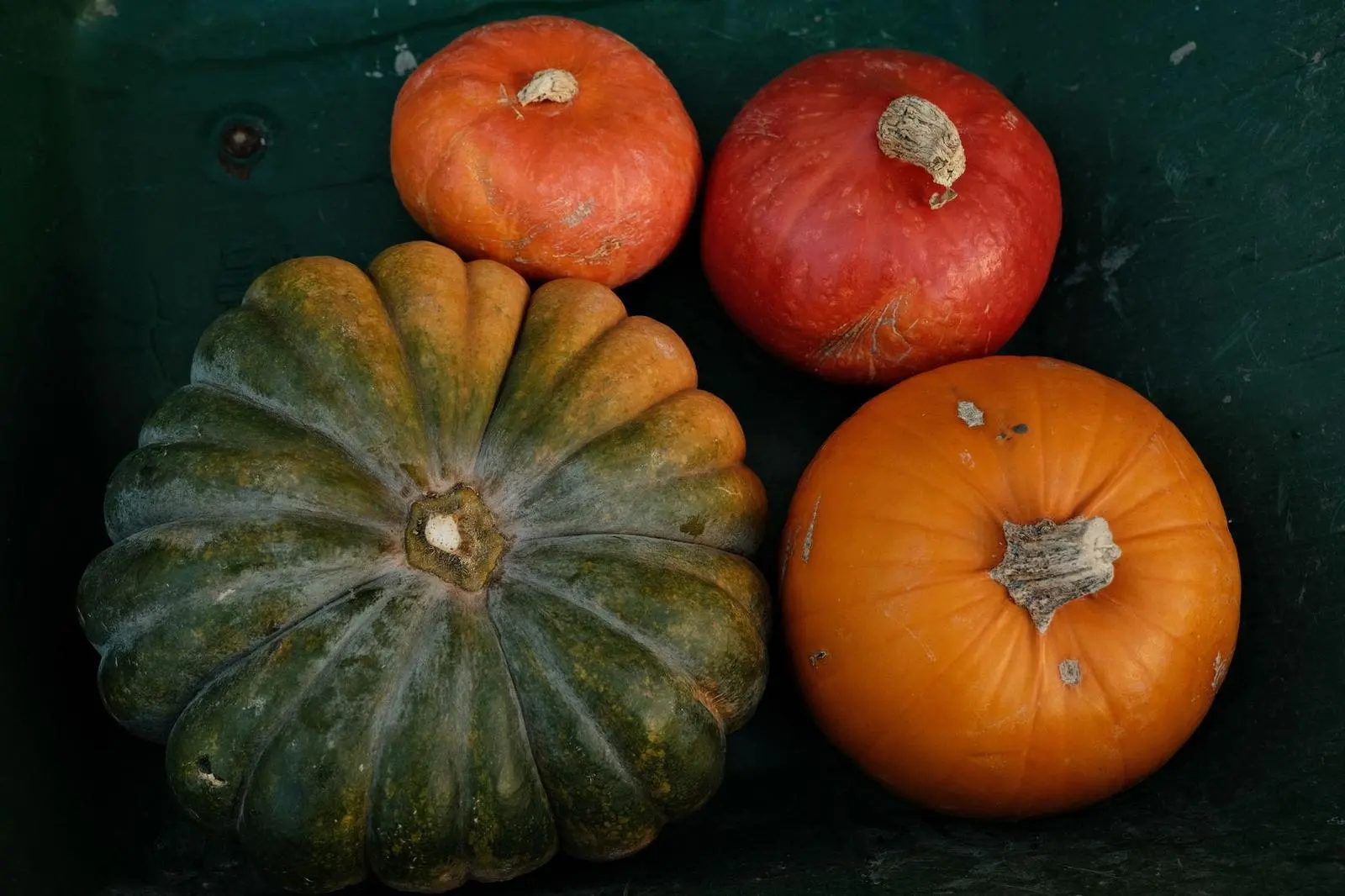
Even within English, the public stretches the word. Mother Earth Gardener says botanists keep it for ribbed orange fruits, while the public has applied it to a wide variety of squash. The ‘Cinderella Pumpkin’ is a large, strongly ribbed, reddish-orange, flattened squash whose fruit can weigh up to 35 pounds.
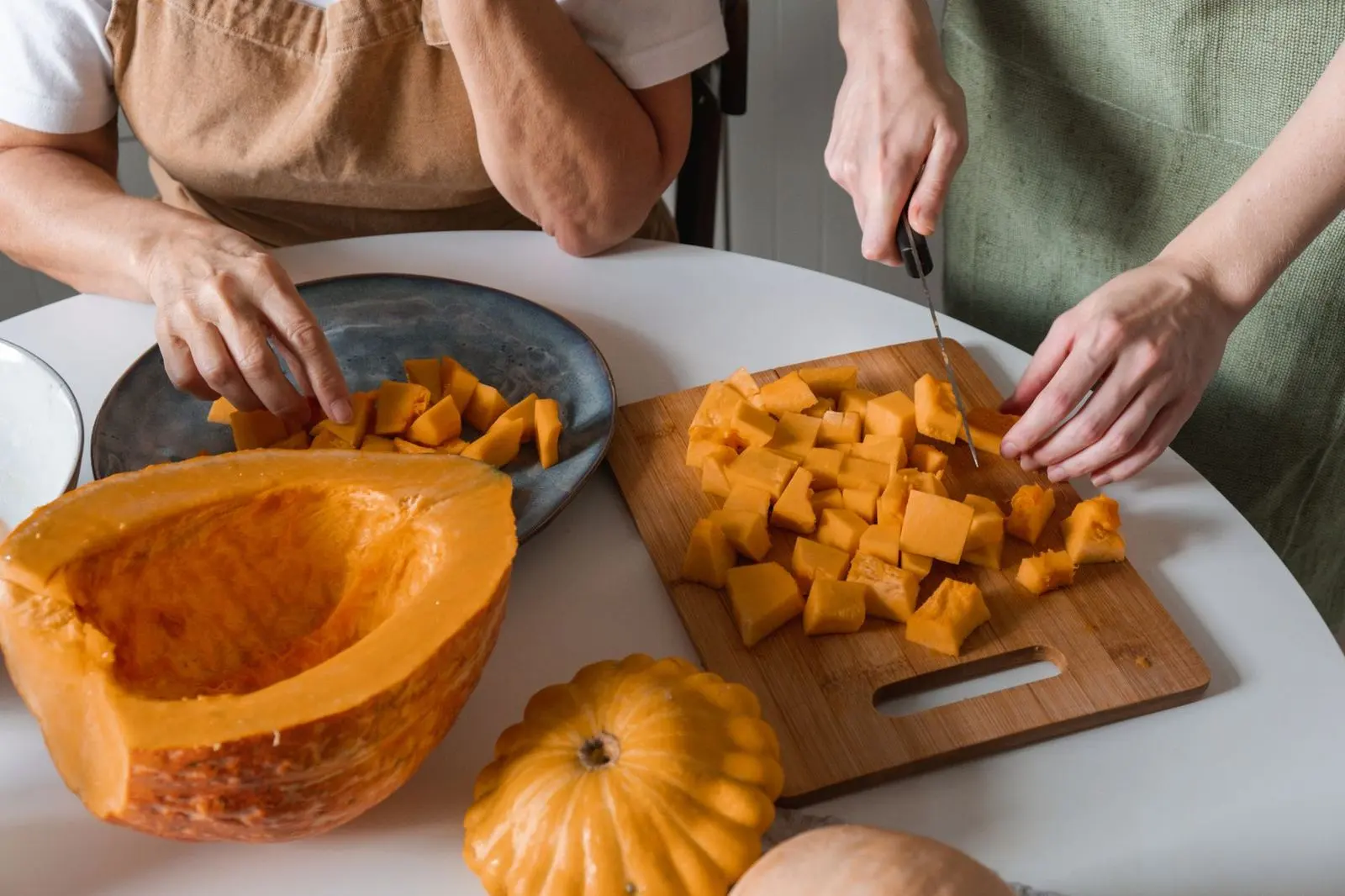
Which species sit behind the word pumpkin?
Pumpkins are not one plant. The Missouri Botanical Garden lists several Cucurbita species that include pumpkins:
- Cucurbita pepo: field, pie, naked-seed and miniature pumpkins, plus acorn squash and ornamental gourds.
- Cucurbita maxima: most of the large, round decorative pumpkins, turban gourds, large hubbards, and banana and buttercup squash.
- Cucurbita moschata: large cheese and crookneck pumpkins, as well as butternut squash.
- Cucurbita argyrosperma: the cushaw pumpkins and winter squash.
The history runs deep. According to Mother Earth Gardener, some 8,000 to 10,000 years ago Native Americans domesticated C. pepo squash from wild gourds in Mexico.
Gourds are a separate case. The Garden defines them as hard-shelled, durable fruit grown mainly for ornament, utensils and general interest. Bottle or dipper gourds are not Cucurbita at all but relatives in the species Lagenaria siceraria.
Where summer and winter squash fit in
Pumpkins belong with the winter squash, which are eaten once the fruit has matured. Mother Earth Gardener explains that summer squash is eaten before the seeds have hardened and the fruit has ripened.
Deep Green Permaculture describes summer squash as soft-skinned types such as zucchini, yellow squash and pattypan, harvested when immature and tender. The two groups are compared in more detail in this piece on summer squash vs winter squash.
Purdue Extension notes that “winter squash” is the term commonly used in the U.S. for squash or pumpkin that is harvested mature and eaten as a vegetable. Its familiar types include acorn, butternut, spaghetti, kabocha and delicata, so a pumpkin and a butternut sit in the same broad group.
Buying, cooking and storing: what actually differs
Flavour is where the labels matter least. FoodPrint says the most common pumpkins taste similar to one another and to other winter squash, and that most commercial pumpkin puree in the U.S. comes from the Dickinson pumpkin, which resembles a large, oblong butternut squash.
When you shop, the same checks work for either name, according to FoodPrint:
- For cooking, pick one that feels heavy for its weight, which indicates denser flesh.
- Look for firm skin without mushy or black spots.
- Natural “warts” on some varieties are harmless to shelf life.
Storage is where sources disagree. CooksInfo says pumpkins will not store as long or as well as winter squashes such as acorn, and that a whole pumpkin keeps at room temperature for about a month, or several months in a cool, dry basement. FoodPrint adds that properly cured pumpkins can be stored for months, and the guide on how to store winter squash covers the practical side.
The crop also has a commercial side. Purdue Extension reports that in 2025 about 7,900 acres of pumpkins were grown in Indiana, second only to Illinois, with jack-o’-lantern types dominating fresh-market sales.
Frequently asked questions
Can I use squash instead of pumpkin in a pie?
Show answer
Often you can. FoodPrint points out that pie filling sold as “pumpkin” is frequently made from varieties that people in the U.S. would call squash, so a dense-fleshed winter squash is a reasonable stand-in.
Is a gourd the same thing as a pumpkin?
Show answer
No. Gourds are grown mainly for ornament and utensils, and the hardshell bottle gourd belongs to a different genus. Some small ornamental gourds, though, are varieties of Cucurbita pepo, the same species that includes many pumpkins.
Why is butternut called a pumpkin in Australia?
Show answer
Naming habits there treat every hard-skinned winter squash as a pumpkin. A butternut pumpkin in Australia is simply what the US calls butternut squash.
Is a pumpkin a fruit or a vegetable?
Show answer
FoodPrint says that botanically a pumpkin is technically a fruit rather than a vegetable. In the kitchen it is still treated as a vegetable, as Purdue Extension describes for mature winter squash.
Is the Cinderella pumpkin a true pumpkin?
Show answer
It is sold under the name, but it is a flattened, ribbed squash that only vaguely resembles the classic orange pumpkin. Mother Earth Gardener notes that botanists reserve the word for a narrower group.