Wondering what to do with a red kuri squash? It is a small, orange winter squash with a mild, chestnut-like flavour, easy to bake with the skin on, and it grows well in sunny, rich soil.
Red kuri squash is one member of a much larger family, and the guide to types of squash shows how it compares with other varieties.
| Item | Value |
|---|---|
| Species | Cucurbita maxima |
| Other names | Orange Hokkaido, Japanese squash |
| Growing season it suits | 100 days or more |
| Typical harvest timing | Mid-autumn, typically 100 to 110 days after sowing |
| Spacing for direct-sown seeds | 8 feet (2.5 m) apart on all sides |
| Storage temperature | 50 to 60°F (10 to 15°C) |
The figures come from Wikipedia’s red kuri squash entry and Nature & Garden’s growing guide. They can change and vary with climate and variety, so check the sources before you rely on them.
What is red kuri squash?
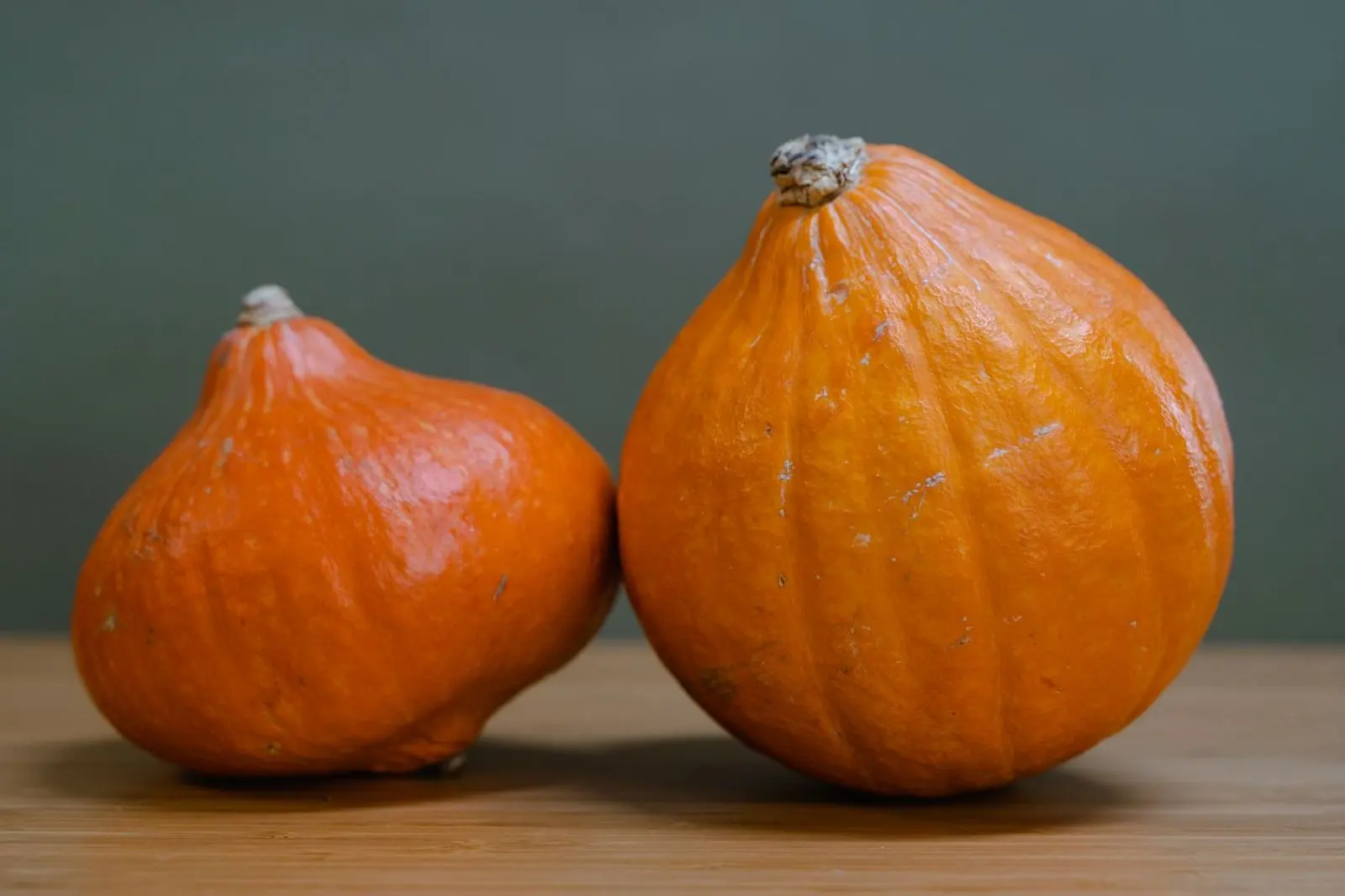
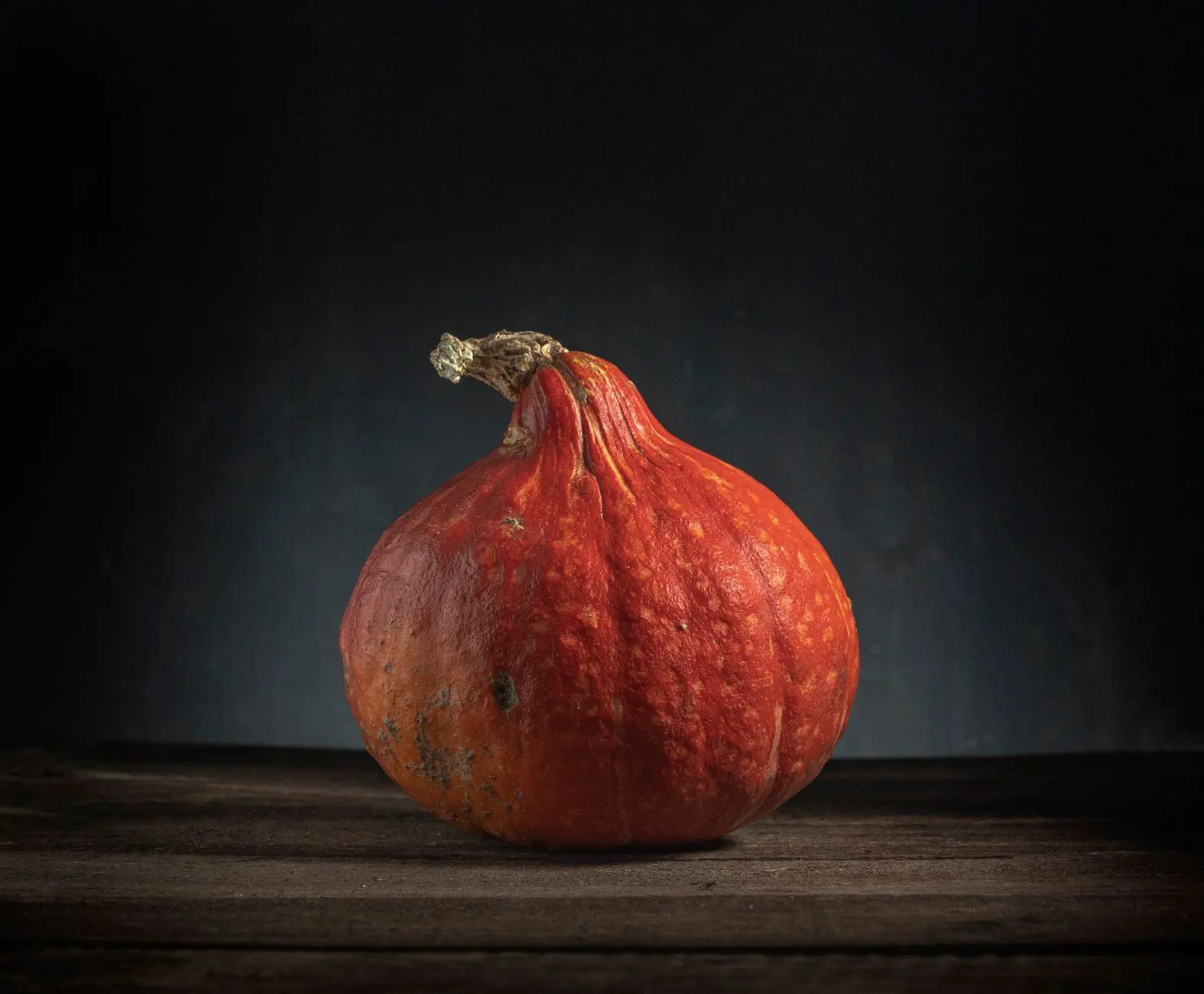
Red kuri squash is a thin-skinned, orange winter squash and a cultivated variety of Cucurbita maxima, as Wikipedia describes it. It looks like a small pumpkin without the ridges and belongs to the Hubbard squash group.
Nature & Garden notes that red kuri is not a pumpkin but belongs to the species of the giant show pumpkins. The stem separates the two: maxima has a soft, round, corky stalk, where a true pumpkin has a hard, ridged, five-sided one. The same page lists Orange Hokkaido and Japanese squash as other names.
Flavour and texture
The flesh is firm, and Wikipedia describes the taste as a very delicate and mellow, chestnut-like flavour. The name fits: in Japan, the word kuri may refer to either the squash or to Japanese chestnuts.
Sweetness keeps developing after picking. Nature & Garden says the flesh gets sweeter for six to eight weeks as starch turns to sugar in store. A squash cut in mid-autumn can therefore taste flat, while the same fruit tastes of chestnut by early winter.
What to expect from the fruit, according to Wikipedia:
- Shape: teardrop-shaped fruits, usually three on each vine.
- Flesh: firm and yellow, often with a green tint under the seeds.
- Rind: a hard outer skin on a winter variety, which softens when cooked.
Cooking and using red kuri squash
Full-flavoured and sweet, red kuri squash is often cooked with butter and herbs, Wikipedia reports. The same entry lists a wide range of uses:
- Baked, boiled, microwaved, steamed, sautéed or fried.
- Soups, stews and casseroles.
- Cakes, quick breads, muffins, cookies, jams and pies, thanks to the nutty-tasting flesh.
- Stir-fries, where it adds sweetness and texture.
- Stuffed, since the seed cavity suits a filling.
The skin softens completely in the pot or oven, which means peeling is unnecessary. That saves the most tedious step of preparing many other winter squash.
Spaghetti squash behaves differently, so the steps in how to cook spaghetti squash are worth reading separately.
Growing red kuri squash from seed
Warmth and a long season matter most. Wikipedia says red kuri is widely adapted to climates with a growing season of 100 days or more, and Nature & Garden says the plants prefer rich soil and sunlit spots.
A typical sequence, based on Nature & Garden’s guide:
- Sow in early spring under cover, or in late spring directly in open ground, because the plant loves heat.
- Press 2 to 3 seeds into each nursery pot, then keep only the strongest seedling (source).
- Count roughly 3 weeks before transplanting, and wait until the last frosts are past, since the plant is frost-sensitive (source).
- For direct sowing, place 2 or 3 seeds in each hole, 8 feet (2.5 m) apart on all sides, then thin to the most vigorous seedling (source).
The richer the soil, the more abundant the harvest, and manure or fertiliser can go in at planting, per Nature & Garden. If you also grow a different winter squash, see how to grow butternut squash for that crop.
Flowers, pruning and care
Male flowers open first and in numbers, and only female flowers can set fruit, according to Nature & Garden. A bulge at the base of the flower marks it as female.
If many flowers drop without fruit, you can hand pollinate. Pick a male flower, remove the outer petals, and brush the central stamen round and round inside a female flower.
Pinching stems back sends the plant’s energy into fruit already set, and the guide suggests keeping a single fruit on each branch. Mulch at the base keeps the soil moist and cool, and it stops the squash from touching the soil and rotting.
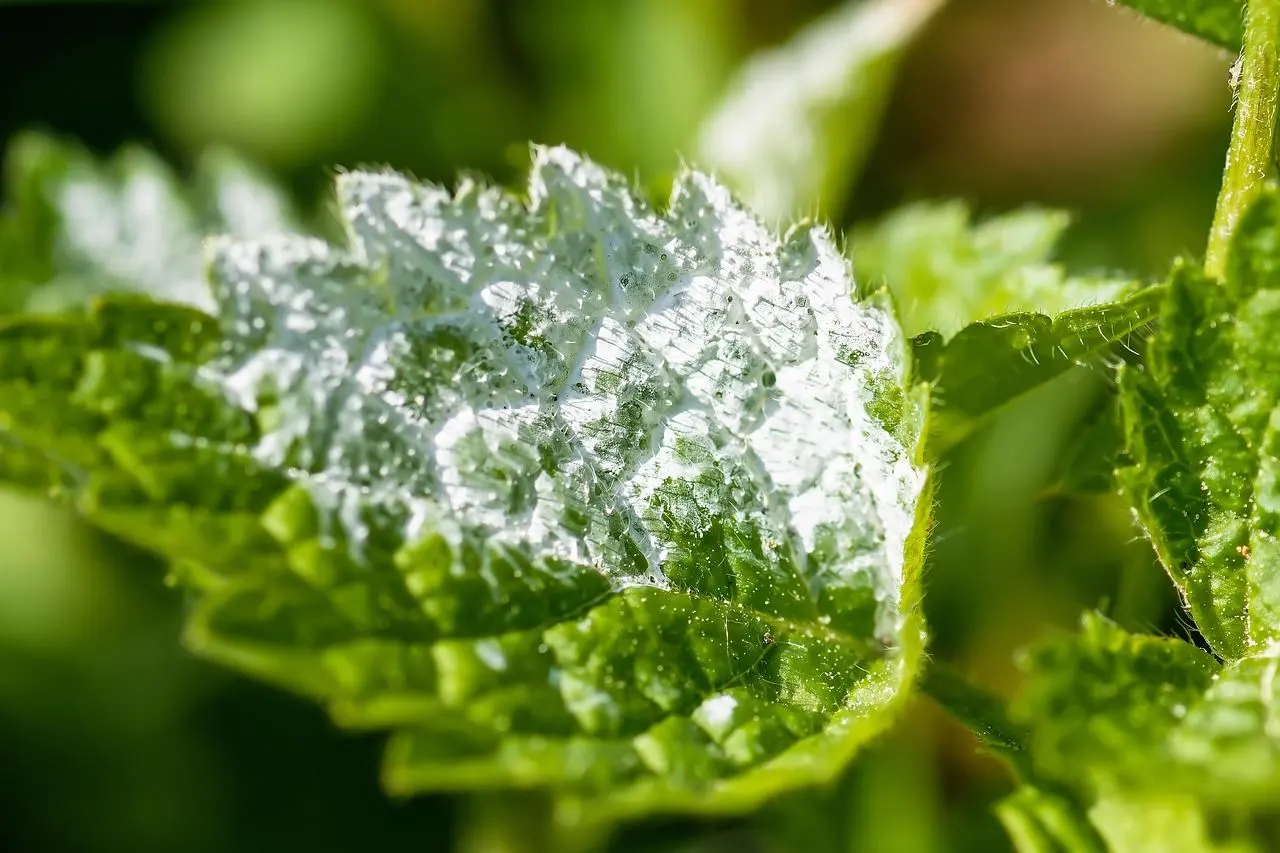
Water regularly in summer and avoid wetting the leaves, which helps prevent powdery mildew. Other problems named include fruit rot, nematode pests and squash bugs.
Harvesting and storing
The guide says four signals show a fruit is ready, and the stalk is the decisive one, because a squash cut before the stalk has corked will not keep. Nature & Garden lists them in the order they appear:
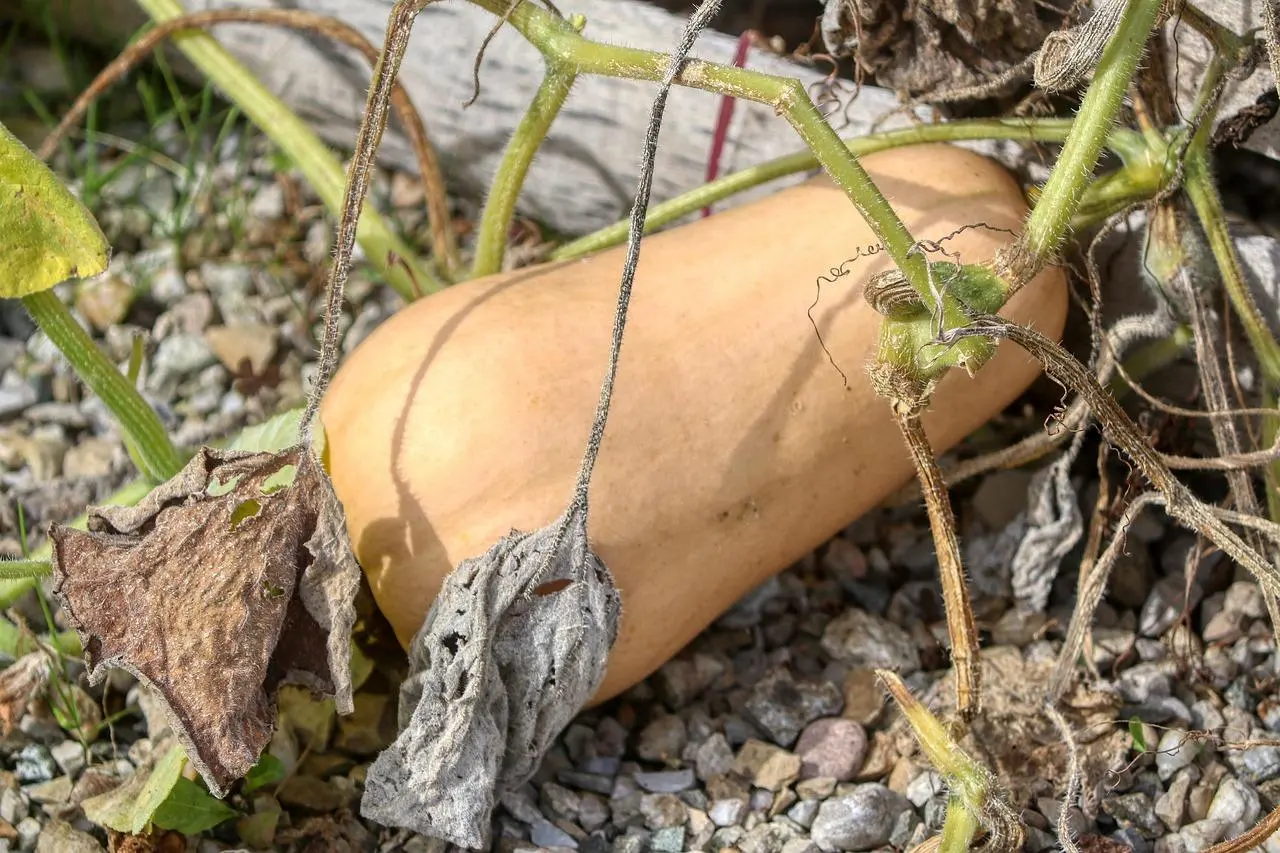
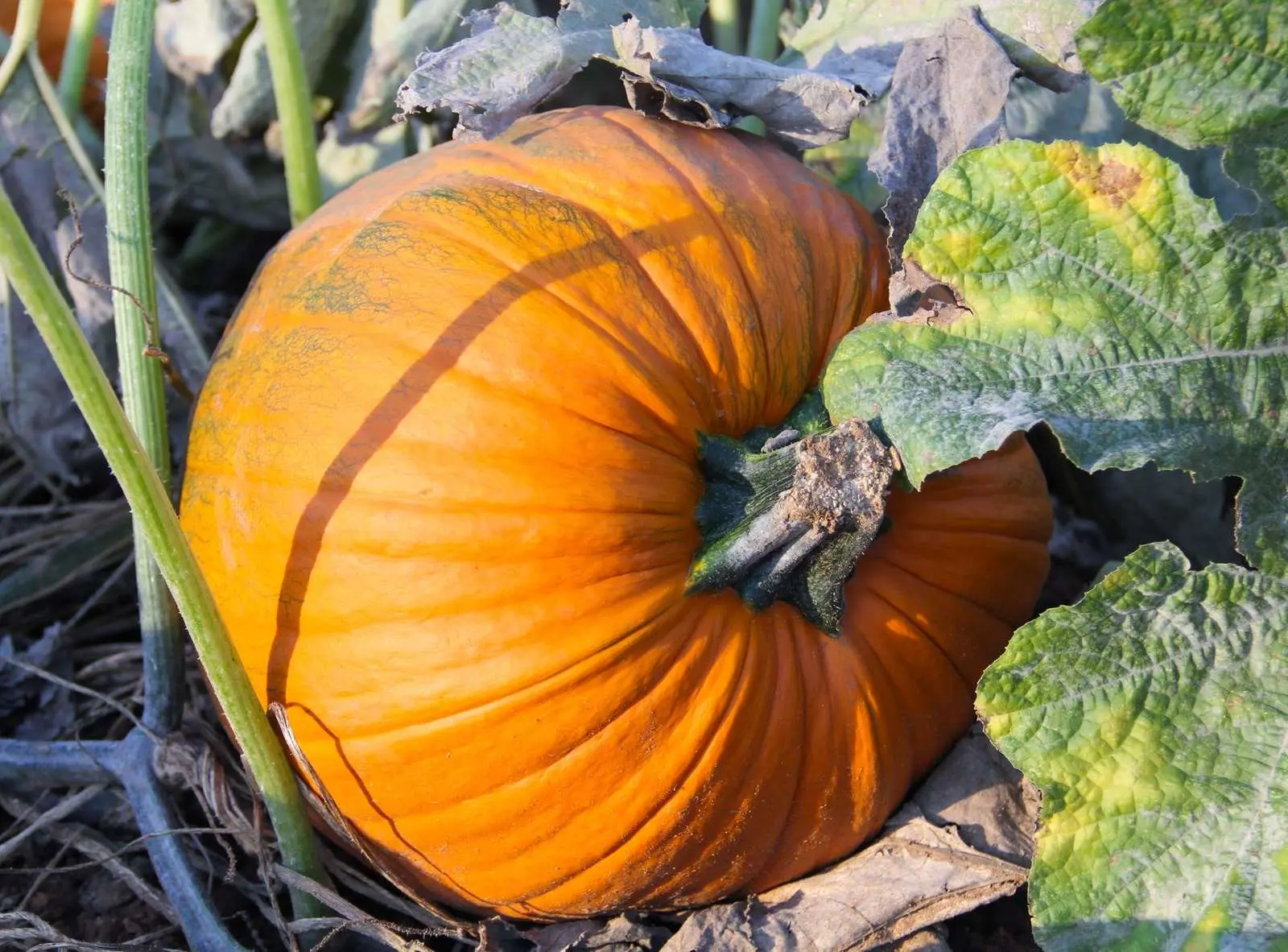
- Deep, even orange colour, with no green patch left, even where the fruit sat on the soil.
- Yellowing leaves dying back on the vine.
- A dried, hardened, pale and corky stalk.
- Skin so hard that a thumbnail pressed into it leaves no mark.
Harvest comes in mid-autumn, typically 100 to 110 days after sowing, and before the first frost, per Nature & Garden. Leave the stem as long as you can when cutting, and never carry a squash by it. Wikipedia adds that the fruit matures about ninety days after blooming.
After picking, Nature & Garden says red kuri can keep for almost a year in a dry room at 50 to 60°F (10 to 15°C). It also suggests destroying leftover leaves and stems, which often carry disease and fungus.
To save seed, wash all flesh away and dry the seeds on a cloth or paper towel for about a week. Store them in a paper envelope, never an airtight container, somewhere cool and dark, and write the year on it because germination is highest in the first year (source).
Frequently asked questions
Is red kuri squash the same as a pumpkin?
Show answer
Not strictly. It is a Cucurbita maxima, a species that also covers giant show pumpkins, and a corky stalk without hard ridges gives it away, according to Nature & Garden.
Do you have to peel it before cooking?
Show answer
Usually not. Heat softens the rind fully, so you can leave it on when roasting or steaming, as Wikipedia notes.
How can you tell when it is ready to pick?
Show answer
Look at the stalk first. A dry, hard, pale and corky one means the fruit has sealed itself, while colour alone is not enough, says Nature & Garden.
How long does it keep?
Show answer
One guide, Nature & Garden, gives close to a year for a dry room held between 50 to 60°F (10 to 15°C). Sweetness also improves during the first weeks in store.