Wondering what will actually survive your garden in the cold? This winter vegetables list starts with Brussels sprouts, kale, leeks, parsnips and cabbage, which the RHS calls robust enough for British winters.
This guide is one part of the wider topic of seasonal vegetables, focused on the crops that cope with the coldest months.
| Item | Value |
|---|---|
| Frost level hardy crops withstand | Below 28°F |
| Frost range semi-hardy crops tolerate | 28-32°F |
| Planting window for cold-hardy crops | Mid-August to early October |
| Day length when most growth slows | Below approximately 10 hours |
| Possible harvest of fava beans, kale or broccoli | By March |
The frost and planting figures come from Oregon State University Extension, and the day-length figure from Harvest to Table. Figures can change and vary by climate, so check the sources before you rely on them.
The winter vegetables list at a glance
The RHS advice on hardy winter vegetables names a core group of robust crops that keep a supply going through the cold months. Its notes describe each one briefly:
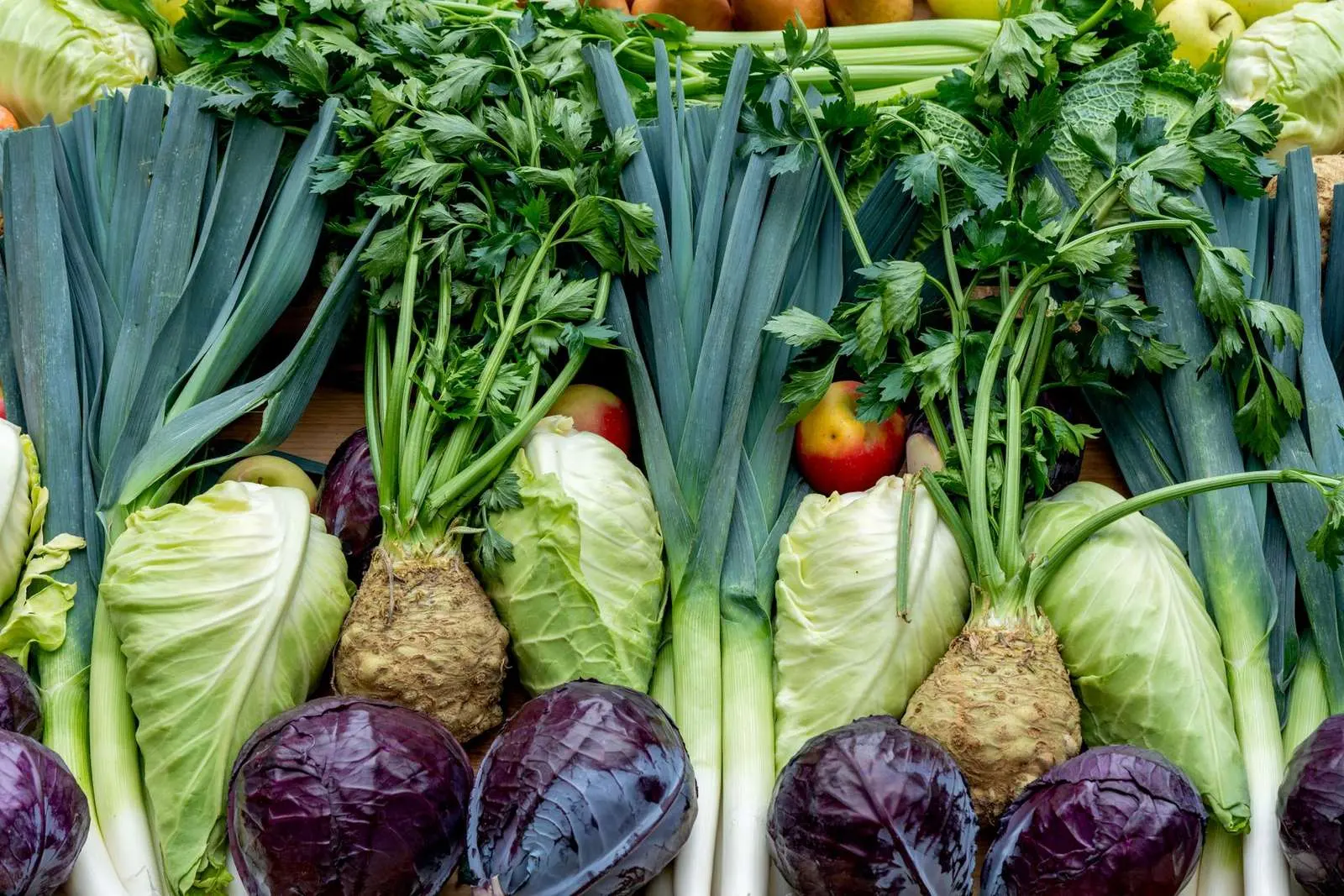
- Brussels sprouts: a classic for Christmas that can withstand harsh winter weather where they grow.
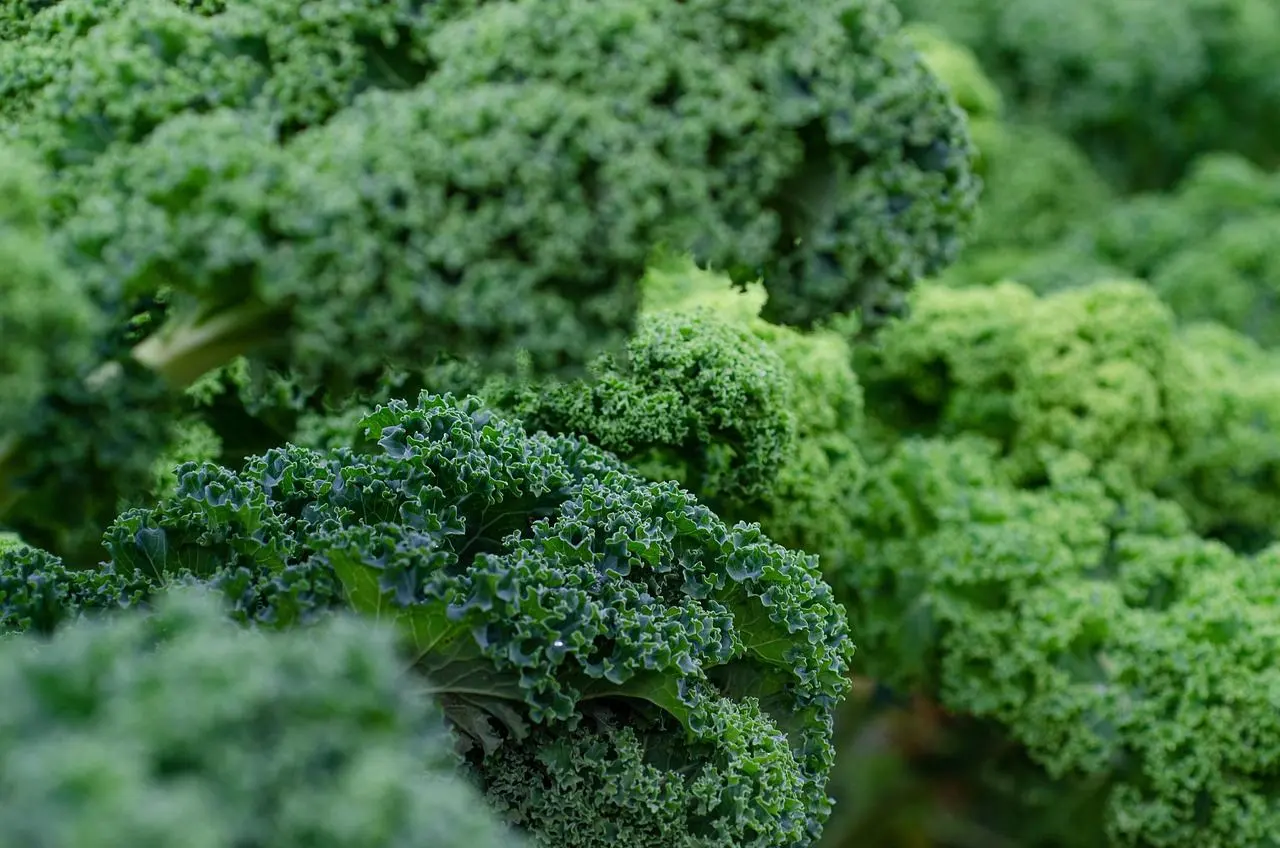
- Kale: greens all winter, then a flush of tasty shoots in late winter or spring.
- Leeks: they look a bit sick after sharp frosts but rebound, growing slowly all winter.
- Savoy and ‘January King’-type cabbages: remarkably hardy and shrugging off frost.
- Parsnips: resistant to frost.
- Sprouting broccoli: shrugs off hard weather and, when the air warms in late winter, sends up shoots for weeks.
The same page adds purple ‘Cape’ cauliflowers, which produce small heads in February. For roots beyond parsnips, it points to scorzonera, salsify and hamburg parsley as other very hardy choices.
Hardy or semi-hardy: how much frost can each crop take?
Oregon State University Extension sorts winter crops into two groups. Vegetables that can withstand heavy frost, meaning below 28°F, are listed by OSU Extension as:
- Leafy crops: spinach, kale, collards, corn salad, arugula and mustard greens.
- Brassicas and stems: broccoli, cabbage, Brussels sprouts and kohlrabi, plus rhubarb.
- Alliums: onions, garlic and leeks.
- Roots and legumes: rutabaga, turnip, radish, fava beans and Austrian winter pea.
The semi-hardy group tolerates only light frost, between 28-32°F, according to the same OSU Extension article. It includes:
- Roots: beets, carrots and parsnip.
- Salads and greens: lettuce, chard, endive, radicchio, Chinese cabbage and parsley.
- Others: garden pea (before flowering), cauliflower and celery.
Cold alone is rarely the end of a crop. OSU notes that cold weather does not kill hardy vegetables; it simply slows their growth.
Root crops that wait in the ground
Roots are among the easiest winter harvests because the part you eat sits below the frost. For beets, carrots and parsnips, the tops may die back, but the roots survive, as OSU Extension explains.
Cold can also improve flavour. Harvest to Table says cold temperatures convert stored starches into sugars, making winter carrots especially sweet, and that late autumn plantings may require 80 to 100 days before reaching full size.
Parsnips need one extra step if you want to dig them in a hard spell. The RHS suggests an insulating duvet of bin liners filled with cardboard, or a 15-20cm (6-8in) layer of straw, to stop the ground freezing solid.
If you lift roots before a hard freeze rather than leaving them in place, the guide on how to store root vegetables covers keeping them.
How can you protect winter crops?
Hardy plants still benefit from shelter, mostly from wet rather than from cold. Harvest to Table notes that many gardeners are surprised to learn cold kills fewer vegetables than wet soil and repeated freeze-thaw cycles. Good drainage therefore matters as much as the thermometer.
OSU Extension adds that in most of Oregon, heavy rains are a greater challenge than low temperatures. Its recommended protections are:
- High or low tunnels made from hoops and clear plastic.
- Row covers or cloches.
- A mulch of yard debris, cardboard or newspaper to warm the soil.
The same OSU article observes that vegetables containing anthocyanin, the red or purple pigment, tend to resist rots caused by winter rains. Purple-sprouting broccoli and purple kale are two examples.
Pests do not stop for winter either. The RHS lists slugs, snails, aphids and pigeons as the ones to watch.
Daylight, planting time and the late-winter harvest
Day length can limit winter growth more than temperature. Harvest to Table says that when daylight falls below approximately 10 hours, most vegetables slow dramatically or stop producing significant new growth. Plants stay healthy and harvestable, but they mostly hold rather than grow.
That is why timing falls in late summer and autumn. OSU Extension says planting cold-hardy vegetables from mid-August to early October, depending on the crop, gives a good likelihood of something to harvest in spring, with fava beans, kale or broccoli possible by March (source).
For crops that finish before frost arrives, the autumn vegetables list is the companion to this one.
Frequently asked questions
Which winter vegetables cope best with frost?
Show answer
Spinach, garlic, kale and Brussels sprouts all appear in the heavy-frost group of OSU Extension. Among roots, parsnips are the crop the RHS singles out as resistant to frost.
Can carrots stay in the ground over winter?
Show answer
Carrots sit in the semi-hardy group, so a sharp freeze may kill the foliage while the root below survives, per OSU Extension. A mulch helps in colder spots.
Is winter vegetable growing reliable?
Show answer
Not always. A vegetable breeding specialist quoted by OSU Extension says a crop may work in a mild winter but fail when the weather turns more severe.
What eats winter crops?
Show answer
Slugs, snails, aphids and pigeons are the pests the RHS mentions for hardy winter vegetables, so check brassica leaves regularly.