Wondering how to store root vegetables so your harvest lasts past winter? Keep them cold, humid and unfrozen, at roughly 32 to 35°F, with tops trimmed and soil brushed off.
This guide is part of the seasonal vegetables section of the site.
| Item | Value |
|---|---|
| Cold-storage temperature for carrots, beets, rutabagas and turnips | 32 to 35°F |
| Average storage life of carrots | 4 to 6 months |
| Average storage life of beets | 1 to 3 months |
| Average storage life of rutabagas | 2 to 4 months |
| Average storage life of turnips | 4 to 5 months |
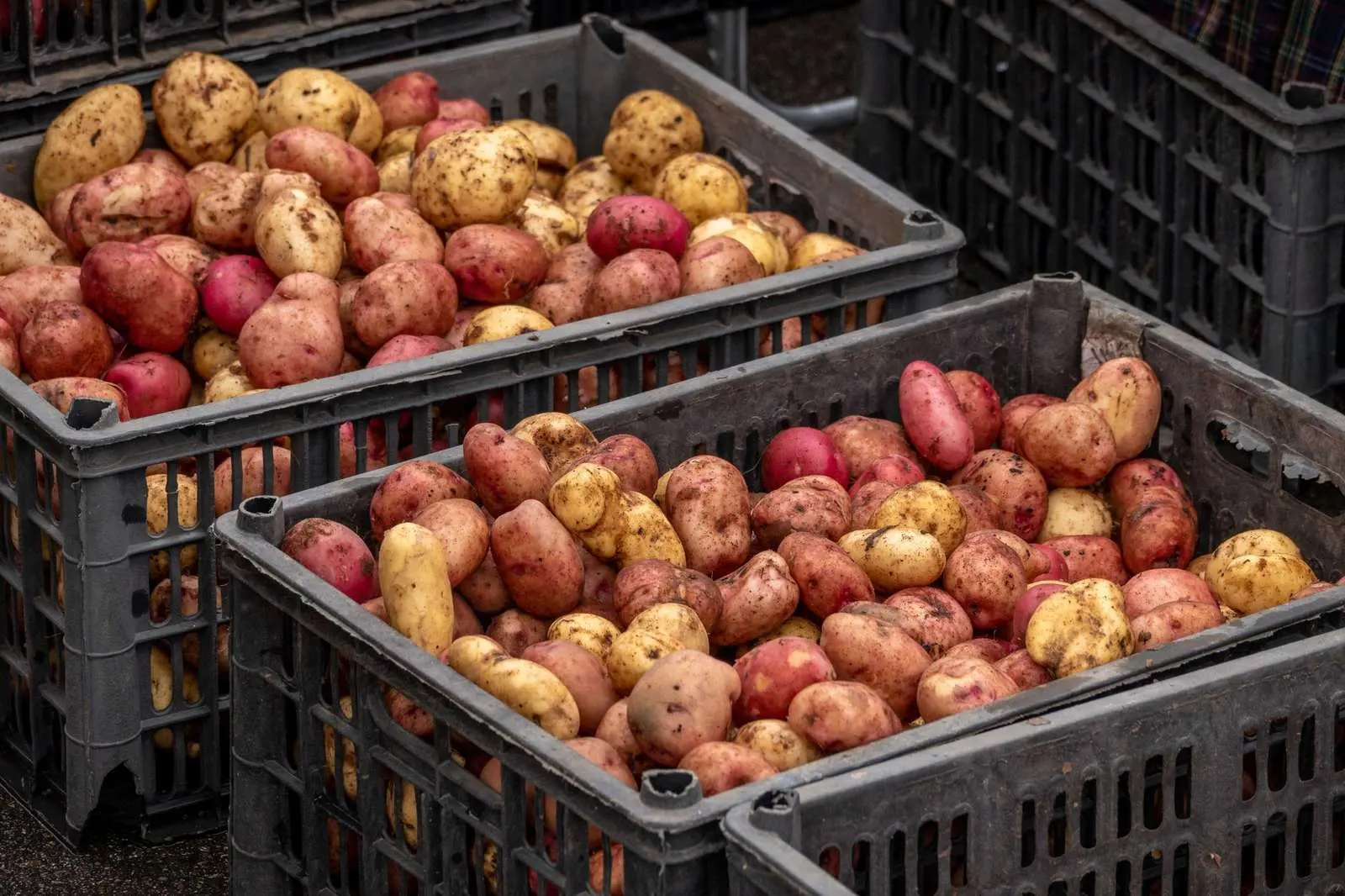
| Average storage life of potatoes | 5 to 8 months |
These figures come from Iowa State University Extension. They are averages and can change, so check the source before you rely on them.
What do root vegetables need to keep?
Stored roots are still alive, so good storage is about slowing them down. Washington State University Extension describes it as a control system that cuts respiration, which uses up energy, and limits transpiration, which dries the crop out (WSU Extension).
Most roots belong in the cold and very moist group, which WSU Extension sets at 32-40 degrees F and 90-95% humidity (WSU Extension). That group covers:
- beets and carrots
- parsnips, rutabagas and turnips
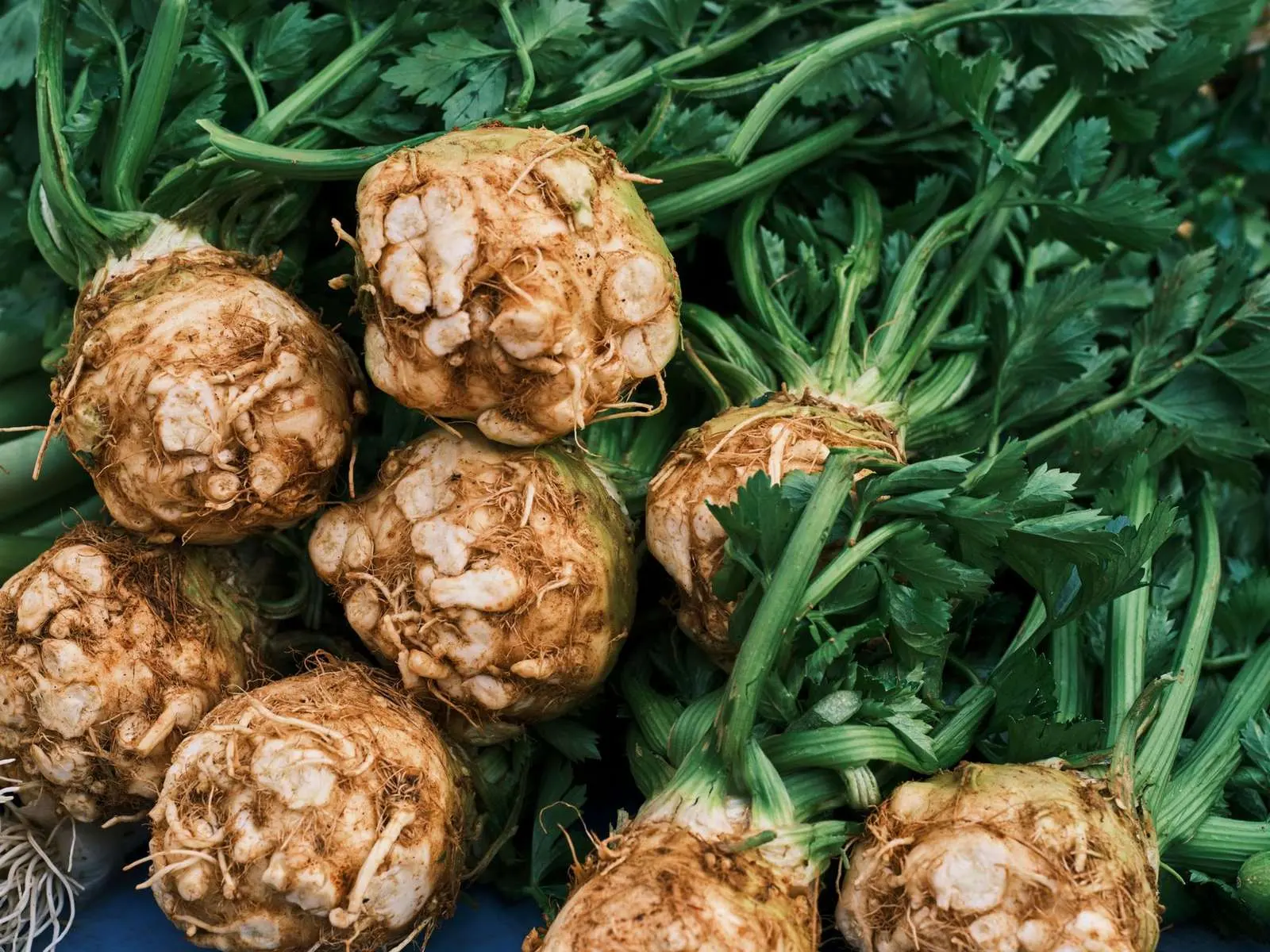
- celeriac and leeks
Leeks share this group, and the guide on how to grow leeks covers the growing side. Potatoes sit one step drier, in WSU’s cold and moist group at 80-90% humidity (WSU Extension).
Preparing roots before they go into storage
Roots keep best when they go in whole, lightly trimmed and dry. A single damaged specimen can spoil the rest of the supply, so sort first.
- Sort your roots and keep only those free from cuts, cracks, bruises or insect injury, as the Fairfax Master Gardeners advise. Eat the damaged ones first.
- Trim the tops, leaving about 2 cm (1 inch) of stem on carrots, parsnips and beets so they do not shrivel (University of Saskatchewan).
- Gently brush off excess soil instead of washing, because the same university notes that washing is better avoided.
- Spread the roots in a single layer on cardboard or newspaper in a cool, dry, dark place to dry for a day or two.
Choosing a storage spot
The target is even cold without freezing. The Fairfax Master Gardeners give the optimum for most vegetables as between 32 and 40 degrees Fahrenheit (Fairfax Gardening).
Measure first with a thermometer, because cold air is heavier than warm air and the floor can be colder than a high shelf (University of Saskatchewan). Keep roots away from heat ducts and hot water pipes (WSU Extension).
Common places to try:
- Unheated basement, cellar or root cellar: an unheated room that stays cool but does not freeze (University of Saskatchewan).
- Garage or shed: guard against rodents and check the temperature often so a sudden freeze does not catch you out (WSU Extension).
- Refrigerator: crisper drawers hold more moisture and suit root vegetables (University of Saskatchewan).
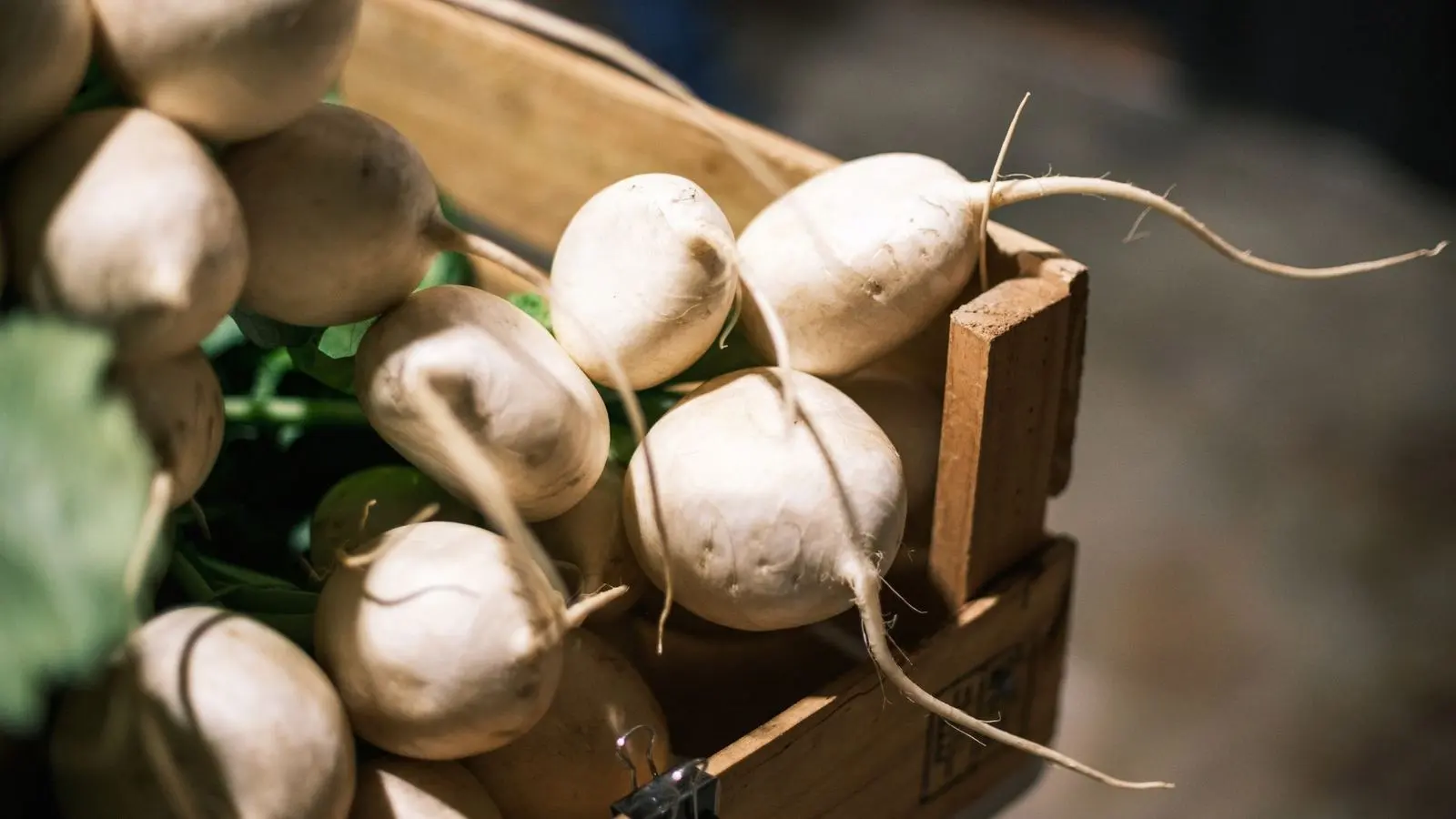
Humidity matters as much as temperature. Levels between 80 and 95 percent keep vegetables from drying out (Fairfax Gardening), and a pan of water or wet burlap sacks can add moisture to a dry room (WSU Extension).
An ordinary kitchen fridge is a weaker choice. WSU Extension calls home refrigerators cold and dry, at about 40 degrees F and 50-60% humidity, which is not ideal for most crops other than garlic and onions (WSU Extension).
How long each root keeps
Iowa State University Extension gives average storage lives for crops held in the right conditions (Iowa State). Treat them as a guide, not a promise.
- Carrots: 4 to 6 months. They wilt or shrivel when relative humidity falls below 95%.
- Beets: 1 to 3 months, in a humid spot at 95% relative humidity.
- Rutabagas: 2 to 4 months, with humidity of 90 to 95%.
- Turnips: 4 to 5 months, though they are prone to desiccation and harder to keep than other roots.
- Potatoes: 5 to 8 months. Cure them for two weeks at 50 to 60°F, then hold them at 40°F in the dark so they do not turn green.
Leaving roots in the ground or storing outdoors
The easiest option for beets, carrots, rutabagas, parsnips and turnips is to leave them in the ground into late fall and early winter. A heavy mulch of straw stops the soil freezing so you can dig as needed (WSU Extension).
Many people prefer the taste of frosted roots, which turn sweeter and milder. Wait until the ground is cold before mulching, because mulch over warm soil makes vegetables decay rapidly (UC ANR).
Carrots are damaged at about 25°F, so do not count on a thin cover in a hard freeze. In pits and mounds, all the produce should come out once the store is opened, and it then keeps 1 or 2 weeks at most (UC ANR).
For a wider view of what else keeps through the cold months, read the winter vegetables list.
Mistakes that spoil stored roots
- Storing roots near apples or pears. WSU Extension advises keeping apples and pears away from carrots, cabbage, potatoes, onions and celery, and notes that cabbage and carrots are often affected by ethylene (WSU Extension).
- Using sealed plastic bags. Unperforated bags often create too much humidity, which leads to condensation and mold or bacteria (WSU Extension).
- Letting carrots get warm. They will likely sprout or decay at 40°F or above (Iowa State).
- Keeping turnips indoors with the family. Their odor spreads through the house, so avoid a basement under living space (Fairfax Gardening).
- Packing mixed roots together. Separate them with mulch to prevent cross-transfer of odors (UC ANR).
Frequently asked questions
Should I wash root vegetables before storing them?
Show answer
Skip it if you can. The University of Saskatchewan warns that washing can damage the skin and lead to rot, so if you do rinse, make sure the roots are completely dry before they go away (source).
Can carrots be stored in the refrigerator?
Show answer
Yes, for small amounts. Iowa State suggests perforated plastic bags in the fridge, while large quantities can be buried in sand or sawdust in a cool, moist place (source).
Why have my stored potatoes turned sweet?
Show answer
Potatoes held below 40°F develop a sugary, sweet taste. Moving them to room temperature for a few days before cooking restores their natural flavor (source).
Can parsnips stay in the ground all winter?
Show answer
Often, yes. UC ANR says parsnips tolerate somewhat lower temperatures than carrots and actually improve in flavor with light freezing (source).