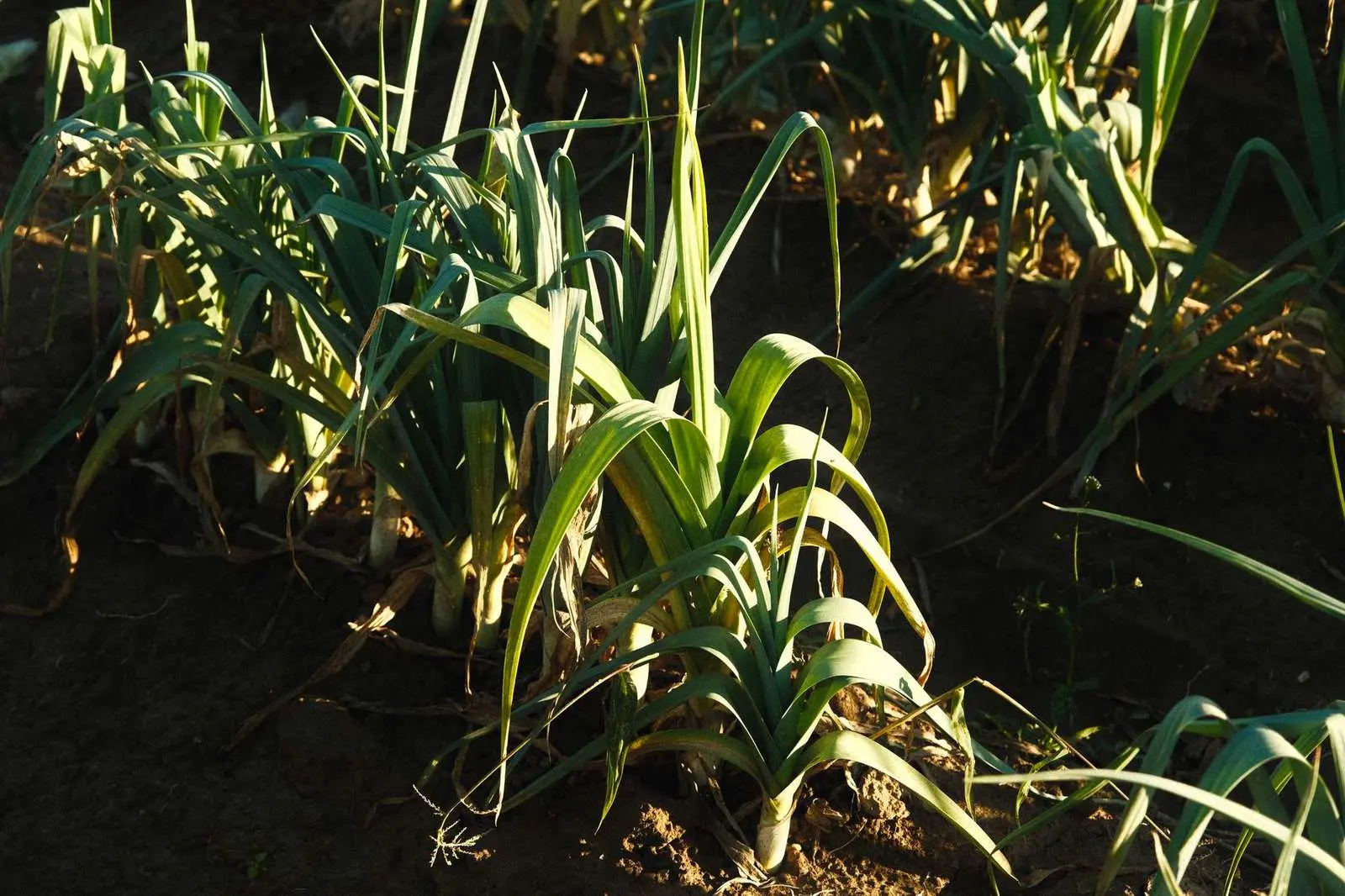
Wondering how to grow leeks without a fiddly routine? Sow in spring, transplant them deep, and harvest from autumn through winter. You’ll wait about six months, but the crop stands in the ground until you need it.
This guide sits within our wider look at seasonal vegetables, where leeks are a classic cold-season crop.
| Item | Value |
|---|---|
| Time to maturity from a spring sowing | About six months |
| Long-season varieties, time to harvest | 120 to 170 days |
| Short-season varieties, time to harvest | 50 to 120 days |
| Best growing temperature | 55° to 75°F (13-24°C) |
| Best soil pH | 6.0 to 6.8 |
| Compost or well-rotted manure | Two bucketfuls per square metre |
These figures come from the RHS leek guide and Harvest to Table. They can change, so check the sources before you rely on them.
Choosing leek varieties for your harvest window
Leek varieties differ in size, hardiness, disease resistance and timing. The RHS guide says early varieties can be lifted from late summer to autumn, mid-season varieties in winter, and late varieties into the following spring.
Harvest to Table sorts leeks into two groups. Long-season types take about 120 to 170 days to reach harvest, while short-season types mature in 50 to 120 days and are less hardy, according to its growing guide.
The RHS guide lists several recommended varieties, including:
- ‘Krypton’, which matures from December onwards from a spring sowing.
- ‘Stamford’, an early maturing, high yielding F1 hybrid.
- ‘Oarsman’, a British-bred F1 hybrid for winter harvests.
If leek rust has visited your plot before, the RHS advises choosing resistant varieties.
When should you sow leeks?
Leeks are slow, so they are usually started in a seedbed and moved later. The RHS describes a seedbed kept away from the main plot as the traditional place to start slow-growing crops such as leeks and cabbages, which keeps prime space free for fast crops.
For an earlier crop you can start indoors instead:
- From late winter onwards, sow seed on a windowsill or in a greenhouse.
- Plant the young leeks outside in mid- to late spring.
- If you sow outdoors, begin no later than mid-spring.
Those steps follow the RHS and Harvest to Table. The latter gives a frost-based schedule: sow indoors about 12 weeks before the last frost, then transplant when plants are 8 weeks old, about 4 weeks before the last frost.
Preparing the soil and transplanting
Good ground matters more than clever technique. Work through this list before planting:
- Pick a sunny, free-draining spot where leeks or other onion-family crops have not grown for at least a few years (RHS).
- Dig in two bucketfuls of compost or well-rotted manure per square metre (RHS).
- Aim for a soil pH of 6.0 to 6.8 (Harvest to Table).
- Go easy on nitrogen: too much favours leafy growth and can rob flavour.
- Loosen compacted soil, because the soft roots of leeks dislike it.
The main reason to transplant is depth. The RHS notes that transplanting lets you position leeks deeper in the soil, so they develop a long white base.
For trench planting, Harvest to Table suggests trenches 6 to 8 inches (15-20cm) deep and 4 to 6 inches (10-15cm) wide. Seedlings go at the bottom of the trench.
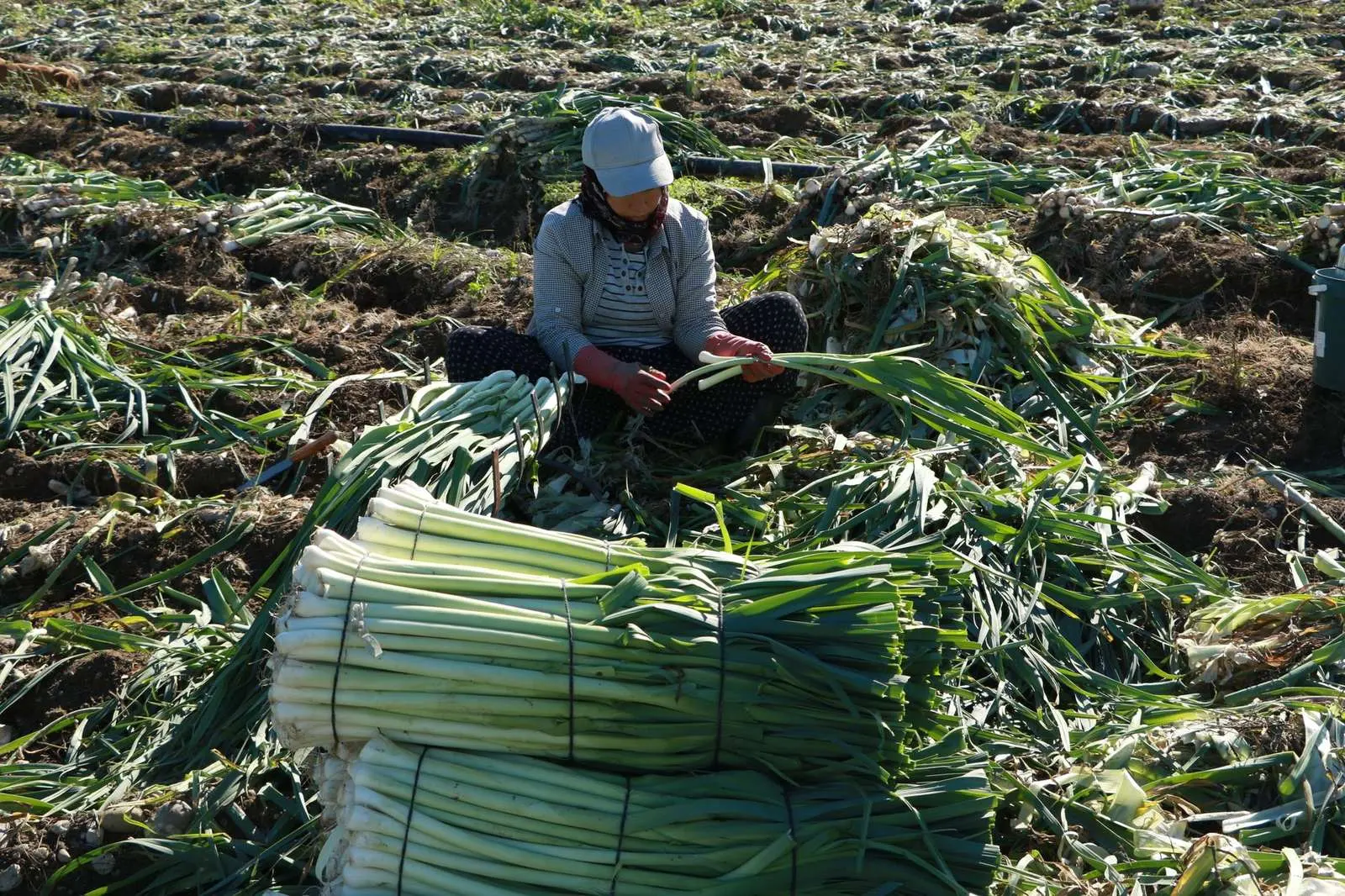
As the plants grow, backfill soil around them until the trench is filled. That gradual filling is what builds the pale, tender stem.
Blanching for long white stems
Blanching simply means excluding light from the lower stem. Harvest to Table describes three ways to do it:
- Trench planting, which makes the stems more tender and flavourful.
- Mounding up surrounding soil or mulch if leeks are in soil-level beds.
- Wrapping paper or plastic tubes around the stems.
Pick one method and stay with it for the whole bed. The guide treats trenches as the standard approach and the others as alternatives.
Harvesting leeks through the cold months
Leeks do not have to be lifted all at once. According to the RHS, hardy winter varieties can be left standing in the coldest weather without protection, ready whenever you want them, and the crop can also be picked young as tender baby leeks.
In snowy places, Harvest to Table says to cover mature leeks with 12 inches of dry leaves or straw and lift them as needed through winter.
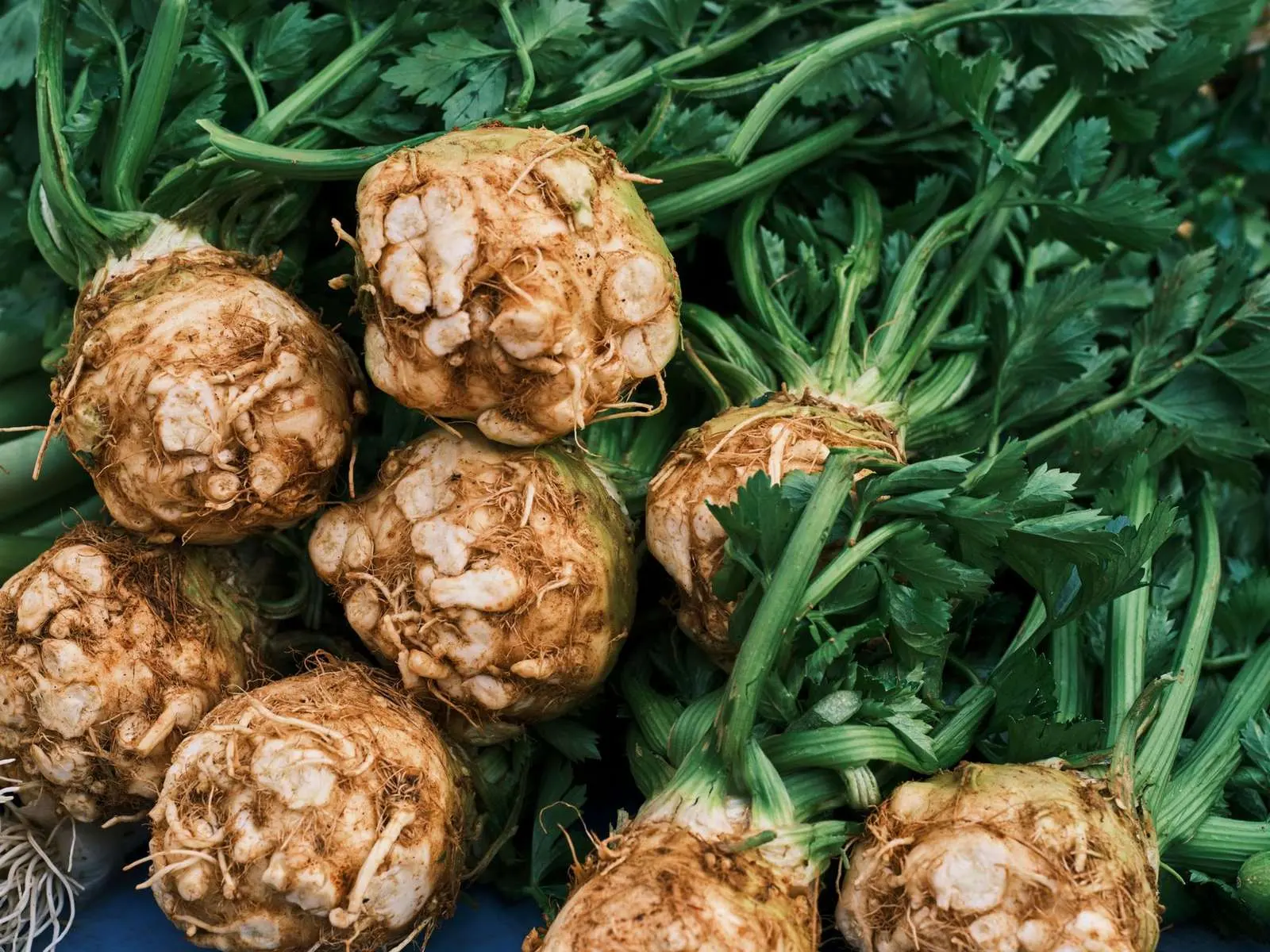
Once the leek bed is clear, the guide on how to store root vegetables covers keeping other crops from the same plot. If you are planning the rest of your beds, the page on what is celeriac introduces another vegetable to consider.
Frequently asked questions
How many leeks should you plant?
Show answer
Harvest to Table suggests 12 to 15 leeks per household member, which gives a steady supply without a glut.
How warm should the soil be for germination?
Show answer
Seeds sprout in soil at 65°F, but Harvest to Table puts the best range between 70° and 75°F.
Do leeks keep after picking?
Show answer
Not for long. The same guide says they last about a week in the refrigerator, so lift them as you need them.
Are leeks related to onions, and can you eat the leaves?
Show answer
Yes to both. Harvest to Table places leeks in the Allium family alongside onions, shallots, scallions and garlic, and says both the stalks and leaves are edible.