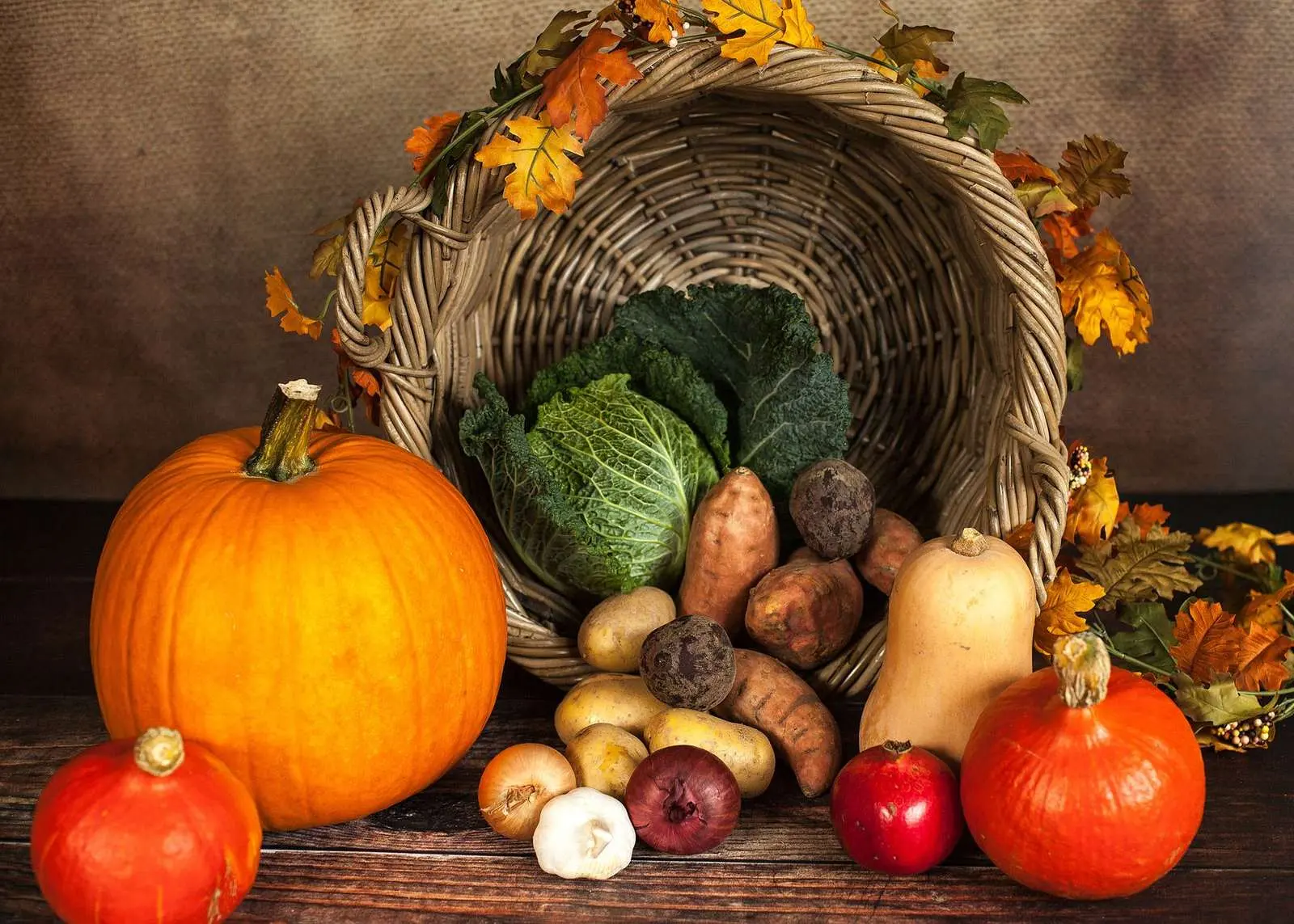
Standing in the produce aisle, unsure what is in season? This autumn vegetables list starts with squash, pumpkins, sweet potatoes, beets, Brussels sprouts, cabbage and kale. Choose what looks freshest.
For the bigger picture across the year, see the guide to seasonal vegetables.
| Item | Key fact |
|---|---|
| Autumn produce window (US magazine) | September through November |
| Sweet potatoes in season | September through November |
| Beets | Available through the year, at their best in the fall months |
| Pierced hard-skinned squash, microwaved | 3-5 minutes on high power |
| Pumpkin | One of the best sources of alpha-carotene and beta-carotene |
These figures come from American Lifestyle Magazine and Guiding Stars. Seasons and advice can change, so check the sources before you rely on them.
What is on the autumn vegetables list?
A US lifestyle magazine puts the autumn window at September through November and names Brussels sprouts, pumpkins, beets, sweet potatoes and turnips among the vegetables of the season, according to American Lifestyle Magazine. A South African gardening guide adds spinach, broccoli, cauliflower, cabbage, carrots, squash and kale, as SA Garden and Home describes.
Put together, the sources point to these groups:
- Squash and pumpkins: butternut, acorn, delicata, hubbard and pumpkin.
- Roots: beets, turnips, carrots and sweet potatoes.
- Brassicas: Brussels sprouts, cabbage, broccoli, cauliflower and kale.
- Leafy greens: spinach, kale, chard and collard greens.
Seasons overlap, so the summer vegetables list and the winter vegetables list are useful neighbours if you plan meals across the year.
Squash and pumpkins
Squash and pumpkins are probably the image most people have of autumn, and the garden guide from SA Garden and Home calls autumn the prime time for harvesting them. The magazine guide notes that pumpkin is a member of the squash family and one of the best sources of alpha-carotene and beta-carotene.
Hard-skinned squash can be awkward to cut. Guiding Stars suggests piercing the skin with a sharp knife in a few places so steam can escape, then microwaving for 3-5 minutes on high power.
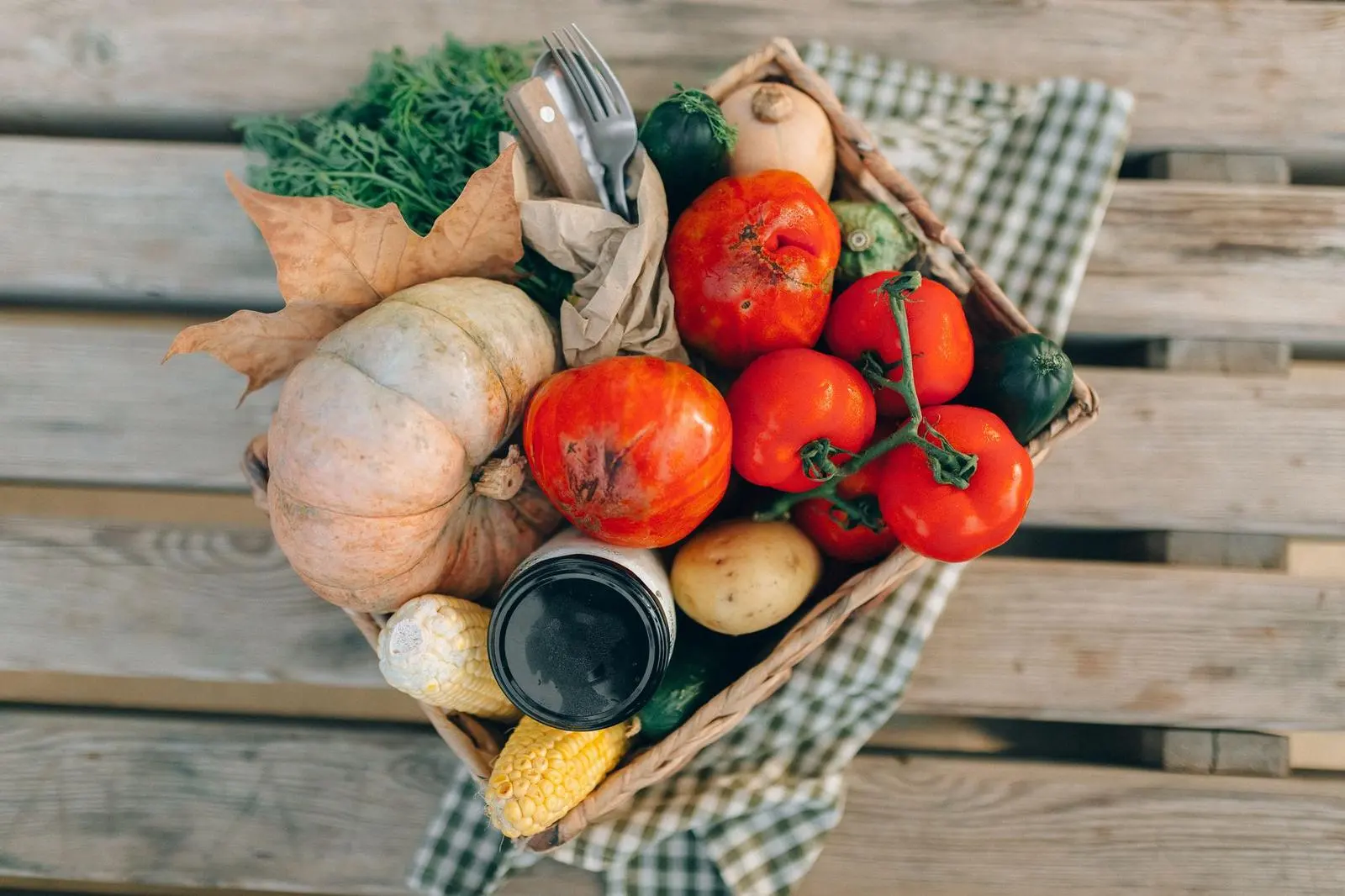
Very large types are easier to buy in portions. The same source says giant hubbard squash is often sold in pieces because it is so huge.
Cooking times differ widely between types, so look for a recipe written for the exact squash you have.
Brassicas, greens and roots
Brassicas such as broccoli, cauliflower and cabbage prefer cooler temperatures, which the gardening guide links to sweeter and more tender harvests. The cruciferous group is wide: cabbages (red, green, savoy, Napa), kale, Brussels sprouts, collard greens, arugula, bok choy, cauliflower, broccoli, watercress and radishes, per Guiding Stars.
Some practical notes on each type:
- Kale: a cut-and-come-again crop, so picking a few leaves from each plant and leaving the top rosette gives many pickings through autumn and winter.
- Spinach: the same guide pictures picking leaves until the first hard frost.
- Carrots: described as root plants perfect for autumn harvests.
- Cabbage and bok choy: Guiding Stars calls them low in calories, high in fiber and versatile in soups and stir-fries.
Beets, sweet potatoes and turnips fill out the root side. The magazine guide calls turnips a delicious and nutritious root vegetable in season during the fall.
How do you choose autumn vegetables?
For beets, look for bunches that still have their leaves attached, which the magazine guide gives as a good indicator of freshness. Beets are sold through the year, but the same page says they are at their best in the fall months.
Brussels sprouts are often sold on the stalk at fall produce stands, so that is a sensible place to look for them. Sweet potatoes are in season from September through November, according to that source.
If one vegetable does not appeal, Guiding Stars says another fall option will probably offer similar nutritional benefits. Sweet potato, for instance, is listed as an alternative for people who do not like winter squash.
Why eat seasonally?
According to Guiding Stars, seasonal food can be more nutritious and tastes better because it is fresher. The same article adds that locally grown produce is often less expensive and may bring more organic or sustainable options.
Availability depends on where you live and on local growing conditions, so a nearby market is the best guide to what is ready.
Frequently asked questions
Which root vegetables are in season in autumn?
Show answer
Beets, turnips, carrots and sweet potatoes all appear in the sources used here, and the magazine guide lists the first, second and fourth as fall produce.
Can you eat autumn brassicas raw?
Show answer
Many can be eaten either way. Guiding Stars says arugula and watercress are the ones most often eaten raw, while cabbage and similar vegetables suit soups, stir-fries and casseroles.
Are the autumn months the same everywhere?
Show answer
No. The window quoted in the table comes from a US magazine, and growers in other regions harvest on their own calendars. Check what local markets are selling.
Is pumpkin a vegetable?
Show answer
The magazine guide describes pumpkin as a vegetable and a member of the squash family.