If you’re asking winter vegetable garden what to plant, start with hardy crops like kale, spinach, carrots and garlic. You sow most of them in late summer, counting back from your first frost date.
This guide is one part of the site’s wider coverage of seasonal vegetables.
| Item | Value |
|---|---|
| Short-day factor to add when counting back from harvest | 14 days |
| Daylight below which plant growth largely ceases | 10 hours per day |
| Temperature that kills hardy vegetables left unprotected | near 20°F |
| Soil temperature above which lettuce and spinach seed struggles (Maryland) | 70°F |
| Days to maturity in the beet planting example | 55 days |
The figures come from University of Maryland Extension and Nebraska Extension. Frost dates and daylight vary by place and guidance gets updated, so check the sources before you rely on them.
Which crops suit a winter vegetable garden?
Go with cool-season crops. Nebraska Extension says most of them grow as well as, or better than, spring plantings because they mature in cooler weather. It adds that the flavor is often sweeter and milder.
Extension services sort crops by how much cold they take. Nebraska Extension calls these hardy crops, which stand several frosts but are killed when temperatures drop near 20°F unless protected by a high tunnel, low tunnel, greenhouse, coldframe or similar:
- Broccoli, Brussels sprouts and cabbage
- Carrots and cauliflower
- Kale and kohlrabi
- Rutabagas and turnips
The same source lists semi-hardy crops, which tolerate light frost: beets, Chinese cabbage, collards, green onions, mustard greens, potatoes, radishes, spinach, Swiss chard and lettuce.
Groupings differ between sources. Maryland Extension counts lettuce among its hardy crops and carrot and cauliflower among its half-hardy ones, the reverse of Nebraska’s grouping, so check your own local extension service.
Alliums work on a different clock. Maryland Extension says garlic, shallot and multiplier onion can be planted in October for harvest the following spring or summer, and a Georgia extension office says garlic can go in up to November.
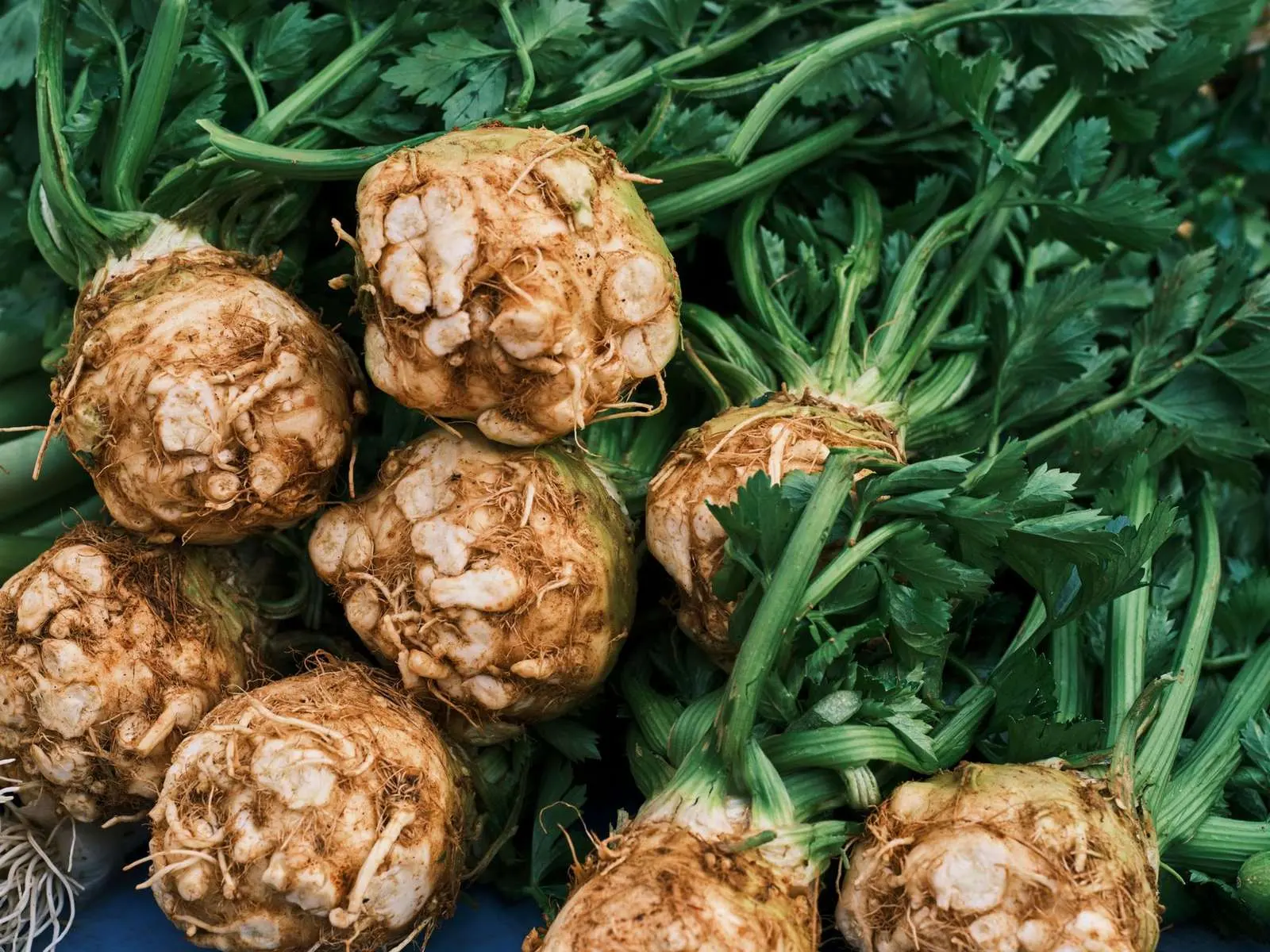
If you want a root crop beyond the usual carrots and turnips, the guide on what is celeriac covers one more to consider.
Working out when to sow
The standard method is to count backward from the first killing frost. Alabama Extension advises finding your average first frost date and counting back using each crop’s days to maturity.
Nebraska Extension turns that into a short routine:
- Add the days to harvest on the seed packet to the days you expect to spend harvesting, as Nebraska Extension describes.
- For crops that dislike cold, add 10-14 days as a cushion against an early frost (Nebraska Extension).
- Add another 10-14 days for the fall factor, because plants slow down as days shorten (Nebraska Extension).
- Count back from your frost date to get a sowing date.
Maryland Extension uses a fixed Short-Day Factor of two weeks, or 14 days, added to the packet figure. Say you want beets from mid-October and the packet says 55 days to maturity: subtract 55 days, then 14 days, and you plant around August 7 (Maryland Extension).
Starting late is the usual mistake. Maryland Extension notes that fall crops often fail because they are planted too late.
Regional windows vary. Nebraska Extension says planting usually starts in July and continues through August, while Alabama Extension names August and September as the main months and suggests sowing about 2 weeks earlier in the north of the state.
Why daylight matters as much as cold
Growers talk about the Persephone period. Nebraska Extension defines it as the winter time when daylight falls below 10 hours per day, and says plant growth largely ceases then.
Where it falls depends on latitude. Maryland Extension puts it at about mid-November through late January for that state.
Nebraska Extension builds its planning advice around that window:
- For a late fall harvest, seed so plants are mature and ready before the period starts.
- For a late winter or spring harvest, aim for maturity or near maturity by then.
- Mature crops stay dormant in the cold ground and can be harvested through winter.
- Near-mature crops stay dormant too, then finish growing when longer days return in February or March.
Another option is to start transplants of cool-season crops indoors, then move them into a protected structure just after the period ends, for a head start on spring (Nebraska Extension).
Protecting crops through the cold
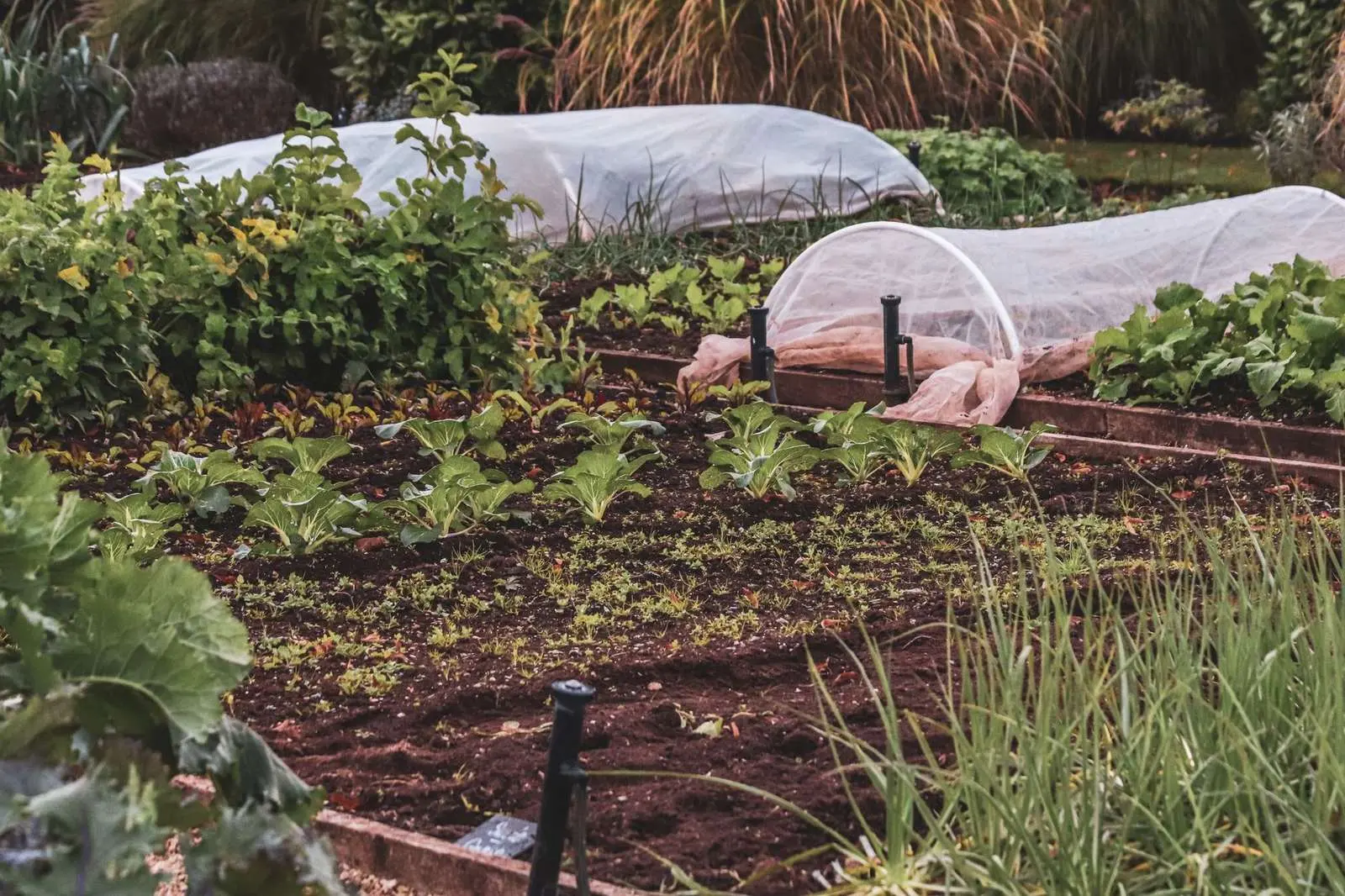
A row cover is the simplest upgrade. The Georgia extension post says a simple row cover can make all the difference between January harvests and mush.
The same post says kale, cabbage, broccoli and spinach can easily survive winter without protection, while arugula, leeks and lettuce often die when unprotected in extreme cold. It also warns that winter is a very active time for slugs.
The Organic Growers School says the main aim of row covers and cold frames is to stop crops drying out in cold, dry winds and to let them warm more gradually after a cold night.
A few practical habits from Maryland Extension:
- Cover beet, turnip and carrot beds with insulating mulch to keep harvesting through December.
- Move row cover aside on mild winter days for better light and air circulation.
- Watch low tunnels closely on sunny days, because the temperature must be monitored to prevent heat build-up.
- Use compost and organic fertilizers sparingly on protected leafy greens harvested from December through February.
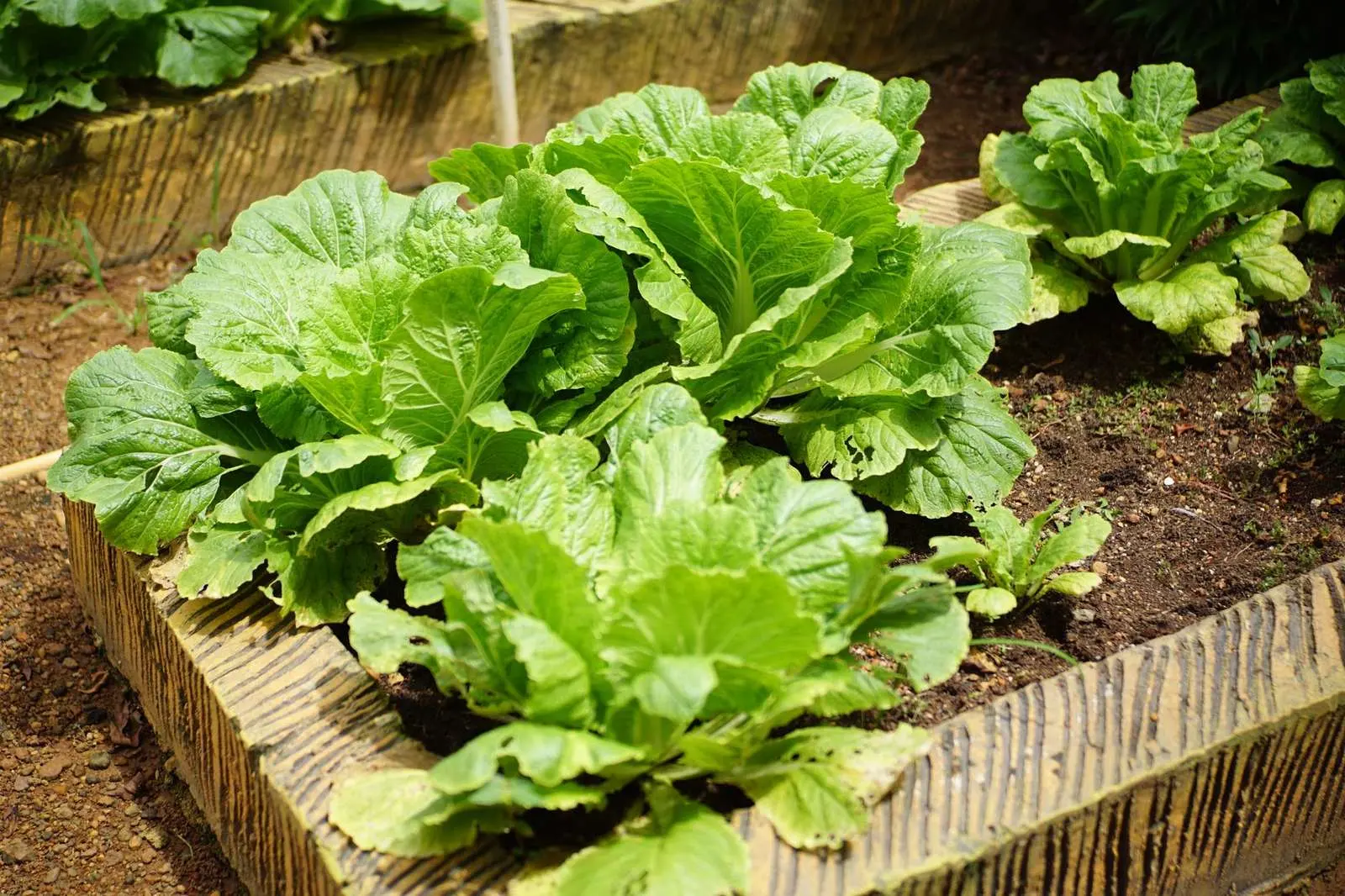
Preparing the bed and caring for plants
Fall vegetables do much better in soil that has been prepared and left to settle for one or two weeks, according to Nebraska Extension. Rotate crops too: do not put fall cabbage where spring cabbage grew.
The same source gives a short checklist for warm late-summer beds:
- Remove all old vegetation from the spring crop.
- Prepare a shallow, firm seed bed.
- Soak seeds overnight, then sow slightly deeper than you would in spring.
- Thin once plants are established and add mulch.
Most vegetables need about 1 inch of water per week, and Alabama Extension prefers one deep watering to frequent shallow ones. It also notes that insects and diseases are often more abundant in fall because their numbers build up over spring and summer.
When the cold season ends, the spring vegetables list picks up what to sow next.
Frequently asked questions
Is it too late to start a winter garden in autumn?
Show answer
Often yes for most crops. A Georgia extension office calls September the last call for most fall vegetables, says growth slows considerably in October and nearly stops by November, and suggests a leafy green or garlic if you start late.
Do frosts really make vegetables sweeter?
Show answer
According to Maryland Extension, frosts raise the sugar content and improve the flavor of many cool-season crops. The starch-to-sugar conversion also makes the plant more cold-hardy.
Which crops can I sow more than once?
Show answer
Fast growers such as looseleaf lettuce, radish, arugula, mizuna and tatsoi can be sown several times from late August through late September for a continuous harvest, says Maryland Extension.
Why won’t lettuce or spinach seed sprout in hot soil?
Show answer
Warm soil blocks germination. Alabama Extension says the seed will not germinate if soil exceeds 85 degrees F, so keep the bed moist and wait for summer heat to ease.