Wondering what to buy at the market this season? Your spring vegetables list starts with asparagus, peas, spinach and radishes, then widens to kale, beets and new potatoes as the weather warms.
This page sits within the wider topic of seasonal vegetables, which follows produce through the year.
| Item | Value |
|---|---|
| Spinach, season in Wisconsin | Spring and fall |
| Asparagus, season in Wisconsin | Mid to late spring |
| Peas, season in Wisconsin | Late May through July |
| Spinach, time to harvest | About 30 days |
| Radishes, time to harvest | About three weeks |
| Broccoli, seed to harvest | About 120 days |
The seasons come from a University of Wisconsin Extension spring vegetables sheet and the timings from a Food Gardening Network planting guide. Dates change with place and weather, so check the sources before you rely on them.
What is on a spring vegetables list?
Spring produce is mostly made up of cool-tolerant crops: leaves, shoots and roots that cope with chilly soil. RFD-TV’s spring produce guide describes the choices as running from wild onions and dandelions to baby lettuces, asparagus, radishes and peas, and calls them nearly endless (RFD-TV).
The same RFD-TV guide names the vegetables below, which are grouped here by the part you eat. Chives, mushrooms and ramps are marked there as foraged rather than farmed.
- Leaves and herbs: arugula, lettuces, spinach, kale, collards, Swiss chard, watercress, herbs, dandelions and other edible flowers.
- Stems and shoots: asparagus, celery, fennel, rhubarb, pea tendrils and sprouts.
- Roots and bulbs: beets, carrots, radishes, turnips, new potatoes, onions and green garlic.
- Brassicas: broccoli, cauliflower and cabbages.
- Foraged: chives, mushrooms and ramps.
That list comes from a US source, and seasons shift with climate. The Wisconsin dates used later on this page are one worked example, not a universal calendar.
Asparagus, spinach and rhubarb: the first arrivals
Spinach is a cool-weather leaf. The University of Wisconsin Extension sheet says it is available in spring and fall in Wisconsin, and describes it as a close relative of Swiss chard and beets that can be eaten raw or cooked (UW Extension).
The Food Gardening Network adds that spinach dislikes hot weather and suits spring and late summer into fall, and that it can be ready in about 30 days (Food Gardening Network).
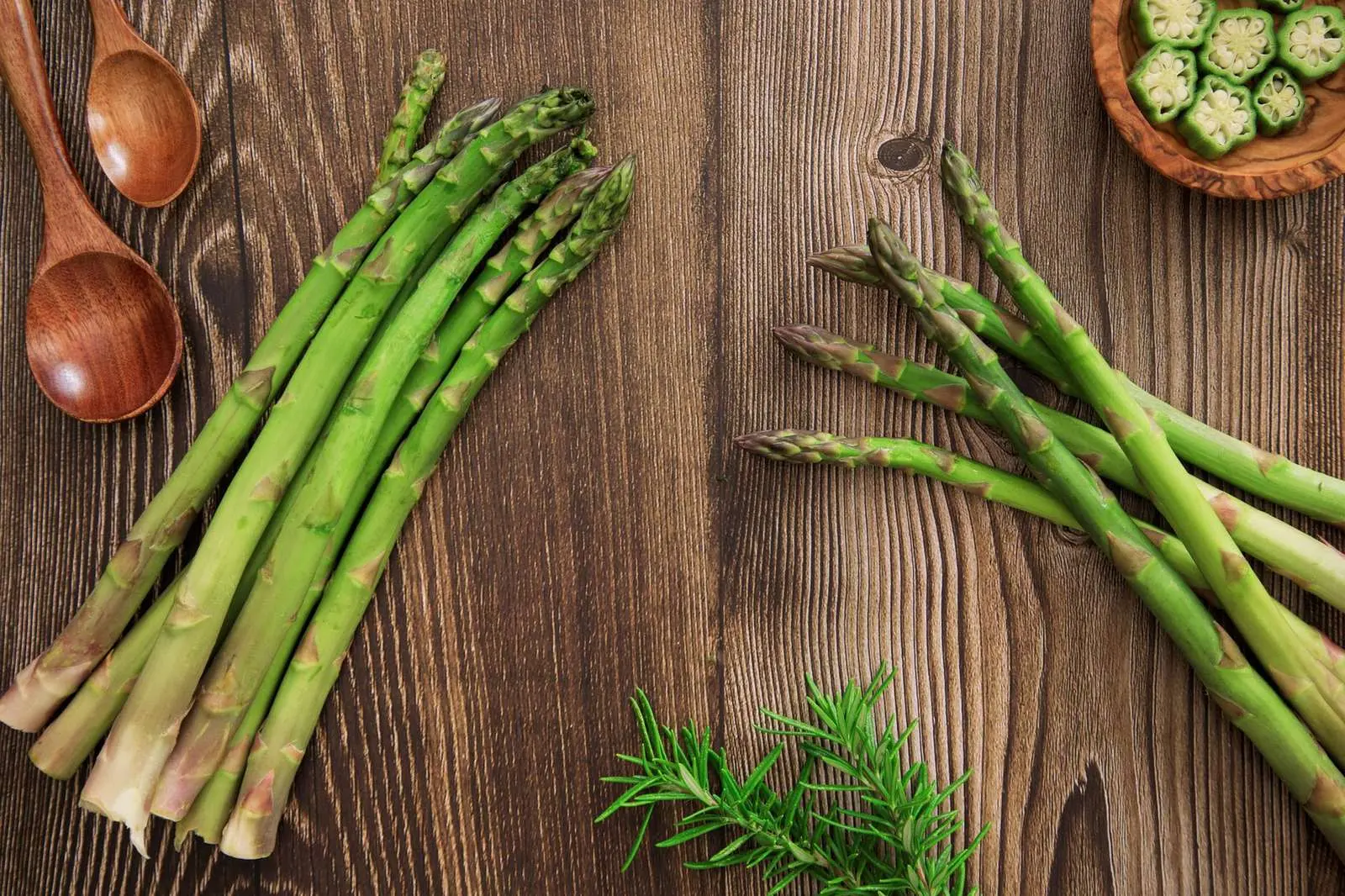
Asparagus arrives in mid to late spring in Wisconsin, according to the UW Extension sheet. Spears come in other colours as well:
- Purple asparagus is nutty-flavored, more tender than green and has 20% more sugar.
- White asparagus is not its own variety; it is grown in the absence of light.
To cook spears, snap off the base and steam them for 3-5 minutes in a covered pot or a skillet of lightly salted water (UW Extension).
Both asparagus and rhubarb are perennials. The Food Gardening Network says asparagus comes back for many years once planted, and rhubarb can live for at least ten years.
Peas, radishes and other quick spring crops
Peas arrive later than asparagus: they are available from late May through July in Wisconsin. The UW Extension sheet separates three kinds:
- Garden peas have a tough pod, and the seeds are typically shelled before eating.
- Snow peas have edible pods and are harvested before the seeds are mature.
- Sugar snap peas are also edible-pod peas, a cross between garden peas and snow peas.
Peas do poorly in very hot weather, so the Food Gardening Network prefers planting them in spring and late summer, which can give two rounds of pea harvests.
Several other crops reward impatient cooks and gardeners, according to the same guide:
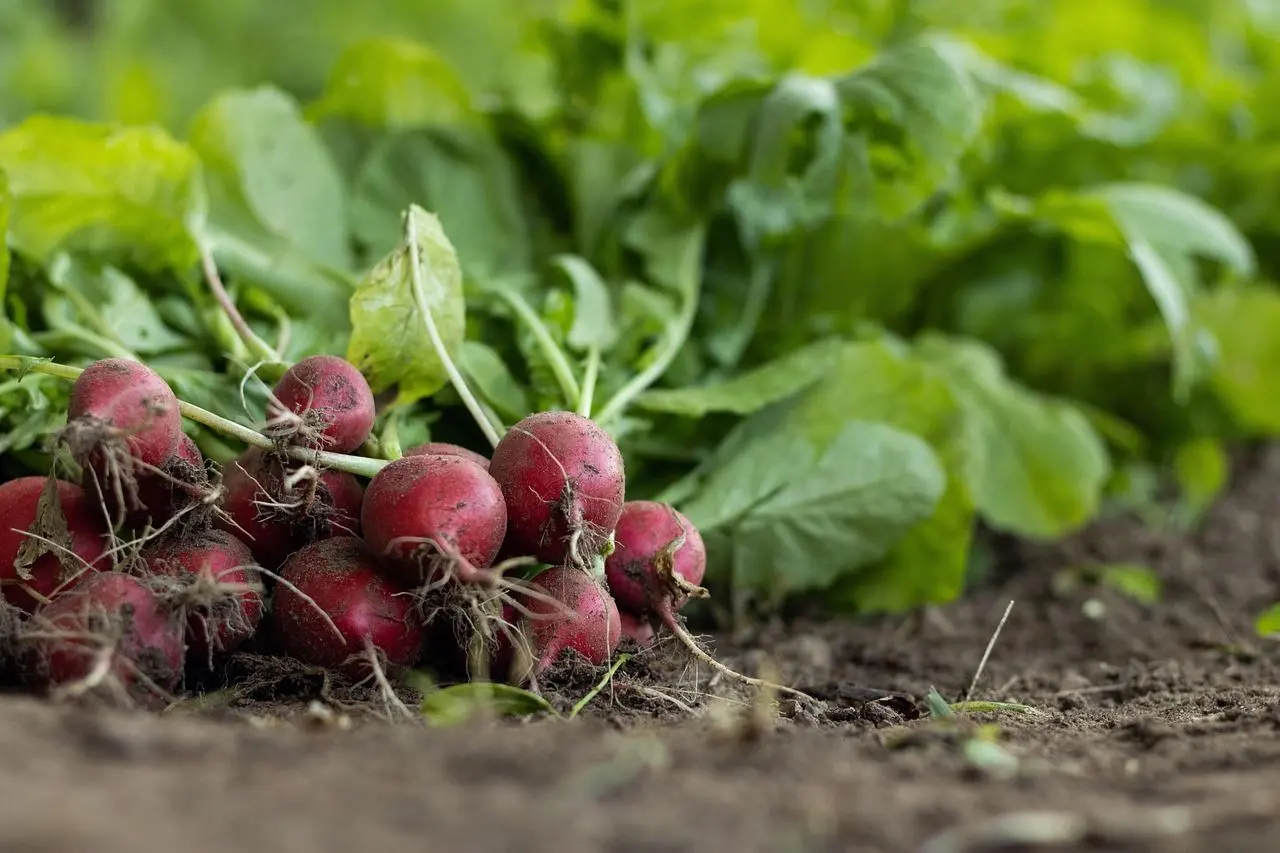
- Radishes can be ready in three weeks.
- Kale prefers cooler temperatures and sprouts in five to eight days.
- Beets can be sown again every two to three weeks through spring, until the days turn warm.
- Potatoes can go into the ground as soon as the soil is workable.
How long do spring crops take to grow?
Timing matters if you are planning a plot rather than a shopping trip. These figures come from the Food Gardening Network guide:
- Spinach is ready in about 30 days.
- Cauliflower is ready to harvest in about 2 months.
- Broccoli takes about 120 days from seed to harvest, and that time is cut in half when you start from transplants.
- Asparagus grown from seed means waiting a year before you can harvest.
The quick crops explain why spring markets feel busy early, while slower brassicas and perennials arrive later.
Buying and storing spring vegetables
The UW Extension sheet gives simple buying cues:
- For spinach, select small leaves with a bright, deep green color and avoid yellow ones.
- For asparagus, select spears that are firm yet tender and brightly colored.
- For snow peas, look for pods that are flat and shiny.
Once home, wrap asparagus in a damp cloth and keep it in the refrigerator. Peas go in a perforated plastic bag in the refrigerator and are best used within 5 days of harvest (UW Extension).
Where spring ends and the seasons around it
Peas running into July show how spring and summer overlap. For the crops that follow, read the summer vegetables list.
If you are planning for the opposite end of the year, the notes on winter vegetable garden what to plant cover the colder months.
Frequently asked questions
Which vegetables count as spring vegetables?
Show answer
Mostly crops that handle cool conditions, such as spinach, kale and peas. The Food Gardening Network recommends sowing all three in spring (source).
Do all spring vegetables ripen together?
Show answer
No. In Wisconsin, asparagus comes in before peas, and the pea season carries on well after asparagus has finished. Timing also moves with local climate (UW Extension).
Can you freeze spring peas?
Show answer
You can, but they lose their crunch once thawed. If you freeze garden peas, take them out of the pod first (UW Extension).
Should peas be started indoors and transplanted?
Show answer
The Food Gardening Network advises against it, because peas resent being moved. Sowing them straight into the garden is its recommended route (Food Gardening Network).