
forcnet.org is a small publication that describes itself as a hub for networking, connectivity and sustainability, under the line “Connecting the Dots in Digital Transformation”. The deeper question, covered below, is how closely its articles follow that promise, because many of them wander into general business topics.
| What is it? | An article site, per its own “Who We Are” text |
| Stated focus | Networking essentials, sustainable practices, digital transformation |
| Main menu | Home, Connection Hub, Networking Essentials, Sustainable Practices, About, Contact |
| Named writer on the hub posts | Charles Keough |
| Other pages | Our Picks, Privacy Policy, Terms and Conditions |
| Company or address stated | None on the pages read |
What does forcnet say it is for?
The home page reads like a mission statement: it invites readers to explore networking essentials, sustainable practices and innovative strategies for “a smarter, greener future”. The Who We Are block welcomes visitors to Forcnet as a go-to hub for articles and advice on networking, connectivity and sustainability, with tools, tips and trends for optimising infrastructure or exploring green technology.
Typing www forcnet.org takes you to that page. The About and Contact pages sit in the menu, and a “Have questions or just want to say hello?” block repeats the invitation to get in touch.
How does the Connection Hub section work on forcnet.org/?
The Connection Hub is the busiest section from the home page at forcnet.org/. A small group of articles in it carries the byline Charles Keough, and the headlines share a template: “Optimizing Digital Infrastructure for…” or “Leveraging Digital Infrastructure for…” followed by an industry. The industries named include startups, competitive eSports and gaming platforms, and finance platforms. A further post is about turning every customer interaction into a meaningful connection.
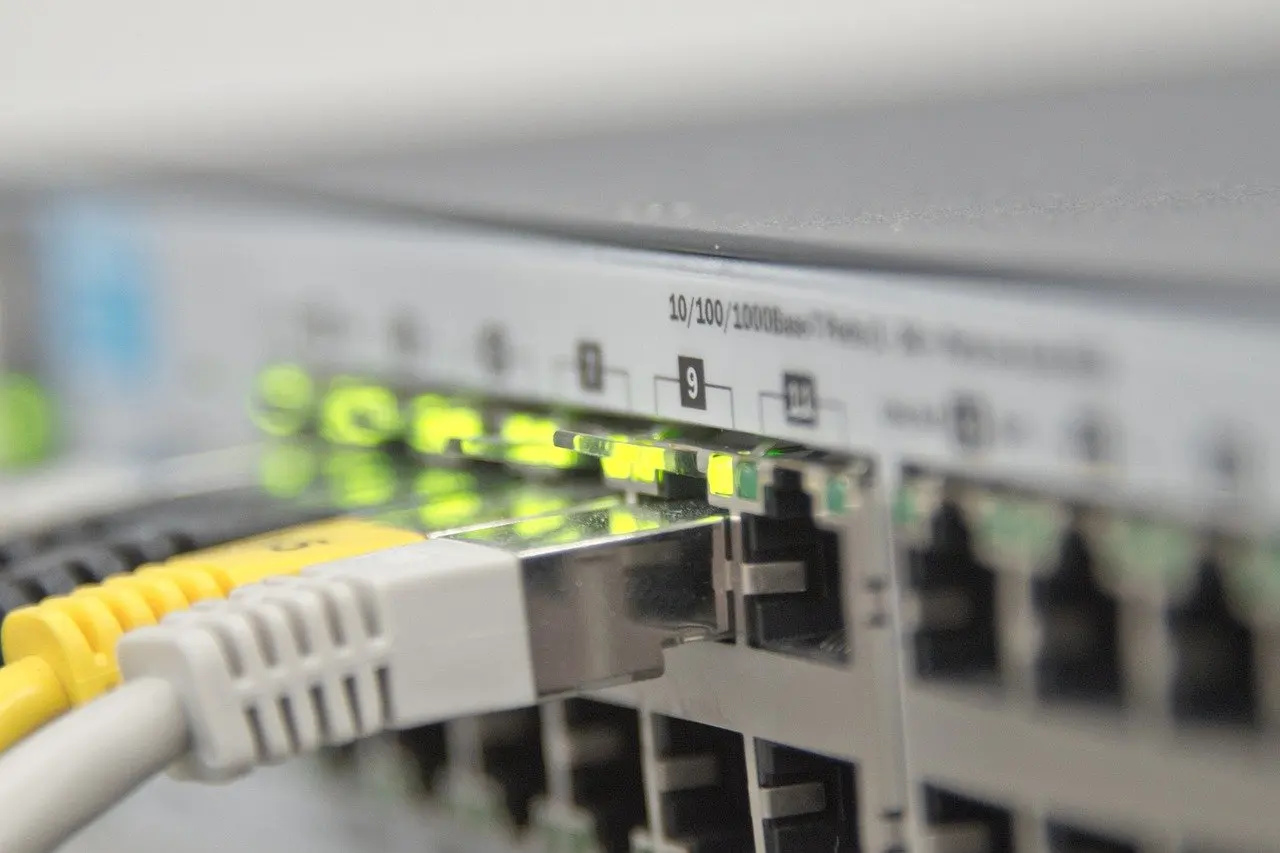
That repeated frame is the clearest editorial pattern on the site. It means one idea, infrastructure, is applied to many sectors, which can read as practical or as formulaic depending on what you want from it.
Do the forcnet picks match its networking and sustainability promise?
Only partly. The Editor’s Pick strip includes advice for content creators on finding fresh ideas, a post about scaling multi-channel campaigns with an AI tool, one on cutting business energy costs and consumption, one on customer connection, and a piece about builders of accessory dwelling units. The energy article fits the sustainability theme. The AI campaign and content-creator posts sit closer to marketing than networking.
The navigation also lists posts on subjects with little to do with either theme. Those, including some on betting-style topics, are why the research notes flag the site for caution, and they are not described further here.
Who runs forcnet.org and how do you reach them?
No owner, company or postal address appears in the text collected. The Contact page exists, and so does a cookie consent banner offering necessary, functional, analytics, performance and advertisement categories, which tells you the site uses tracking unless you decline.
Charles Keough is the only named contributor, and the site does not give a biography. If you need to ask a question, use the Contact link and state which article you mean. Do not send sensitive documents to a site that does not name who receives them.
How useful are the forcnet articles for someone planning real work?
The infrastructure headlines promise practical advice, so a fair test is whether a reader could act on one. From the titles alone, each piece looks aimed at decision-makers in a given sector and framed around scaling, performance and customer experience. The pages read do not show named case studies, vendor comparisons or numbers that a reader could check.
That makes the posts best suited to orientation: a list of topics to ask an engineer or consultant about, not a design to copy. Home networks, office wiring, data centre capacity and energy upgrades all depend on local conditions, codes and budgets that a general article cannot know.
The energy piece is a good example. A headline about cutting both costs and consumption sounds simple, yet the right move depends on a building’s age, tariff and equipment. Treat each article as a prompt for questions to put to a professional, and keep a note of the date you read it.
What is the f orcnet.org spelling about?
Some searchers type f orcnet.org with a space inside the name, which is easy to do on a phone keyboard or when copying a spoken link. It leads to the same site as forcnet.org, and the address is only valid without the gap. If an email or message gives you the version with the space, retype it carefully rather than clicking, since look-alike addresses are a common route to fake pages.
A calm check: type the domain yourself, look for the padlock, and see whether the home page shows the Connecting the Dots banner described above.
Questions about forcnet and what it publishes
Is forcnet.org a company that sells networking services?
Nothing on the pages read offers services, quotes or a store. It presents articles only.
Can the articles be treated as professional advice?
They are general commentary. For network design, energy upgrades or building work, ask a qualified professional and check local rules.
What does the Sustainable Practices tab cover?
The tab name promises green topics, and the home page ties it to a greener future. The text read does not list the posts inside it, so open the tab to see what is actually filed there.
How often is it updated?
The pages read show no dates, so the update rhythm is unclear. Open an individual post and look for a date or ask through the Contact page.
Is it affiliated with a larger organisation?
The site does not say. The .org ending is open to anyone and is not proof of a non-profit status.